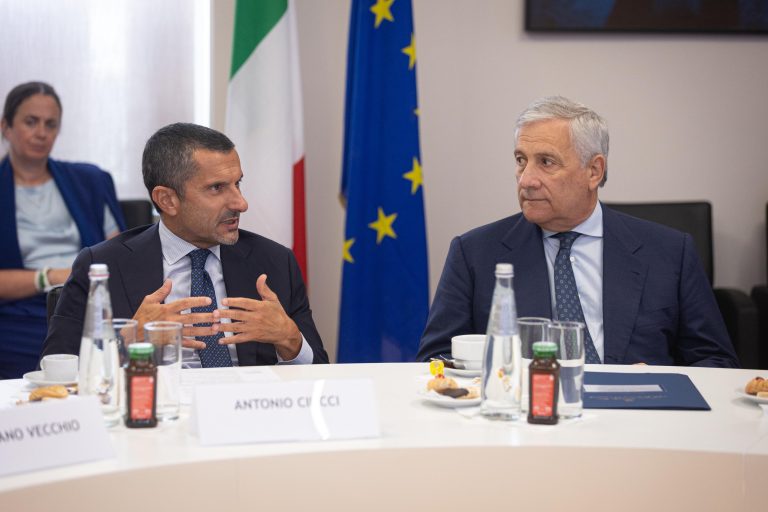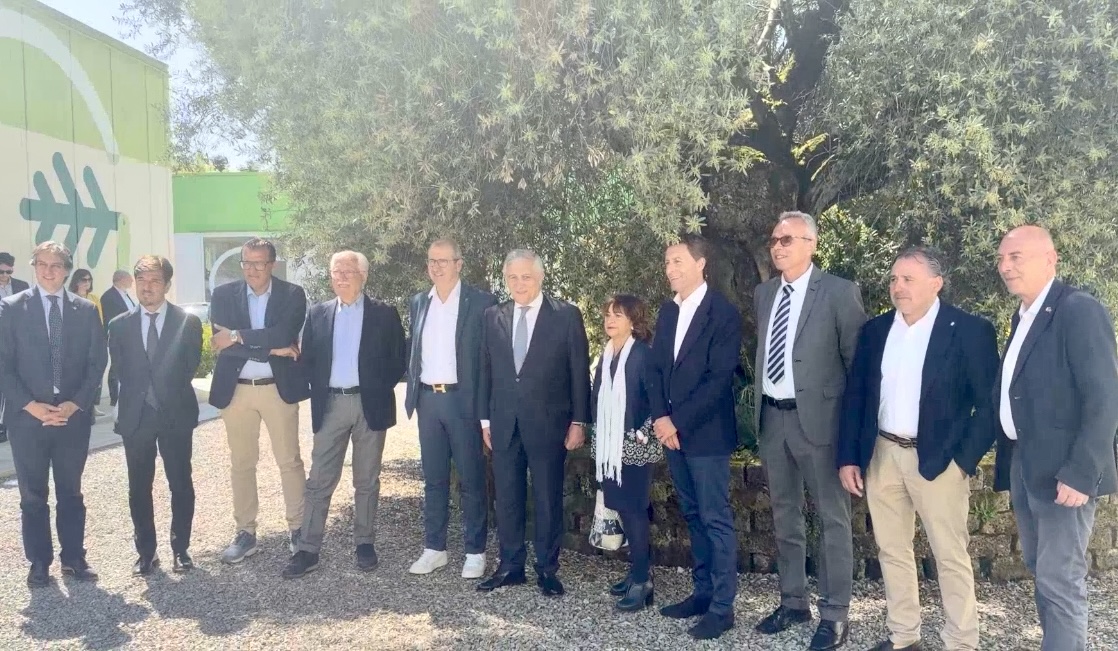
Foreign Minister Antonio Tajani met today in Pistoia with associations representing the Tuscan nursery sector, an excellence of the national production system and a key component of Italian exports. The sector boasts over 17,000 active companies in Italy, with a total turnover of €3.25 billion in 2024.
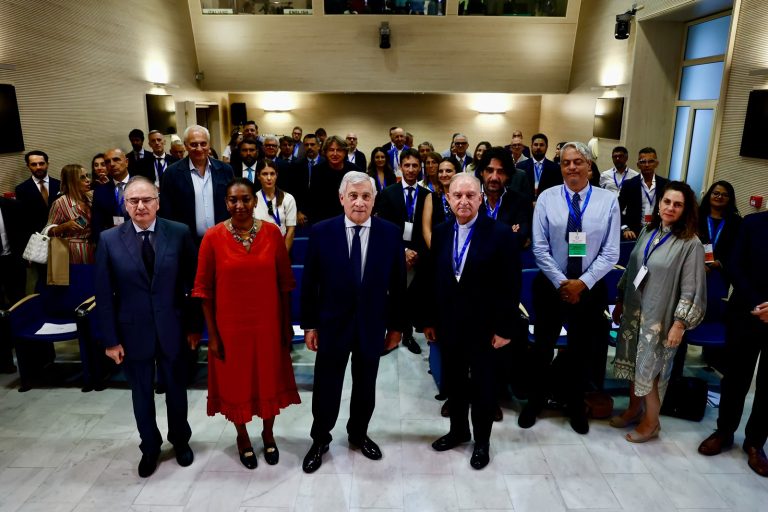
In Pistoia, Minister Tajani visited the Ornamental Nursery Rural District, hosted by the Italian Nursery Association, at the GEA park. The visit provided an opportunity to explore the role of Italian ornamental nursery production, recognized as one of Europe’s leading producers and a strategic sector for the national economy. The Pistoia District is one of Europe’s major production hubs, with approximately 1,500 companies, over 3,500 hectares of cultivated land, and a strong international presence reaching more than 60 countries – a context in which Italy is Europe’s second-largest nursery market and Tuscany accounts for over 40% of national production.
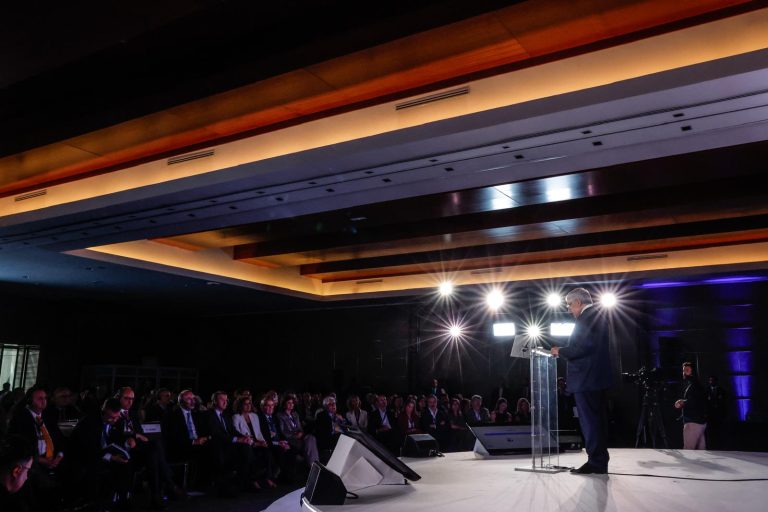
During the meeting, Minister Tajani highlighted the sector’s strong international vocation: “Italy exports its greenery, its love of nature, to the world: compared to the previous year, exports increased by 5.1% in 2024. Today, the Gulf crisis and the Hormuz blockade are damaging Italian nurseries, too, especially considering the energy and fertilizer sectors. This is the reason why Italy is working ever more vigorously for peace.”
Minister Tajani also emphasized the role of international exhibitions, such as the 2027 Yokohama Horticultural Expo, as important opportunities to strengthen the promotion of Italian nurseries and further support exports, enhancing the sector’s quality and innovation in global markets.
Industry representatives spoke on the sidelines of the visit. Vannino Vannucci, President of the Italian Nursery Association, emphasized that “Minister Tajani’s presence is an important recognition for a sector that is both agricultural and cultural. The Italian nursery sector has all the characteristics to be an ambassador of Made in Italy worldwide, but, in view of fully exploiting this potential, concrete tools are needed to strengthen the international competitiveness of companies and reduce bureaucratic and commercial obstacles.”