The common thread of food across the two missions of University of Catania
Azerbaijan, nestled among the mountains of the Caucasus, and Iraq, crossed by the two great rivers that shaped the history of ancient Mesopotamia – the Tigris and the Euphrates –, may appear as two very distant worlds. Yet the archaeological missions of the University of Catania at the sites of Tava Tepe and Tell Muhammad share a significant common thread: the study of the production and sharing of food and drink during the 2nd millennium BCE.
Tava Tepe, a complex built for the sharing of food and resources between the Bronze Age and the Iron Age
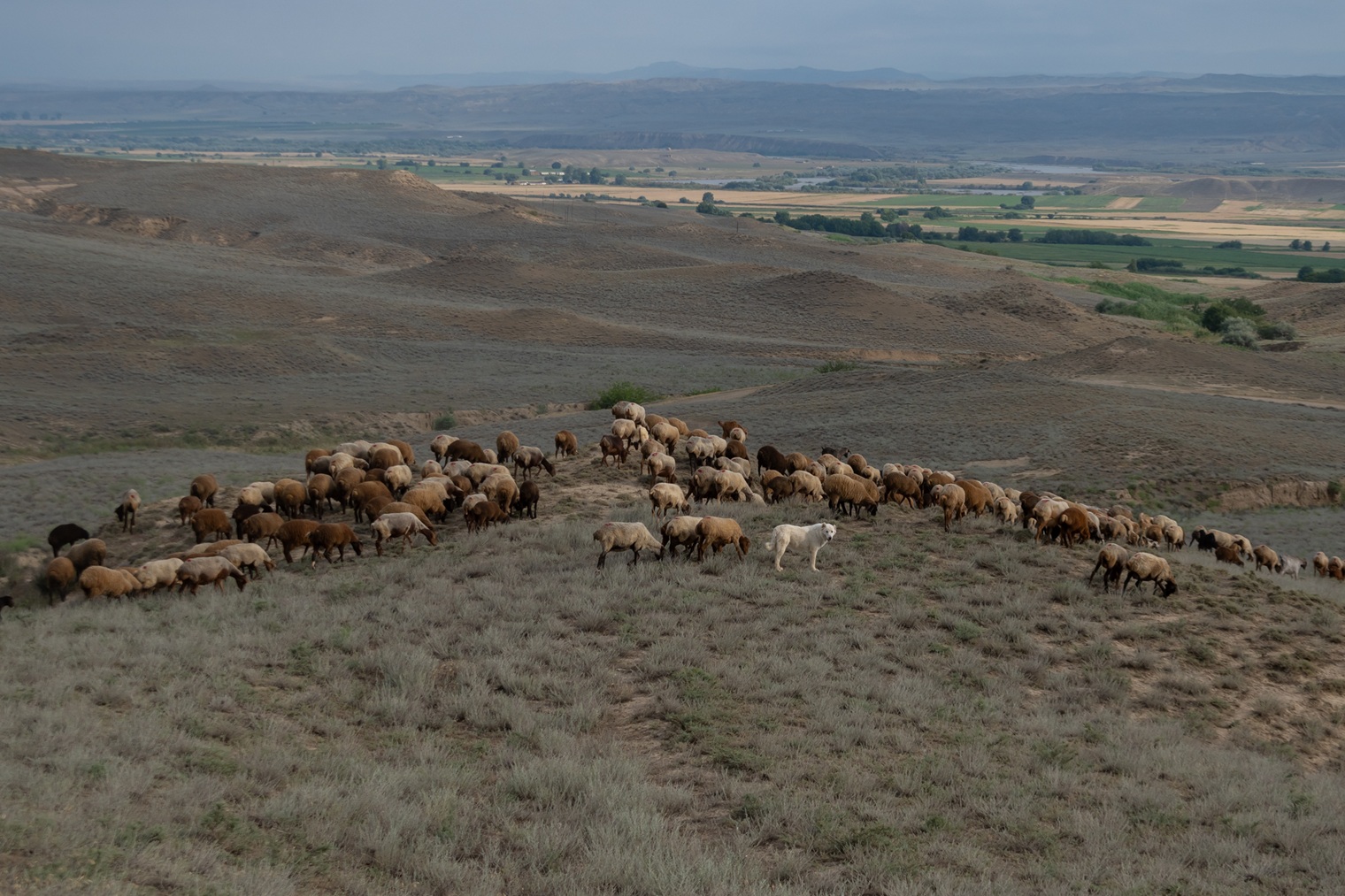
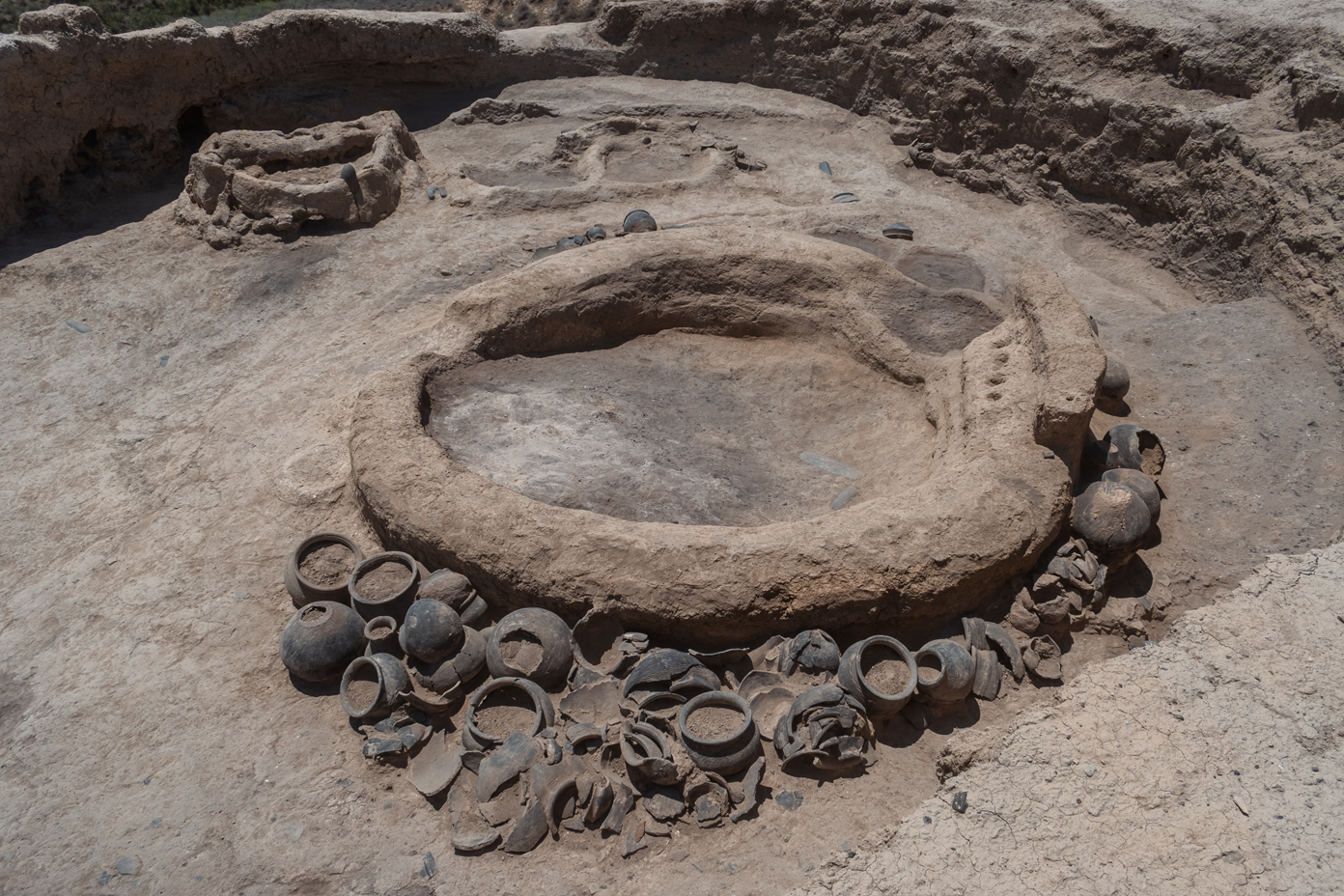
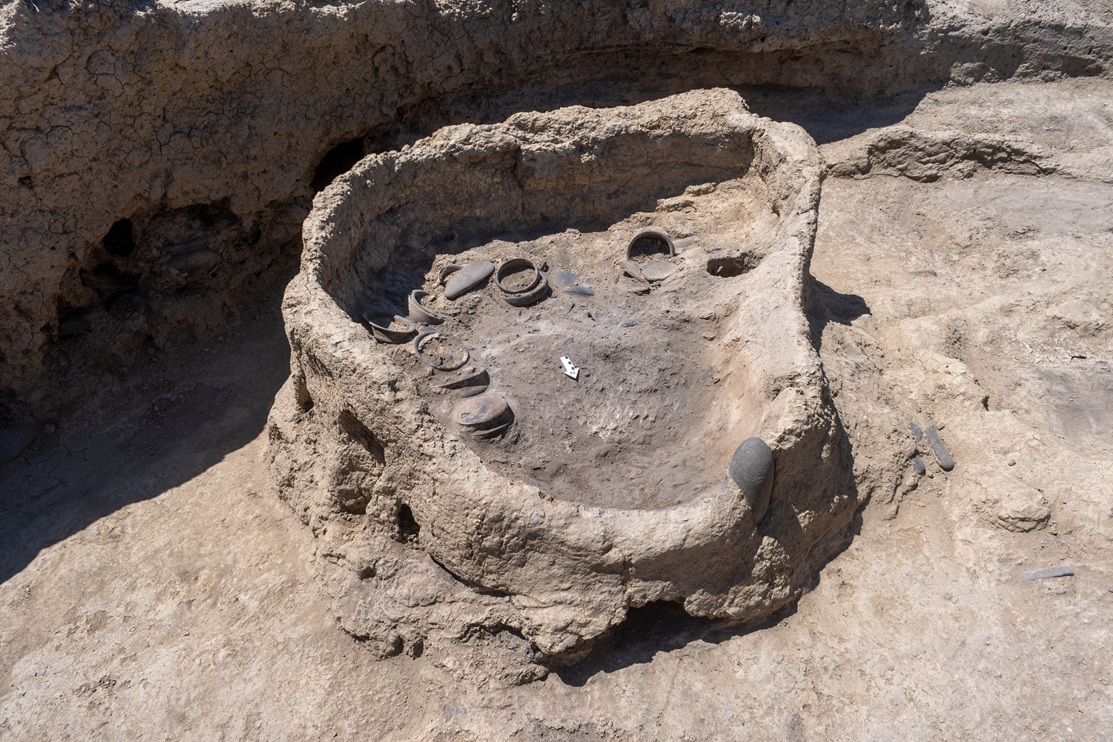
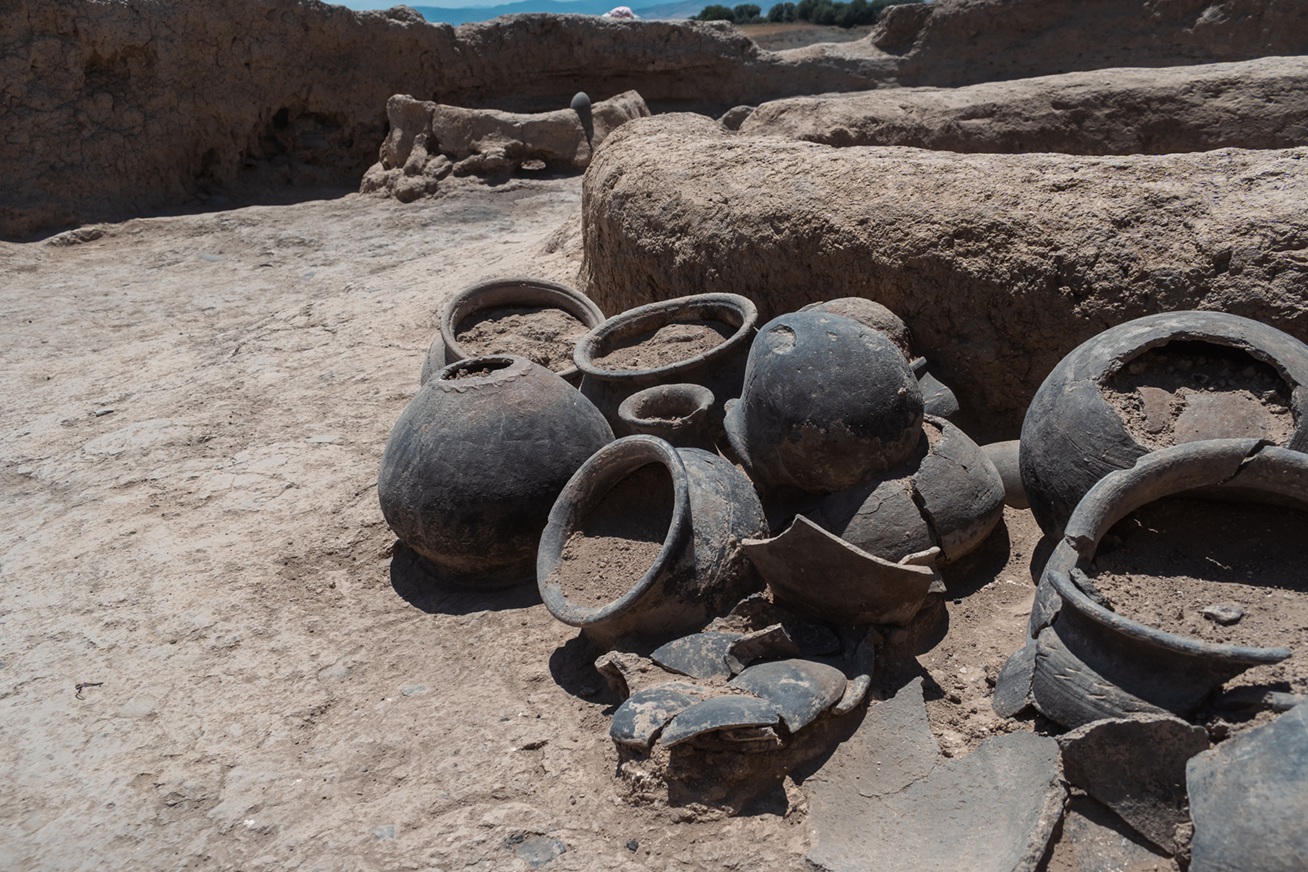
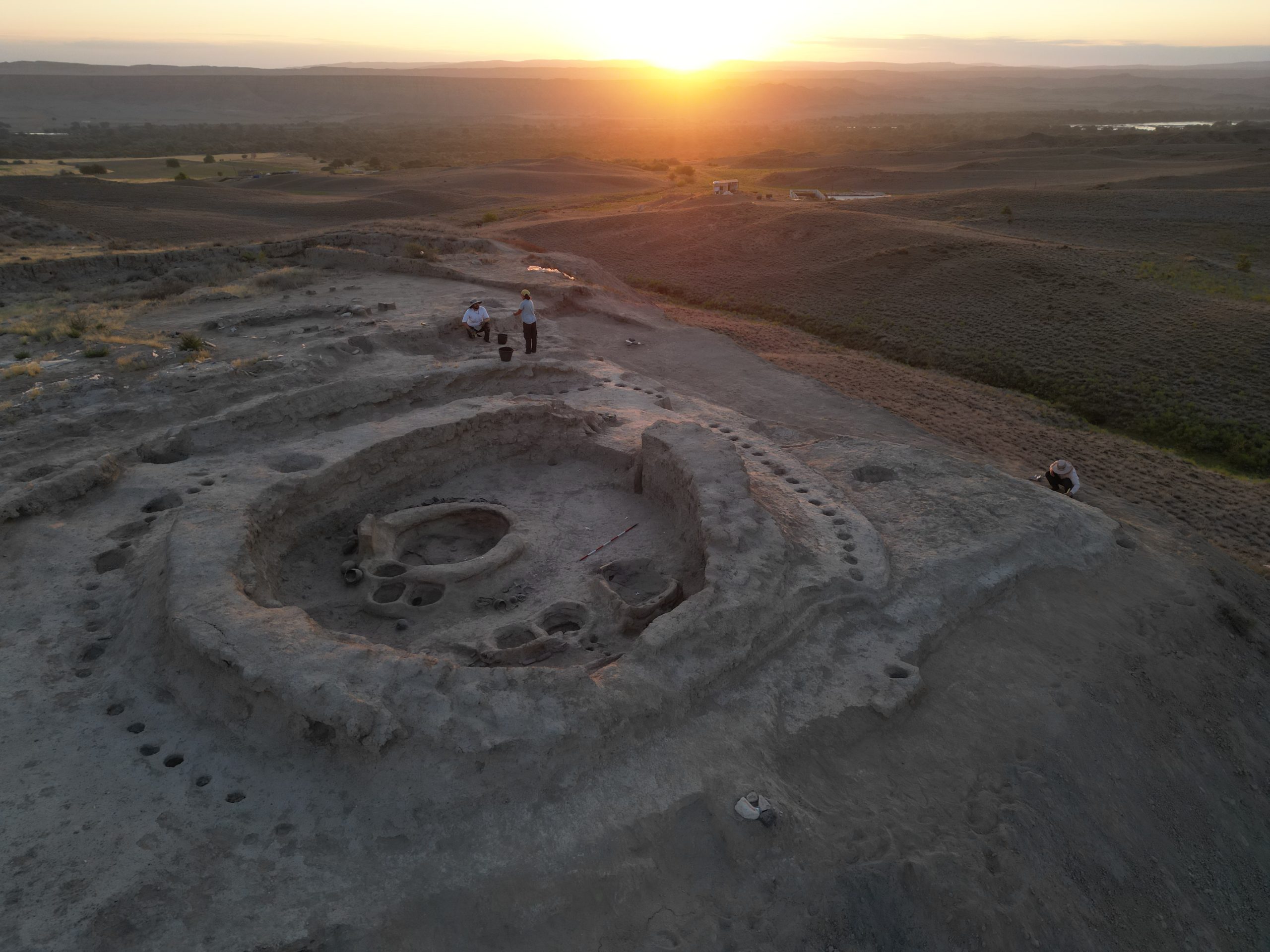
In Azerbaijan, the site of Tava Tepe continues to yield extraordinary surprises, thanks to the discovery of a succession of circular structures intended for the preparation, cooking and consumption of food and drink, built on a mudbrick terrace. Analyses of residues preserved within ceramic vessels, the study of faunal and botanical remains, and the dating of organic materials are helping to reconstruct the history of this remarkable complex which developed between the 13th and 11th centuries BCE.
In a landscape characterized by high mountains, watercourses – including the Kura River – and streams that seasonally crossed the valleys, the communities of the time began to reorganize their economic resources, perhaps also through the cultivation of new cereals, as suggested by the introduction of millet-based meals. In this context, the ceremonial cuisine of Tava Tepe appears to have played a central role not only in the preparation and collective consumption of food, but also in the sharing of choices that favored the progressive sedentarization of these communities.
The archaeological excavations, conducted in collaboration with the Azerbaijan National Academy of Sciences (Baku), with Bakhtiyar Jalilov and Lola Huseynova, are therefore providing valuable elements for understanding the role of food and resource sharing in the social and economic transformation of Caucasian communities during the transition from the end of the Bronze Age to the beginning of the Iron Age.
A frontier city between the Tigris and the Diyala: the latest news from the excavations at Tell Muhammad
Thousands of kilometers away, along the Tigris River, on the southern outskirts of Baghdad, food and drink are once again at the center of the archaeological discoveries made at Tell Muhammad during the 2026 excavation campaign, which concluded at the end of October and was conducted in collaboration with the State Board of Antiquities and Heritage of Iraq.
The occupation levels of this ancient city document the transition between the Isin-Larsa period and that of the First Dynasty of Babylon (ca. 2000–1595 BCE), when the Tigris represented a frontier between the two powerful kingdoms of Eshnunna, to the east in the Diyala region, and Babylon, linked to the famous ruler Hammurabi.
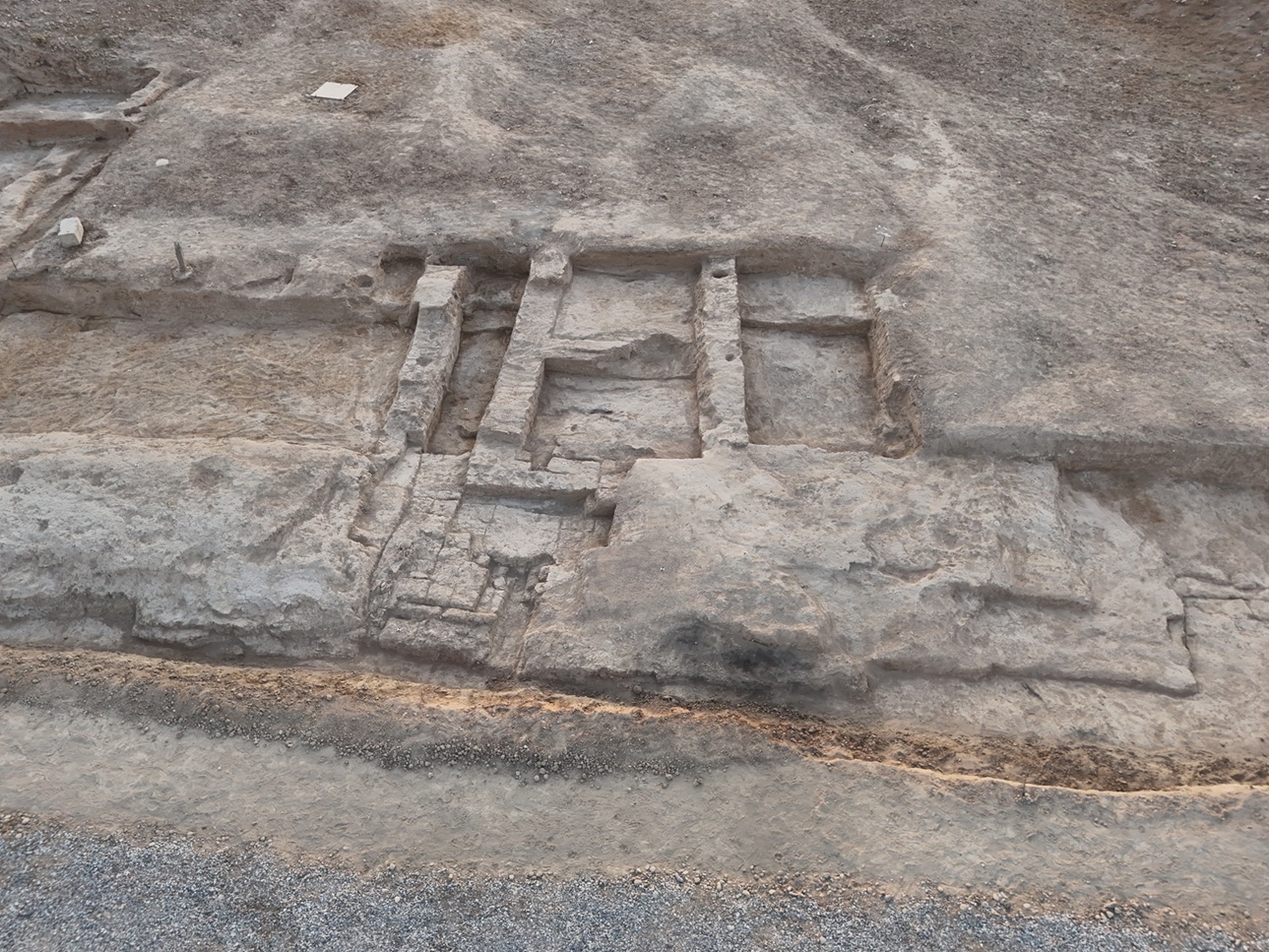
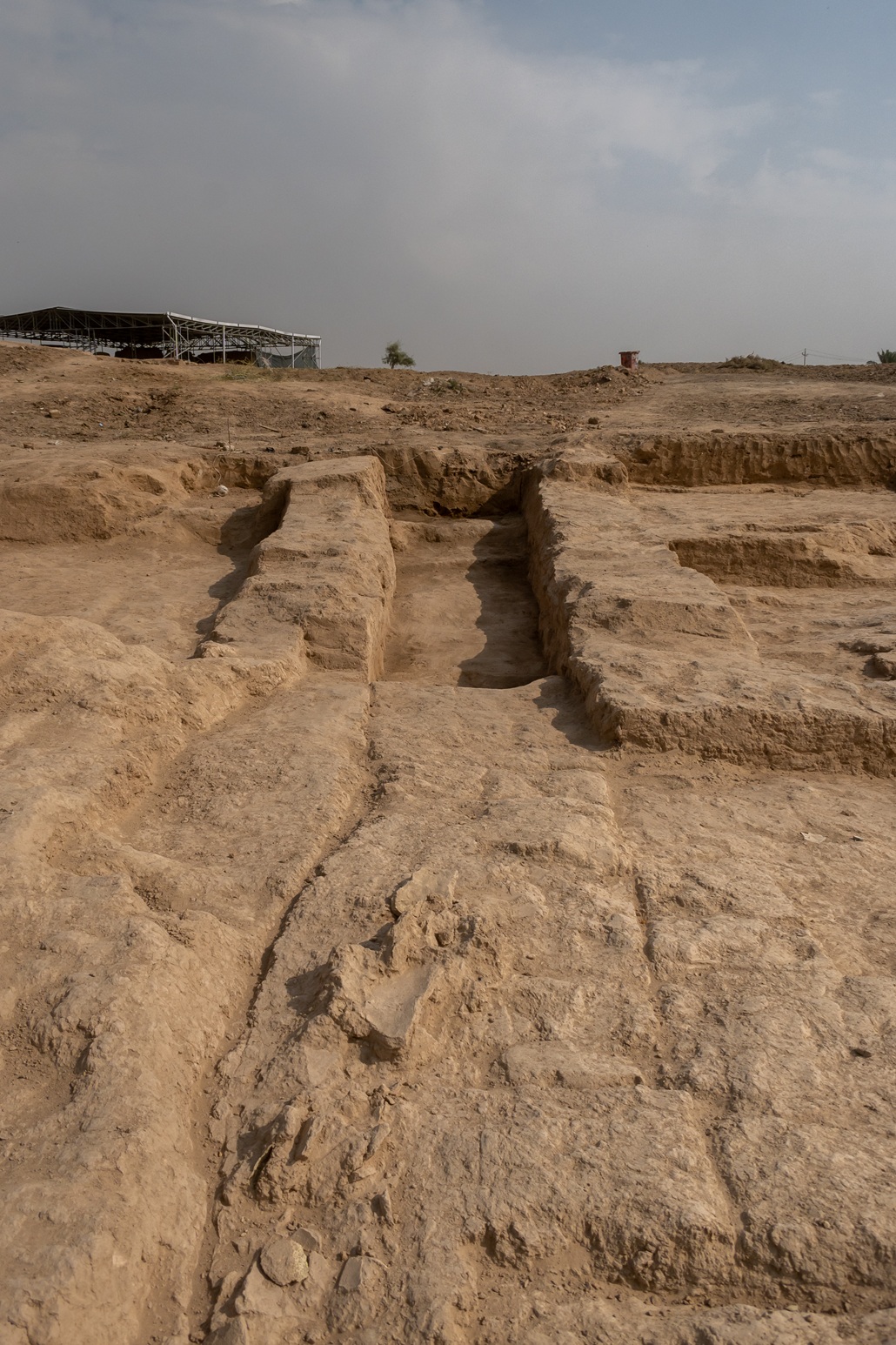
The tensions between these two political entities are reflected both in the archaeological and textual documentation and in the presence of an imposing defensive system. The city was in fact protected by a mudbrick wall about five meters thick. Along the western side, in addition to an urban gate already brought to light during the 2022 campaign, a postern – a small secondary entrance flanked by a bastion – has been identified, showing clear traces of fire on its exterior.
Within the walls of Tell Muhammad: a food and drink production area between Old-Babylonian texts and structures
Inside the city, some of the buildings brought to light during the excavation campaigns testify instead to the importance of activities related to the production of food and drink.
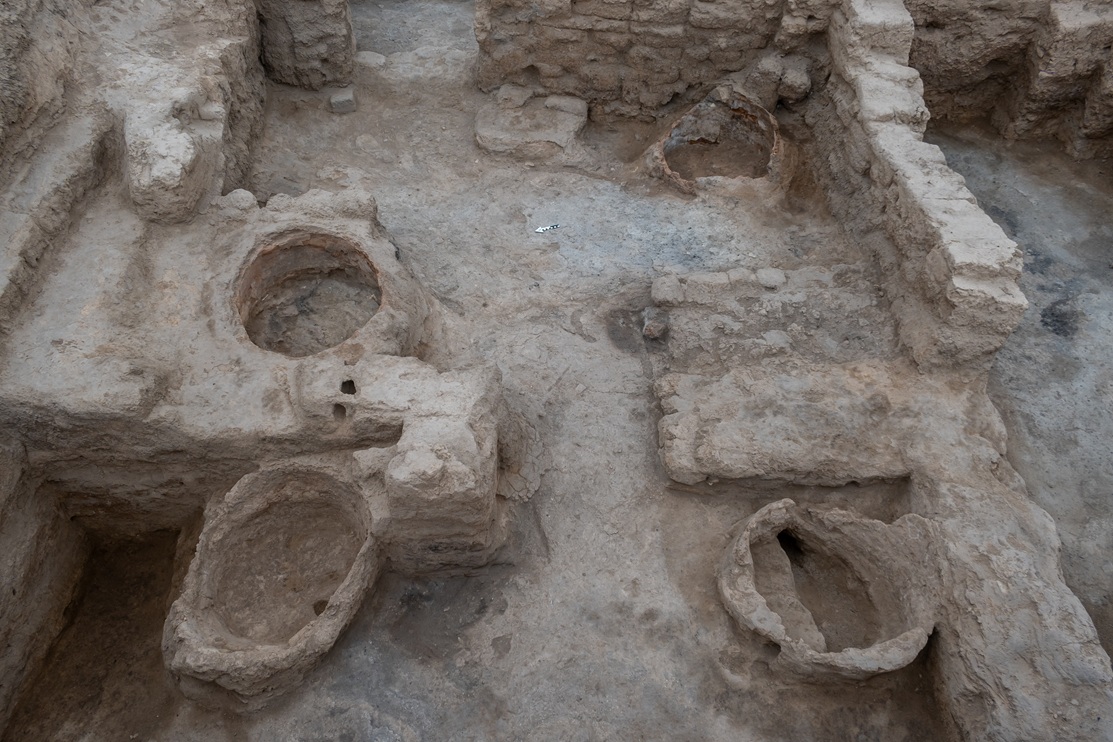
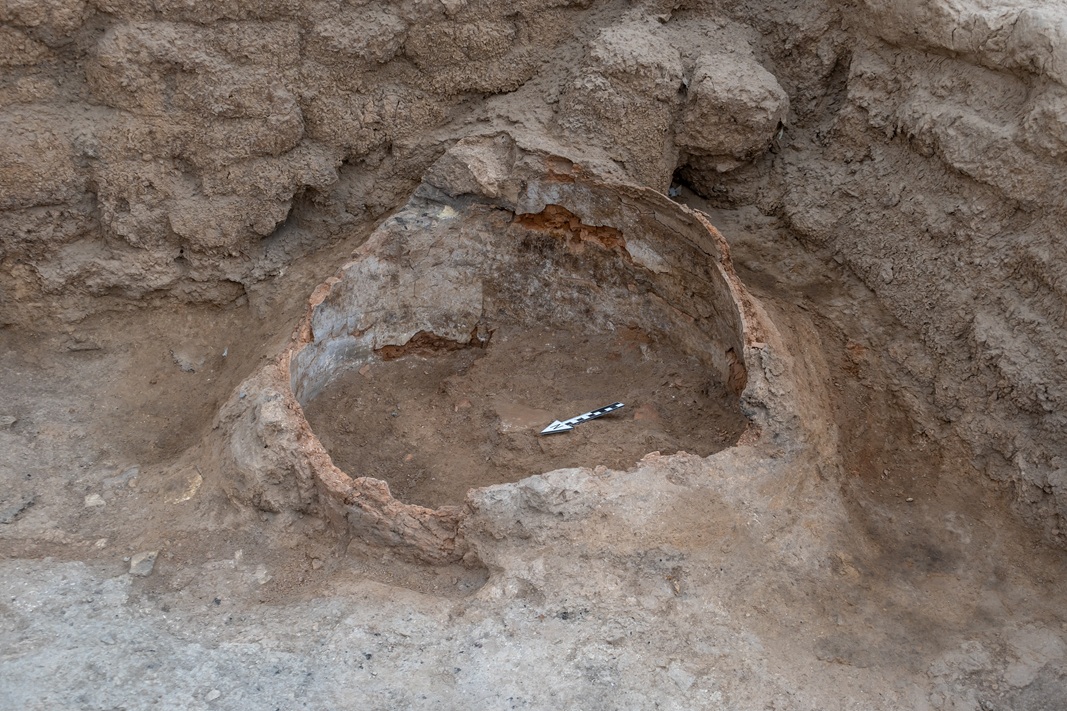
Particularly significant are the discoveries made in 2026 in a building located along the road leading from the urban gate to the sacred area. The structure, characterized by a sort of semicircular workbench outside the entrance, has yielded ovens and circular installations related to bread-making and probably to other food-processing activities.
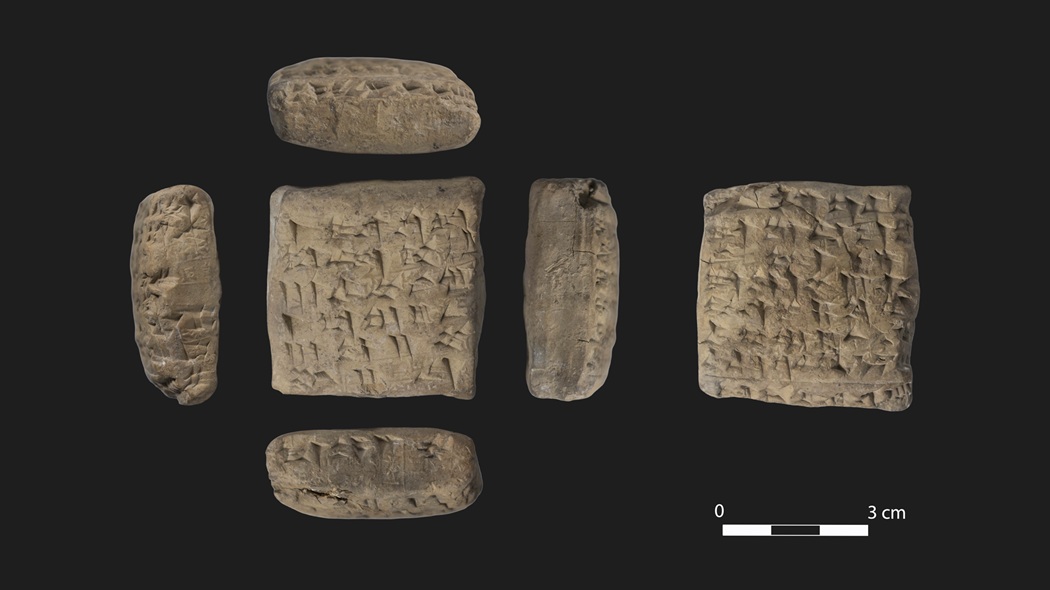
To these material testimonies is added an important written document: a contract on a clay tablet, datable to the Old-Babylonian period and more precisely to the time of Hammurabi or his successor Samsu-iluna. Thanks to the study by the mission’s philologist – Annunziata Rositani (University of Messina) – we know that the text documents transactions relating to beer, and particularly the renowned kurunnum beer, as well as barley and sesame oil.
Future analyses of the carbonized organic remains found inside the building will allow for a deeper understanding of the production processes and activities that took place in this context, particularly rich in archaeological and textual evidence.
The sociality of food between the southern Caucasus and Mesopotamia as a universal mirror of community bonds
Thanks to the support of the Ministry of Foreign Affairs and International Cooperation and the Italian diplomatic representations in Baku and Baghdad, the archaeological missions of the University of Catania in Azerbaijan and Iraq are helping to reconstruct fundamental aspects of the life of ancient societies and, at the same time, to strengthen international scientific and cultural cooperation.
The discoveries of Tava Tepe and Tell Muhammad, despite the diversity of their respective geographical, historical and cultural contexts, bring to light a common thread that runs through human history: the production and sharing of food not only as responses to a primary need, but also as an occasion for encounter, exchange and the building of community and social bonds. A universal dimension that continues to unite ancient and contemporary societies.