With the aim of mitigating the impact of energy costs, New Zealand has embarked on a path to strengthen its energy security. In a context of global transition and uncertainty, the New Zealand’s government is pursuing a diversified strategy that strongly focuses on renewables, while still leveraging fossil fuels as a guarantee of stability.
The “From the Ground Up” plan, which will be submitted to Parliament for consideration, is at the heart of New Zealand’s renewable energy strategy. The goal is to double geothermal energy production by 2040, for both electricity generation and direct heat applications. Besides positioning the country as a leader in global geothermal development, the plan aims to develop regional economies by incentivizing industry, tourism, and exports. Indeed, data from the Ministry of Business, Innovation and Employment for 2024 showed a 21% increase in geothermal generation capacity compared to the previous year, thanks to the entry into operation of two new plants, Tauhara and Te Huka 3.
Overall, according to official data, in 2024 nearly a third of New Zealand’s energy consumption came from renewable sources, while the share of renewable energy in total primary energy supply rose to 45.4%, up from 42.9% in 2023.
At the same time, the New Zealand government is also exploring opportunities related to biogas, after the recent “Biogas Bridge Forum” in Wellington highlighted this resource as an additional strategic option for increasing energy resilience and supporting regional development. In this context, the Ministry of Energy has launched a dedicated work program aimed at creating a functioning biogas market in the country.
The ban on offshore oil and gas exploration was finally lifted, restoring the possibility to issue new permits. This is intended to ensure security of supply, considering the variability of hydroelectric production, a source inherently subject to weather uncertainties.
To strengthen this safety net, the major energy companies operating in New Zealand (Genesis, Mercury, Meridian, and Contact) signed an agreement for a ten-year strategic reserve, with the dual objective of increasing stability and promoting more affordable prices for consumers.
Geothermal Resources
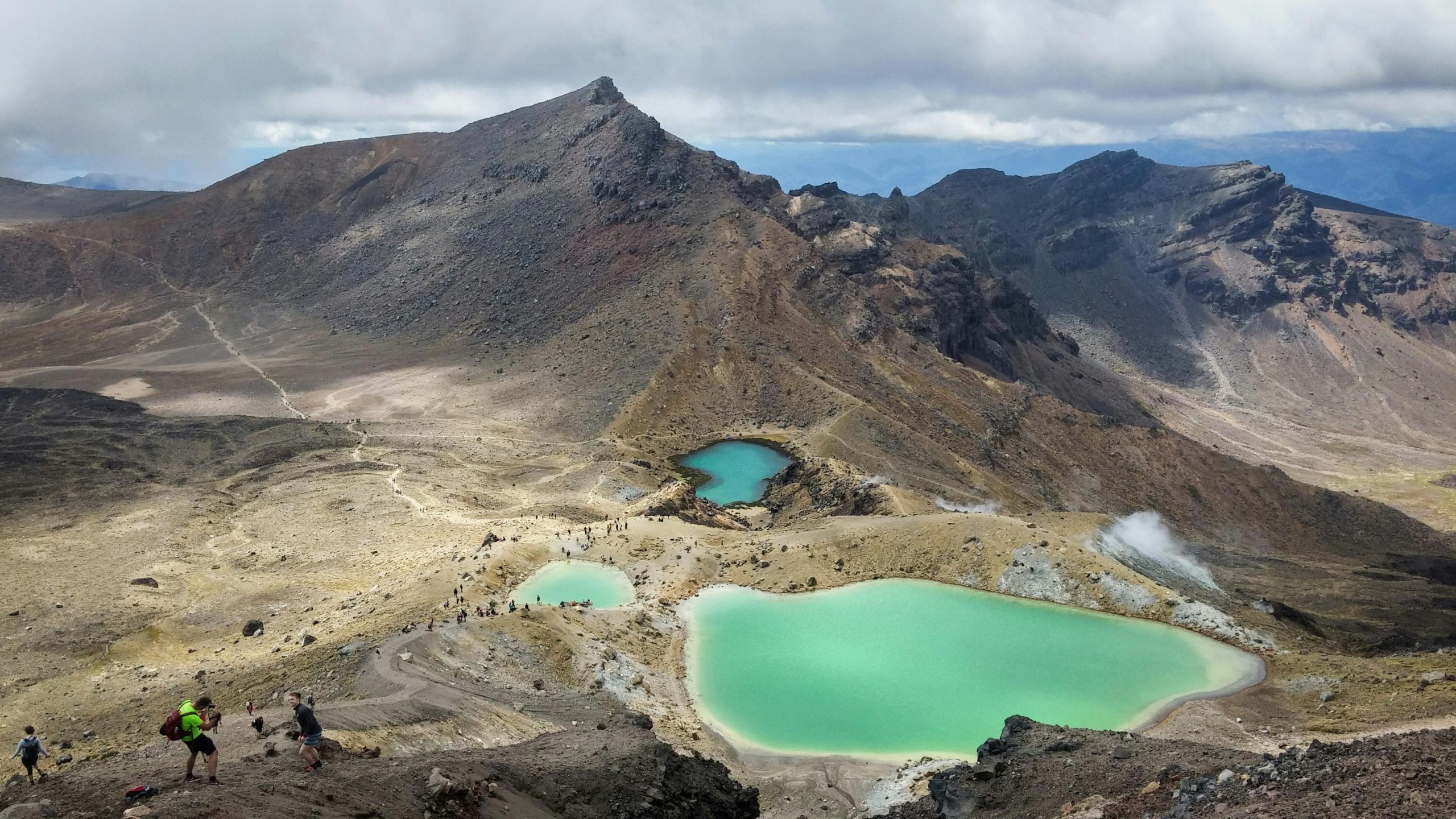
New Zealand’s geothermal resources are concentrated almost exclusively in the central North Island, within the Taupo volcanic zone. There is also a geothermal field in Northland, at Ngawha, in the far north of the island. Kawerau, where geothermal steam is a significant energy source for local paper mills and industries, is one of the world’s largest sites for the direct use of geothermal heat.
New Zealand’s crude oil fields are located both within the Taranaki region, in the western part of the North Island, and just off its coast. Natural gas deposits are also concentrated around and off the coast of the Taranaki region. Lacking facilities to import or export natural gas, New Zealand consumes all the natural gas it produces. Most of the gas produced from these fields is injected into a transmission network that supplies major centres in the North Island. New Zealand’s only large-scale natural gas storage facility is located at Ahuroa.