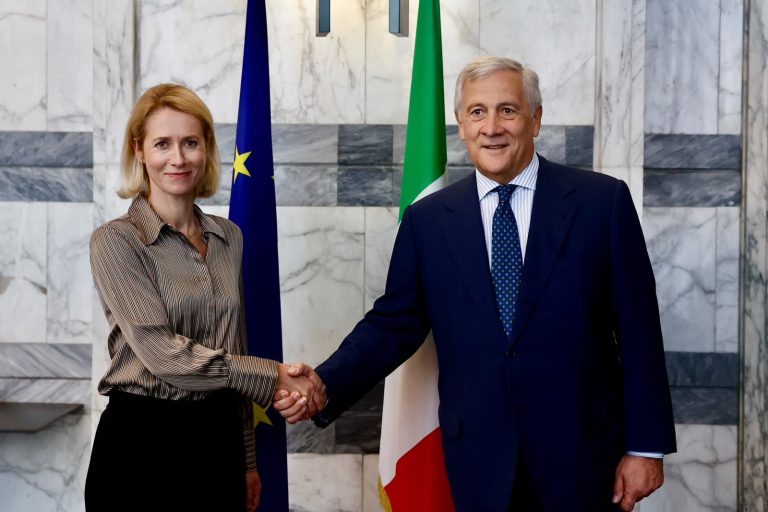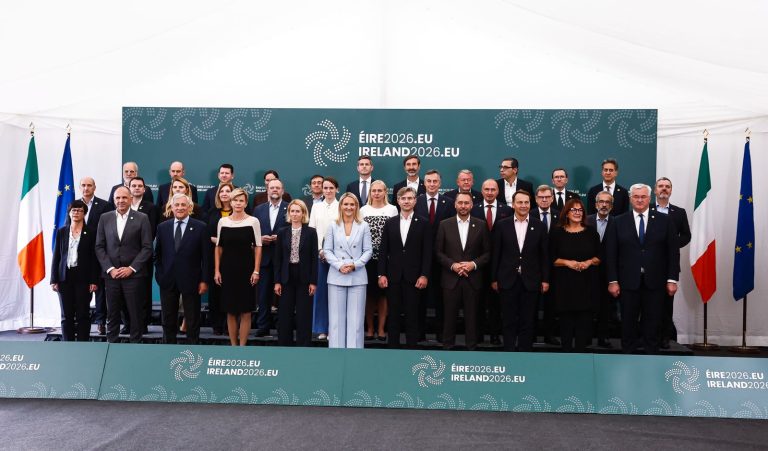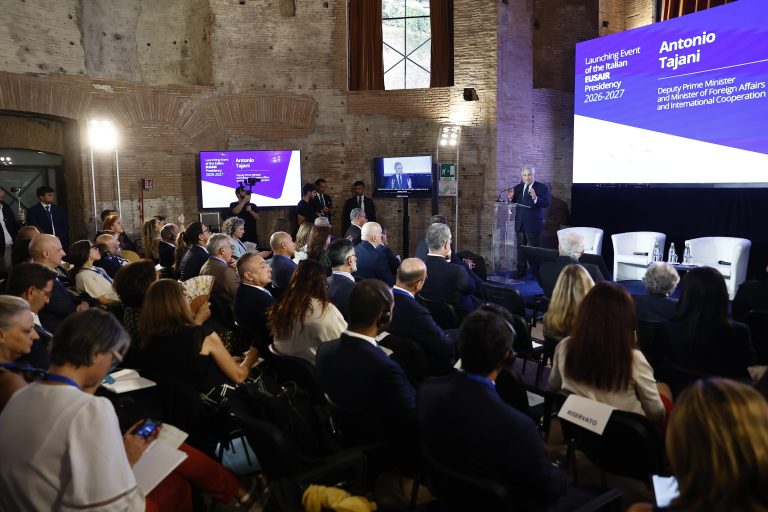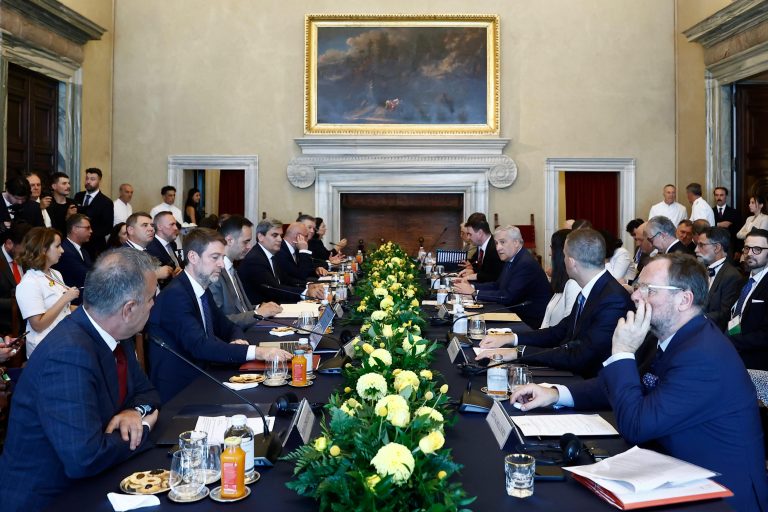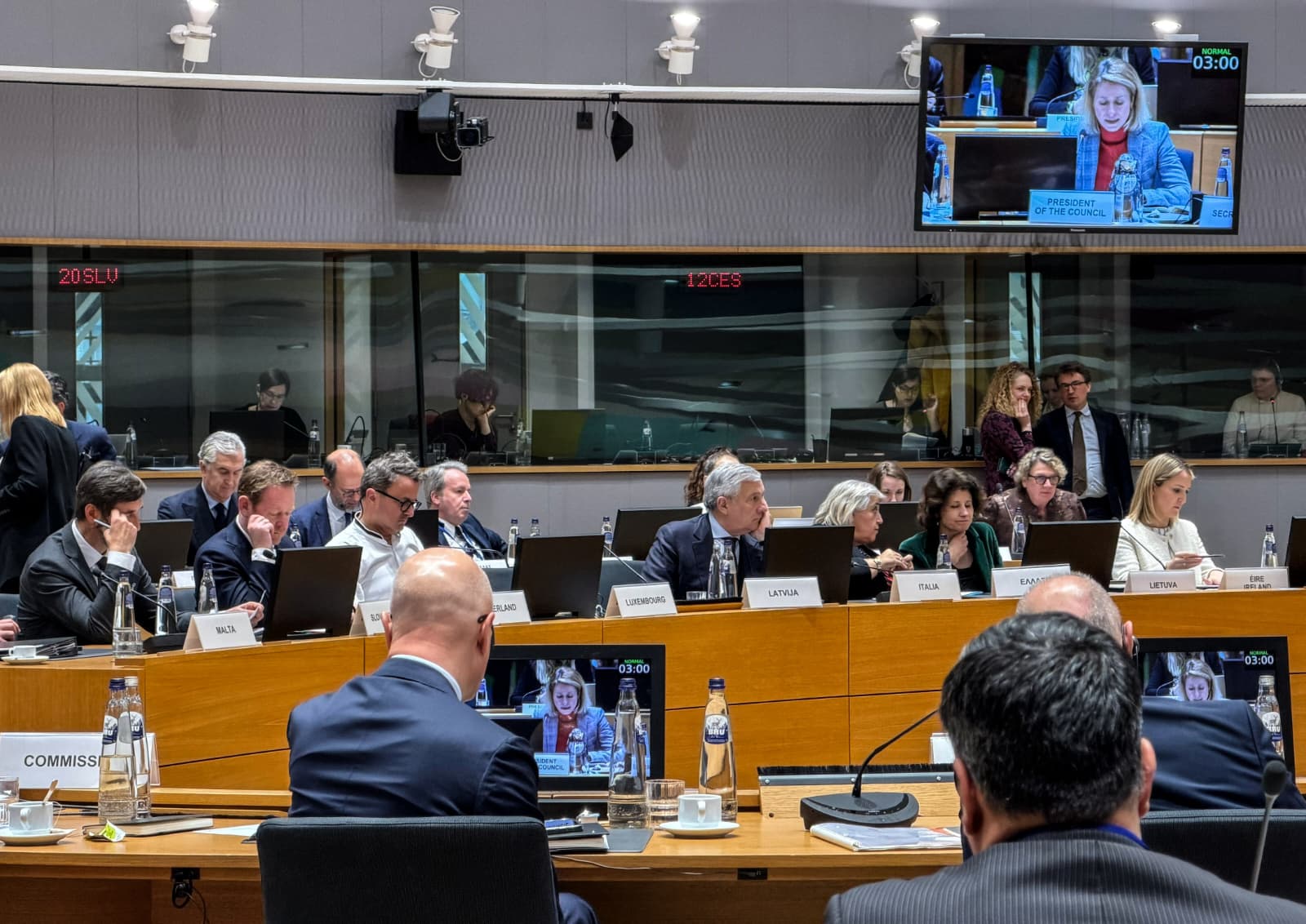
The Minister of Foreign Affairs, Antonio Tajani, was in Brussels to take part in the meeting of the European Union’s Foreign Affairs Council.
The agenda included an informal exchange on the main political issues expected in 2026, three sessions dedicated to Ukraine, the Middle East and the Great Lakes region, and an informal discussion with the UN High Commissioner for Human Rights, Volker Türk.
The Minister reiterated Italy’s condemnation of the violent repression of the demonstrations that have erupted in Iran in recent weeks. The Council approved new sanctions against Iran, supported by Italy as well, and discussed – following an Italian proposal – the inclusion of the Revolutionary Guards on the EU list of designated terrorist organisations.
Regarding Gaza, while welcoming the return to Israel of the remains of the last hostage, Tajani reaffirmed Italy’s commitment to implementing the second phase of President Trump’s Peace Plan, both in the humanitarian sphere and in matters of governance, security and reconstruction.
The situation in north-eastern Syria was also discussed, with a call for dialogue between the Syrian Government and Kurdish forces.
During the session on Ukraine, which was joined remotely by the Ukrainian Foreign Minister, Andrij Sybiha, participants addressed the latest developments in light of the Abu Dhabi talks, which represented an encouraging signal for dialogue toward peace. Also central to the discussion were financial and energy support for Kyiv, sanctions pressure on Moscow ahead of the 20th EU sanctions package, and efforts to counter its shadow fleet.
The Italian Foreign Minister reaffirmed Italy’s commitment to maintaining alignment between Europe, Ukraine and the United States, including through the Coalition of the Willing, NATO and the G7.