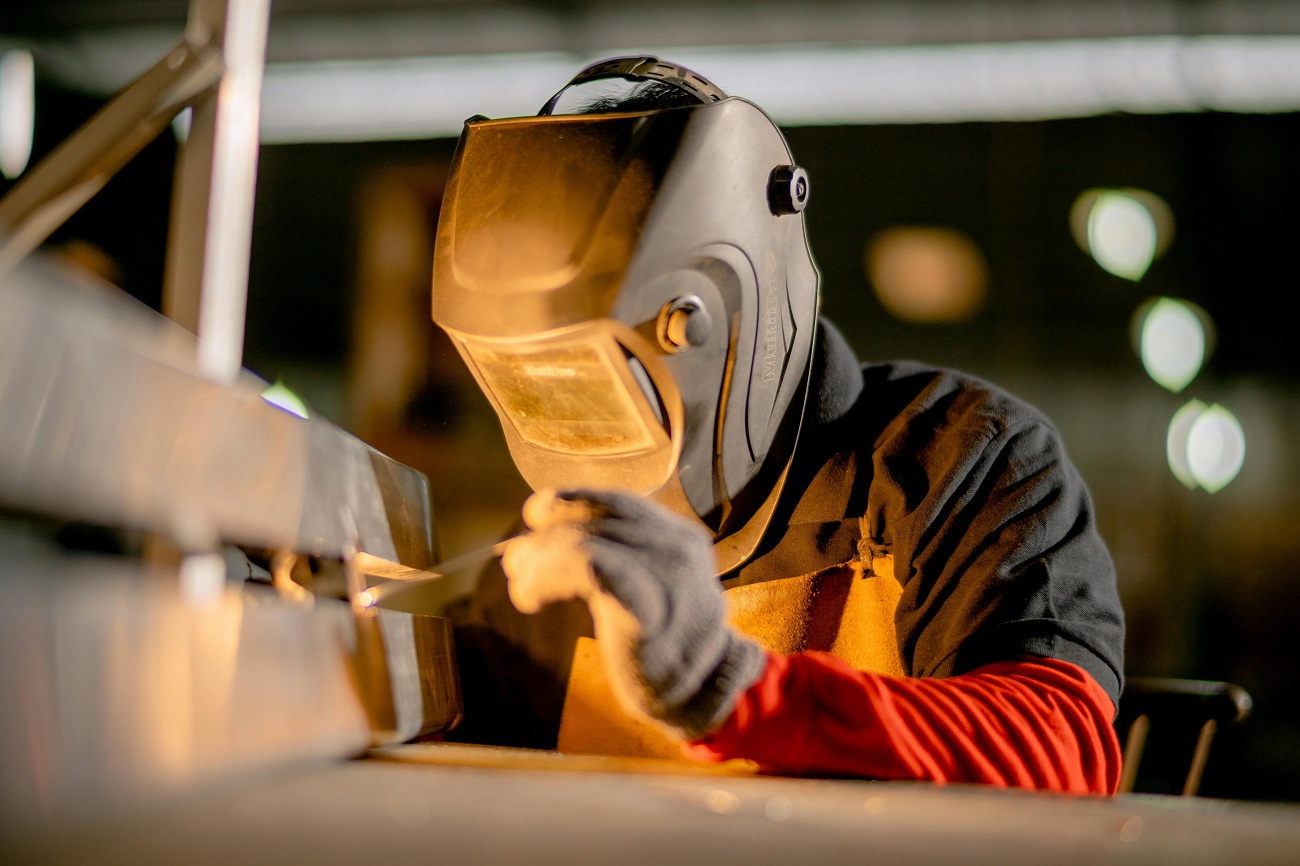
The steel sector, one of the flagships of German industry, is facing a series of challenges due to high energy prices, cheap imports from China, and the cost of the green transition. Furthermore, companies in the sector are suffering from weak domestic demand from other key sectors such as construction, mechanical engineering, and automotive. A report published by the German Steel Federation notes that in 2024, steel production recorded a decline in revenue of €5.3 billion compared to the previous year, while in the first half of 2025, domestic production decreased by 12%, reaching 17.1 million tons. Overall, this is the third consecutive time that the quantity of crude steel produced has remained below the 40 million ton threshold, thus reaching recessionary levels.
According to data released by the World Steel Association, German steel companies risk playing a marginal role in the global market, already dominated by Asia, with six Chinese companies among the top ten. In this ranking, the German industry leader Thyssenkrupp Steel ranks only 42nd. Faced with this situation, German companies have initiated cost-cutting plans, particularly job cuts. Thyssenkrupp itself has announced cuts that are expected to reduce its workforce from the current 27,000 to 16,000 by 2030.
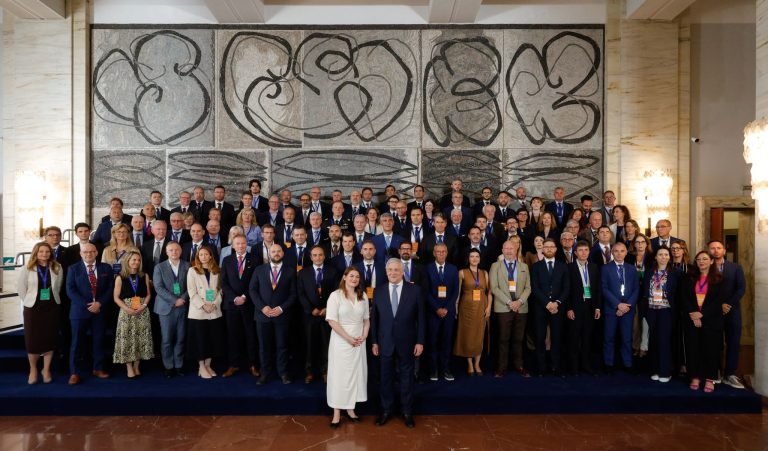
In recent months, a high-level meeting has brought together the highest-ranking German officials and key players in the steel industry to review recent difficulties and identify solutions for recovery. The press conference that concluded the Summit reaffirmed the urgency of a national strategy that contributes to the sector’s revitalization and growth. The priorities identified include improving competitiveness, to increase production and maintain production facilities in Germany, and, in parallel, the need to ensure effective protection of the sector from global economic trends, from US tariffs to Chinese dumping practices.
The German government has therefore reaffirmed its support for all European Commission’s initiatives in this direction, such as the CBAM system (a mechanism that provides for the application of duties on producers who do not meet CO2 reduction targets). It has also expressed satisfaction with the new instrument proposed by the Commission last October, which will replace existing defence measures for the steel sector.
Another key issue regards energy, to which company and union representatives have also drawn attention. The government has emphasized the importance of reducing energy costs and mentioned measures such as the gas storage contribution and upcoming measures to extend electricity price compensation.
With a view to further supporting the sector’s strengthening, the German authorities have called for the use of only high-quality European steel in the production chain of strategic sectors such as defence, infrastructure, and automotive, stating that “companies also have a duty to contribute to the sector’s success.”
From the urgency of addressing the sector’s crisis to the need for ensuring preferential access for European-produced steel in public procurement and infrastructure investment, the government’s positions have met with consensus from company representatives and unions. The trade associations’ appeal regarding production in Germany and Europe and the importance of implementing protective measures for the domestic steel industry was particularly heartfelt, emphasizing – in particular – the potential risk of dependencies that would be dangerous for the German economy. This risk needs to be avoided. The government’s stance on reducing energy costs was also welcomed.