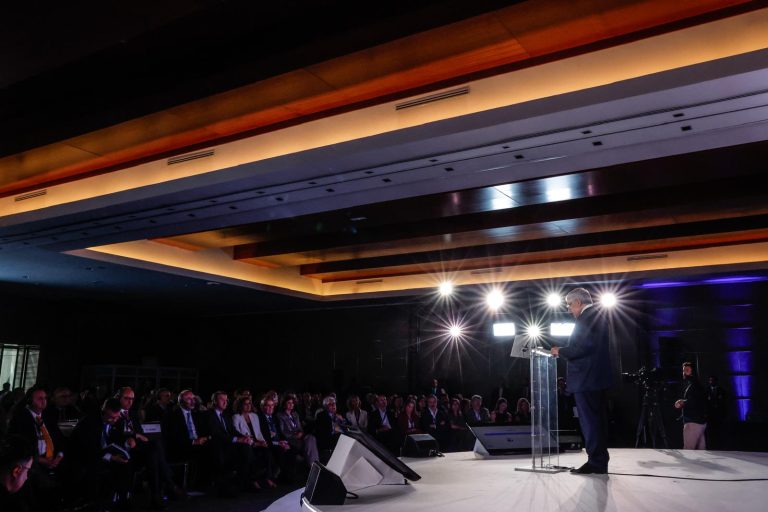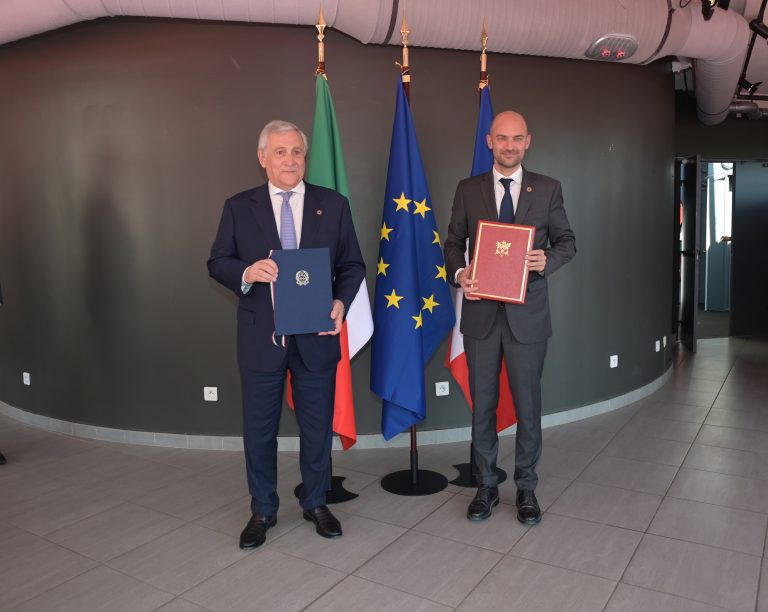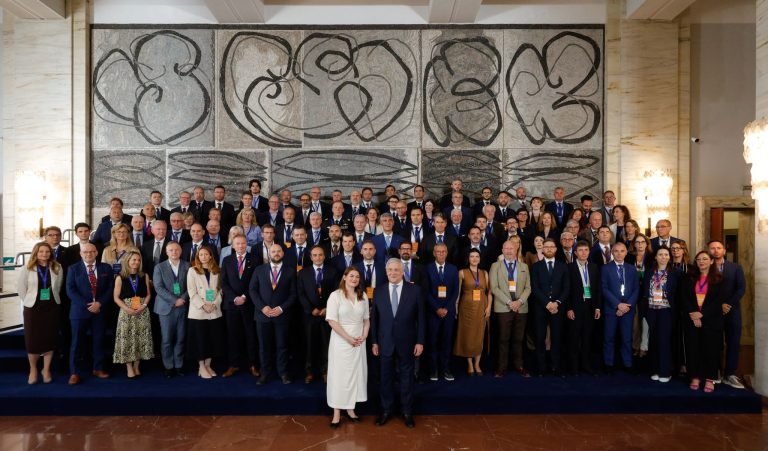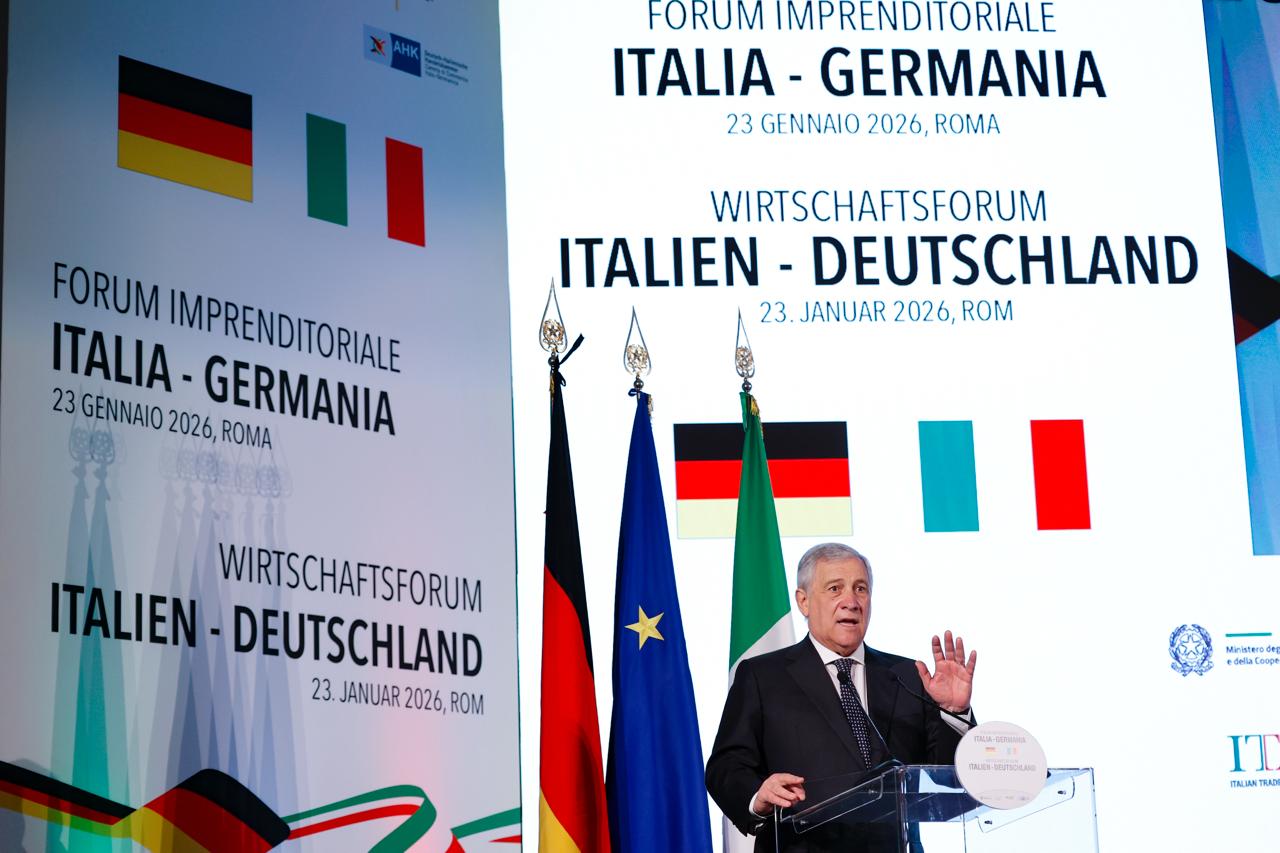
Italy and Germany reaffirm their role as Europe’s industrial engines, thus ushering in a new era of cooperation aimed at turning global challenges into concrete development opportunities. The goal is to strengthen industrial competitiveness and foster market balance. Bearing this in mind, the collaboration aims to ensure growth and strategic autonomy for the entire European Union. This was the central message emerging from the Italy-Germany Business Forum held in Rome on January 23 at the Hotel Parco dei Principi, attended by over 500 companies. The meeting was organized on the sidelines of the intergovernmental Summit between the two countries and involved nearly all Ministries of both governments to celebrate the 75th anniversary of bilateral diplomatic relations in a climate of deep political and economic harmony, demonstrating an integration that Deputy Prime Minister and Foreign Minister Antonio Tajani described as “forward-looking.”
The Figures of Record Interdependence
The economic data reflects the strength of an unprecedented relationship. In 2024 trade reached €153.7 billion. Germany thus confirms its position as Italy’s top trading partner, ranking as our top customer and top supplier. Italian exports to the German market amounted to €70.5 billion, compared to €83.2 billion in imports. Furthermore, in 2025, trade continued to grow, reflecting an increase in both imports and exports, consistent with the projected recovery of the German economy.
This interconnection is not only commercial, but also structural: over 2,000 Italian companies operate permanently in Germany, generating a turnover of approximately €90 billion and supporting tens of thousands of jobs. As Minister Tajani emphasized, Germany is an essential market in the “Growth Diplomacy” strategy, a fundamental pillar for achieving the national target of €700 billion in exports by the end of 2027.
A shared path for industry and competitiveness
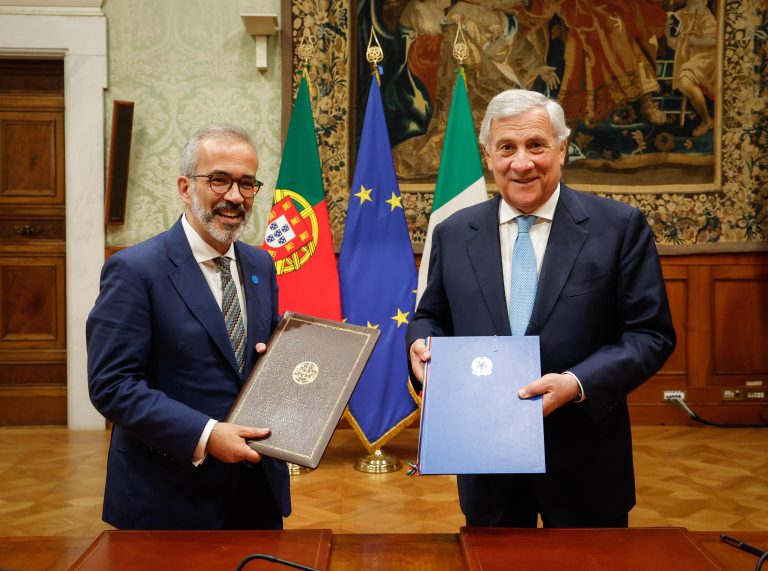
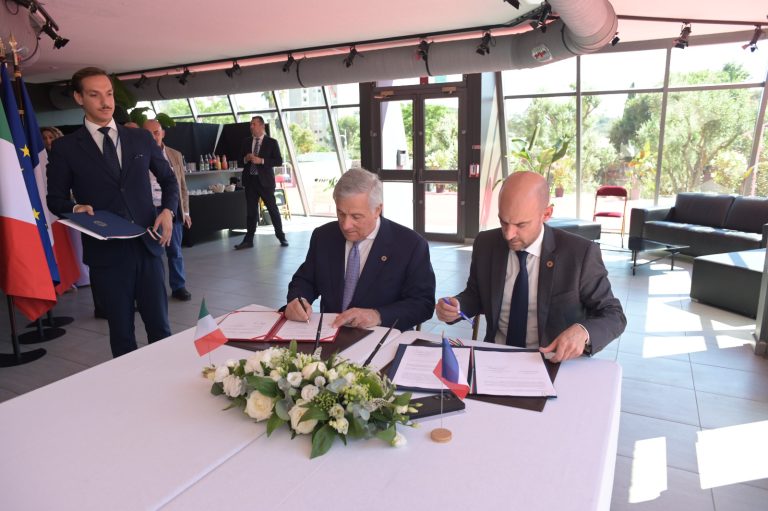
The Forum’s discussions focused on the need to reform European economic and industrial policy to meet the challenges of global disruption. The Minister of Enterprise and Made in Italy, Adolfo Urso, identified 2026 as the year of major reforms, emphasizing the importance of upholding technology neutrality in the automotive package of measures to enable companies and families to choose the most cost-effective solutions, including biofuels and hydrogen. That vision was shared by the Federal Minister for Economic Affairs and Energy, Katherina Reiche, who emphasized the need to reduce bureaucracy and strengthen small and medium-sized family-run enterprises, the common backbone of both production systems. Italy and Germany also signed two crucial agreements: a joint declaration for structured cooperation in the sector of critical raw materials and one to foster innovation and the development of start-ups. These agreements aim to create “European champions” capable of competing strongly on global markets.
Defence, Energy, and Infrastructure: The Pillars of Resilience
Strengthening NATO’s European pillar and energy security were cross-cutting topics throughout the Summit. The German Foreign Minister, Johann Wadephul, emphasized that European unity is now a “necessity for all,” essential for protecting democracies and making Europe’s voice be increasingly heard in the world. Operationally, defence cooperation was enshrined in a political agreement aimed at strengthening security and industrial resilience. In parallel, at energy level, the two countries are promoting the Southern Hydrogen Corridor project to reduce strategic dependence. In terms of infrastructure, a declaration of intent on combined transport was signed, while Italy is proposing the port of Trieste as a natural logistics hub for German goods bound for the Indo-Pacific region.
A New Cooperation Era
As the final touch, Prime Minister Giorgia Meloni and Chancellor Friedrich Merz signed a joint document on competitiveness. “The strength of our production lies in the recognizability of the Made in Italy and Made in Germany brands as a guarantee of high quality,” Prime Minister Meloni stated, emphasizing the importance of an open trade policy based on reciprocity. The plan serves as a true manifesto for the revitalization of the European single market, providing support for strategic supply chains such as the steel and pharmaceutical industries. The many arrangements reached include the update of the 2023 Bilateral Action Plan, as well as agreements on the development of the algae sector, university research, and the cultural promotion of the “Goethe Route in Italy.” Overall, the agreements outline deep and multidisciplinary cooperation: a solid framework of relations capable of providing the Italian-German production system with the stability needed to navigate the international landscape with optimism and determination.