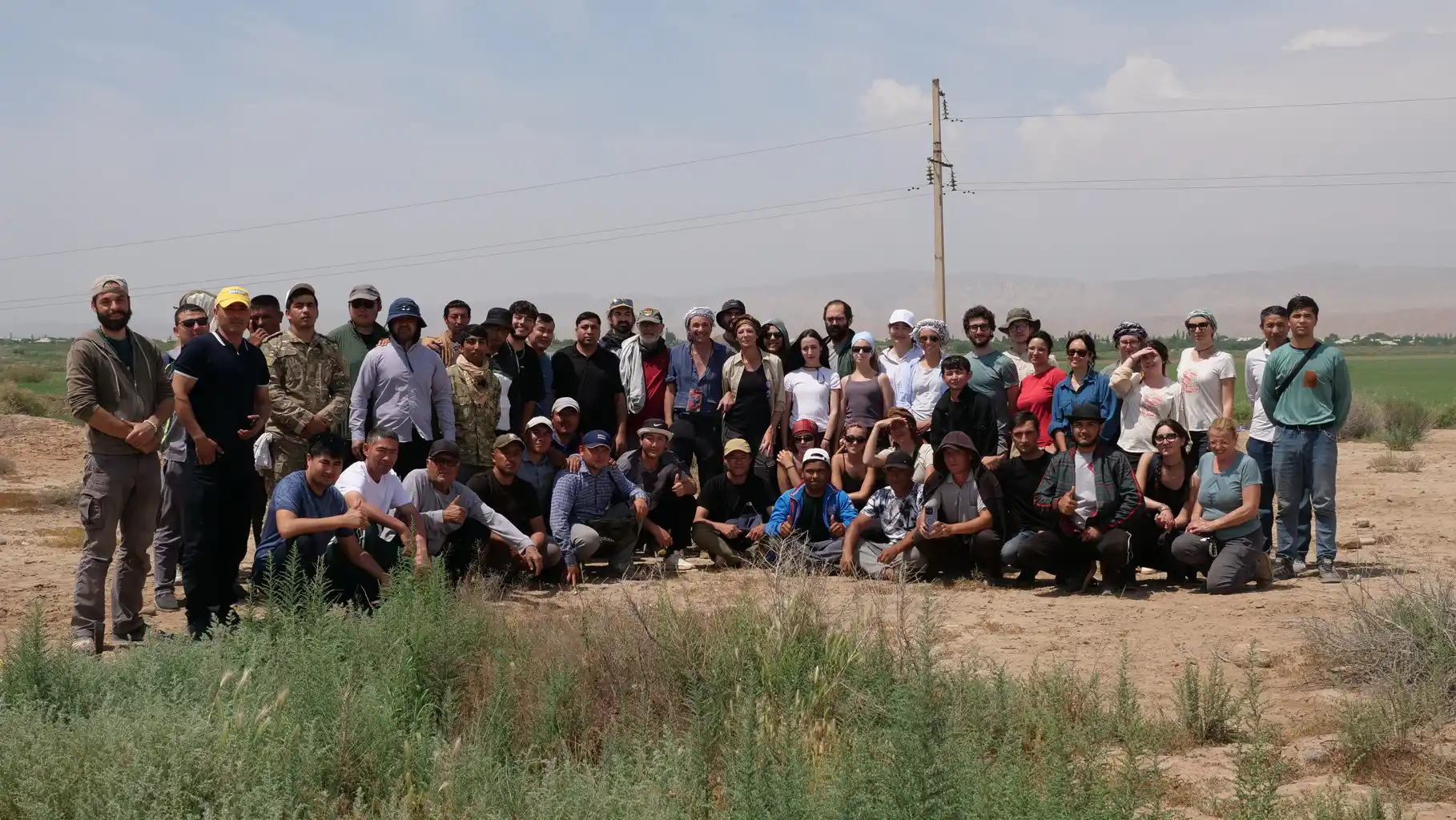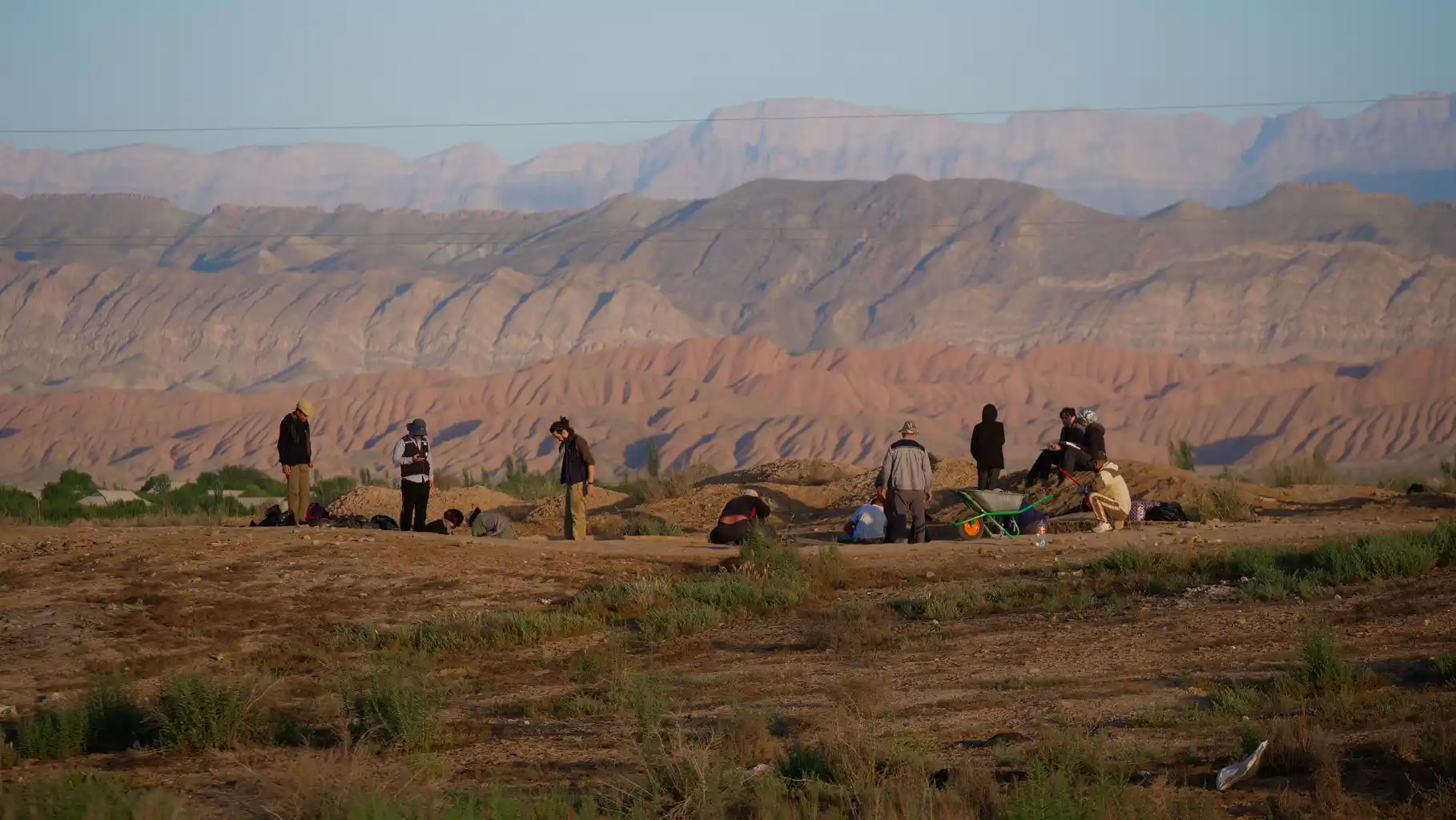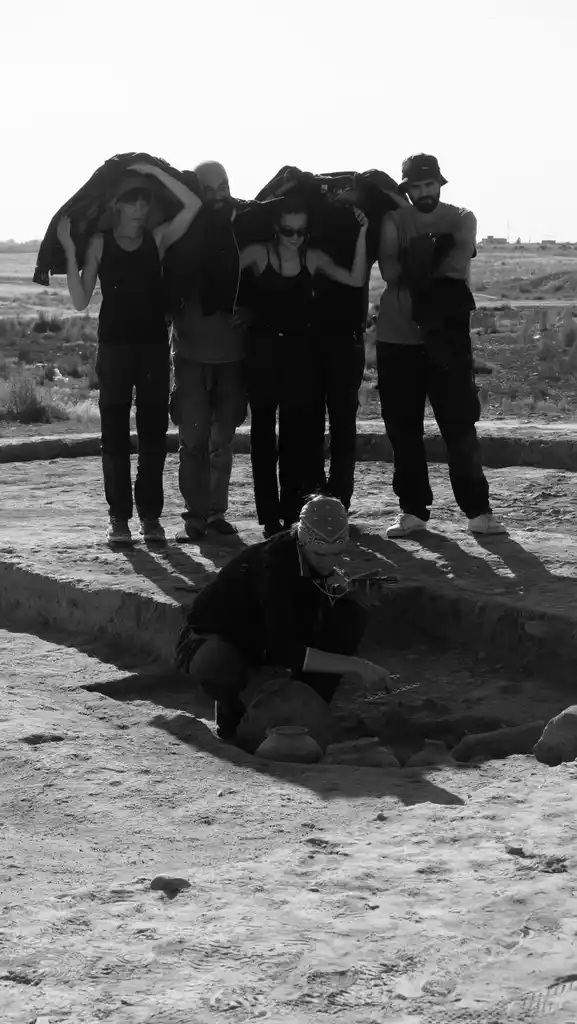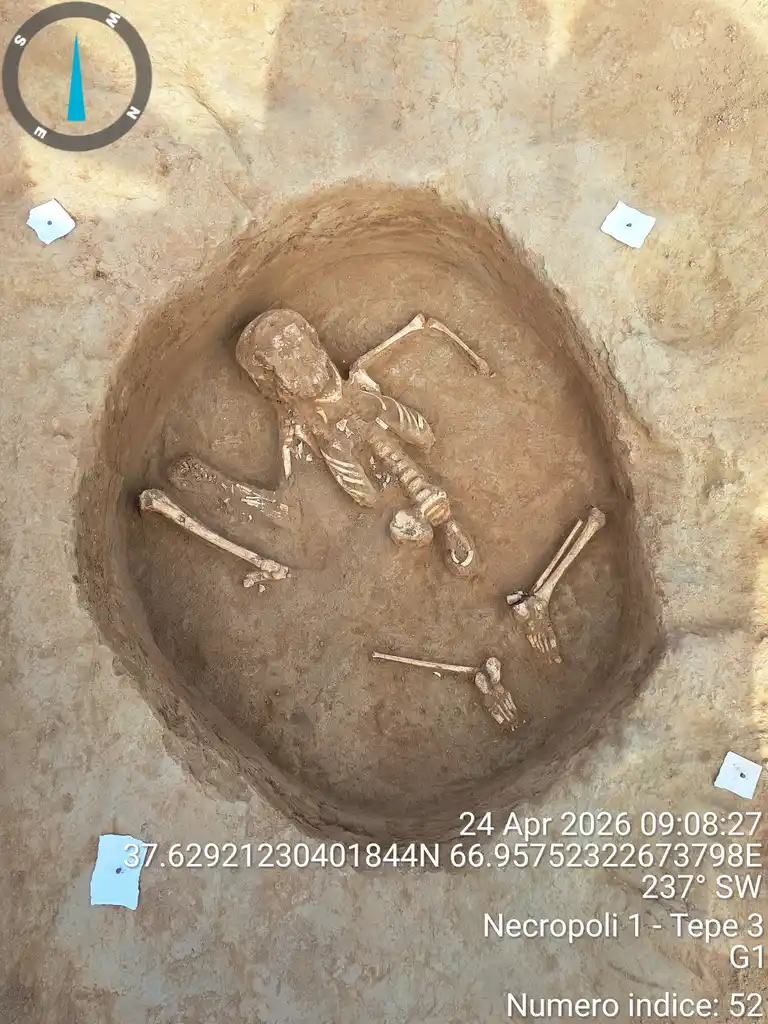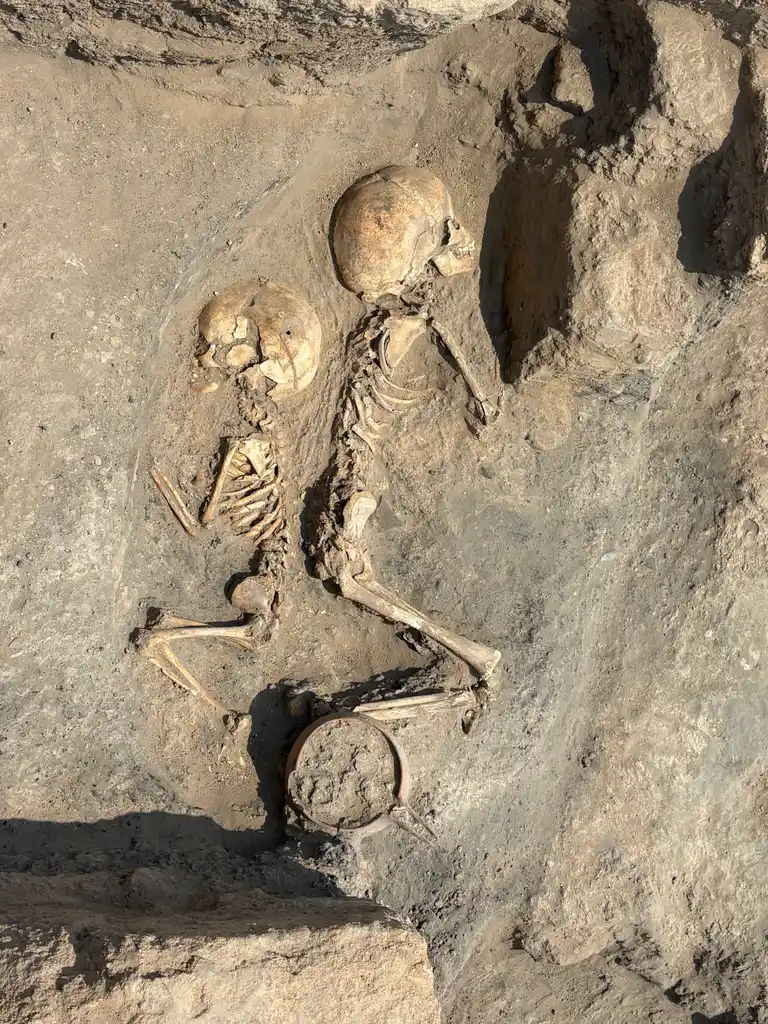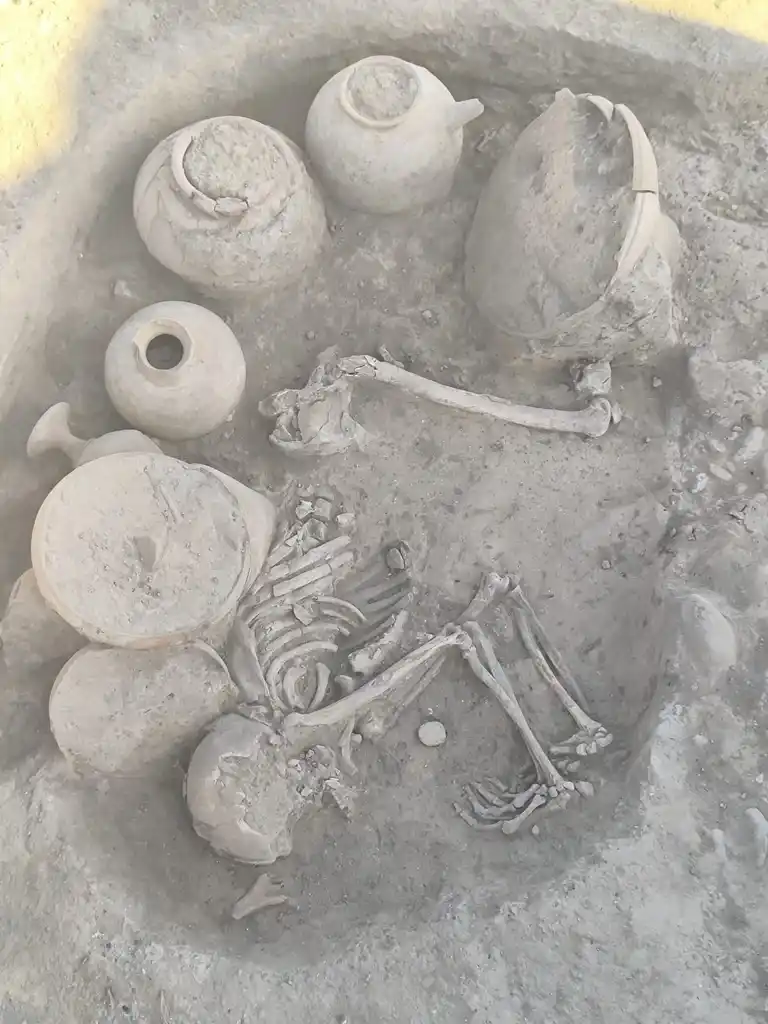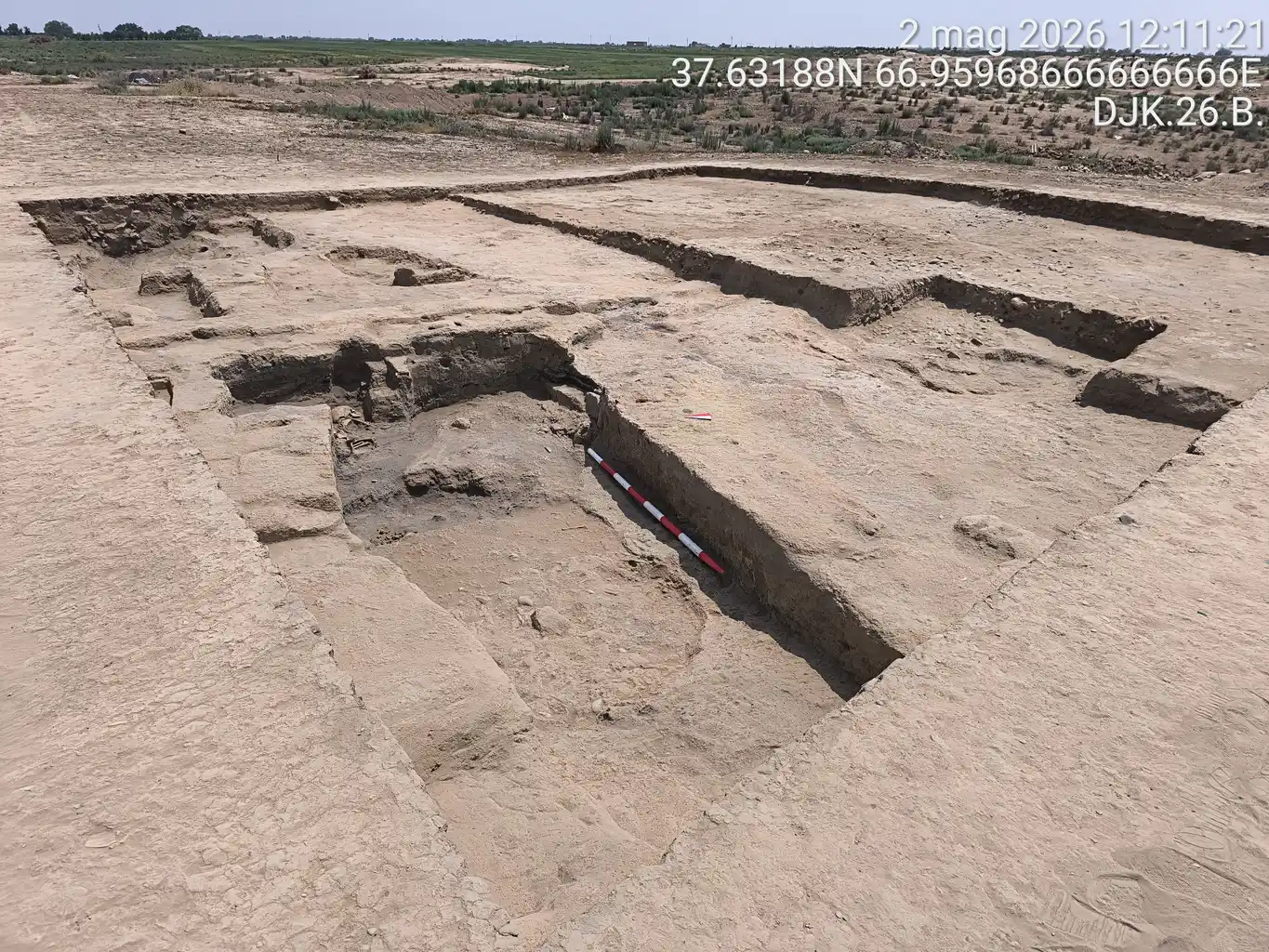
Two children have been discovered during the latest Italian-Uzbek archaeological excavations at Djarkutan, the most important settlement in so-called ‘Northern Bactria’. One of the two bears signs of neurosurgery on the skull, documented for the first time in Central Asia, dated to the final centuries of the third millennium BCE.
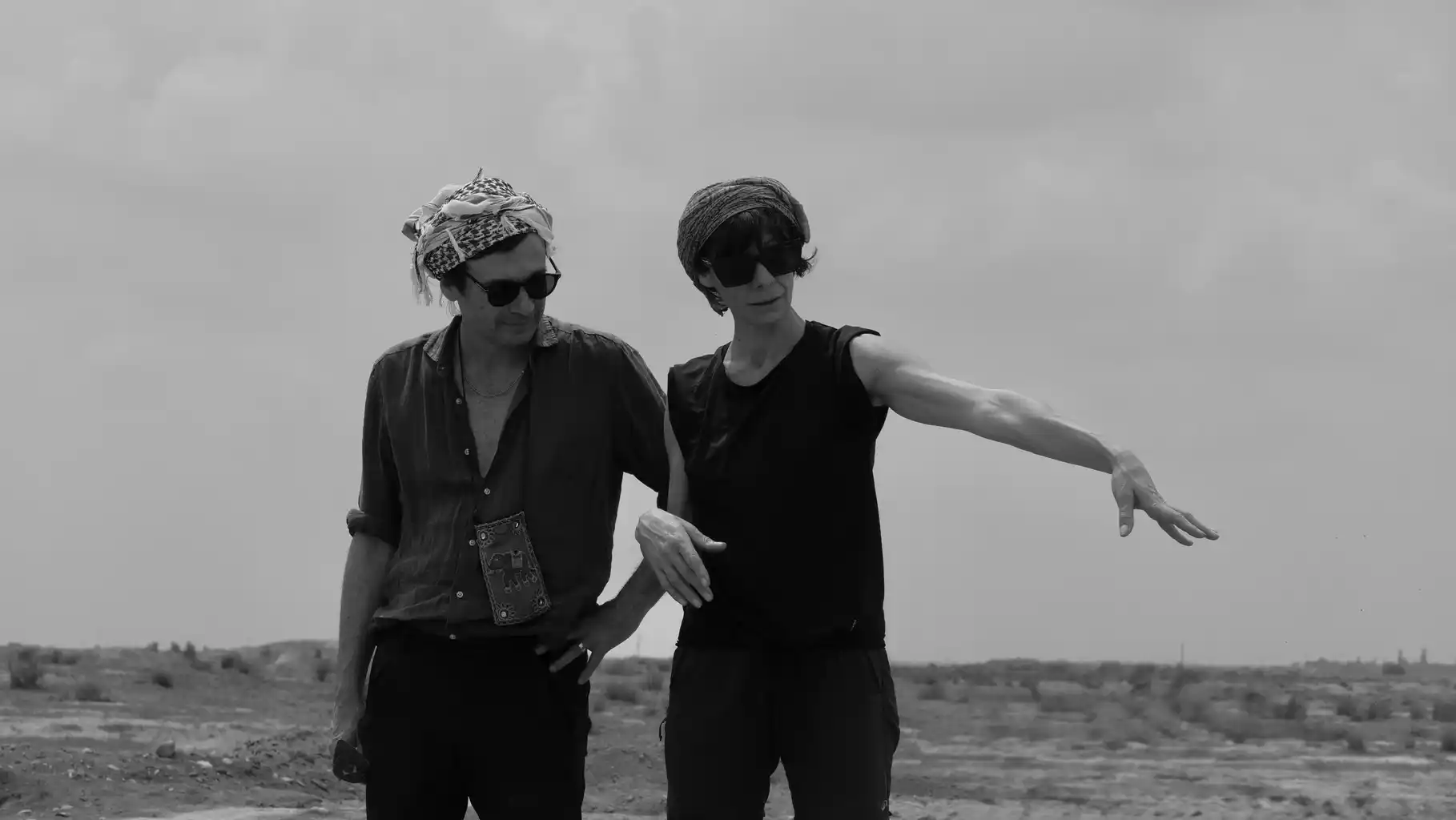
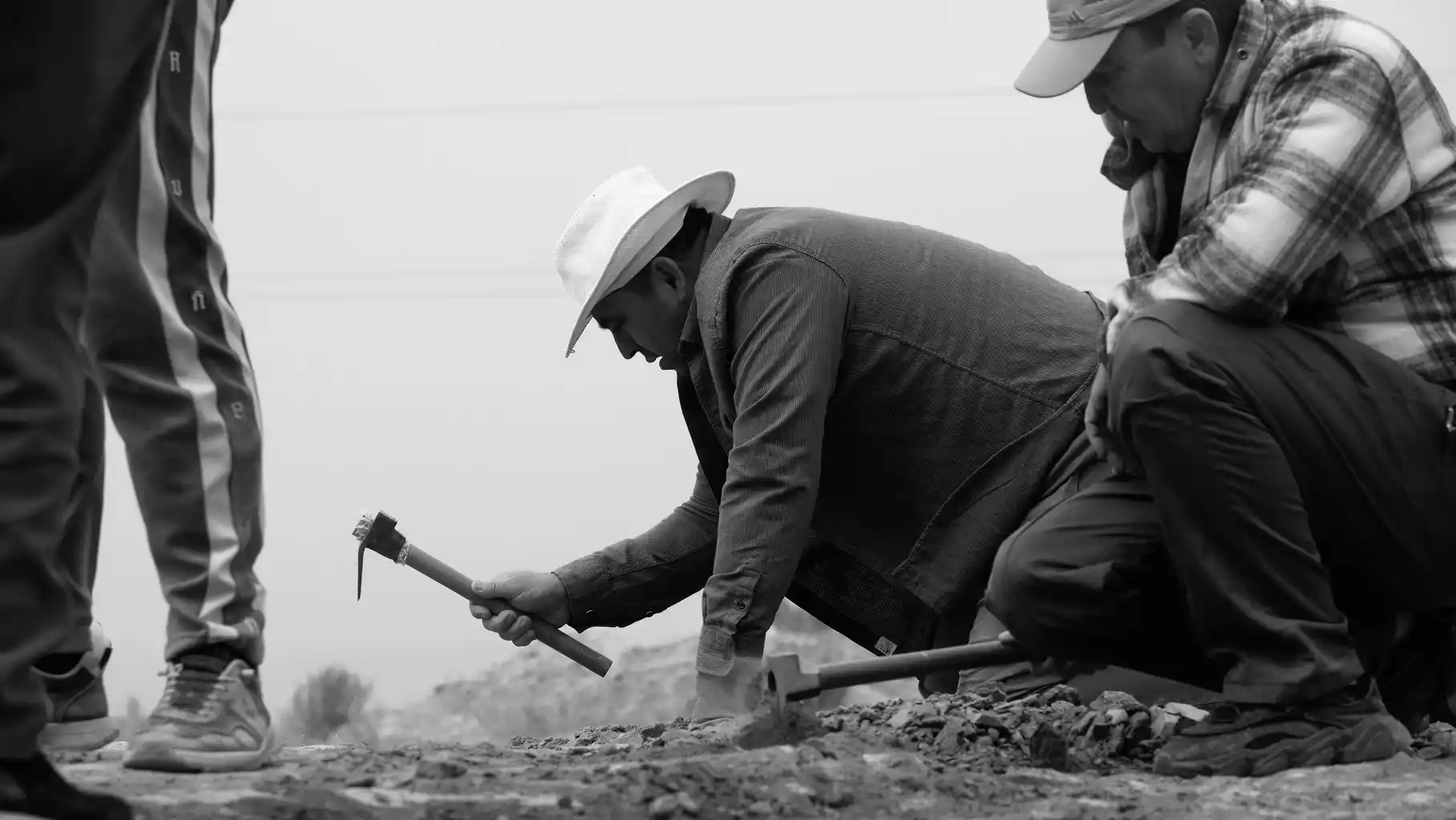
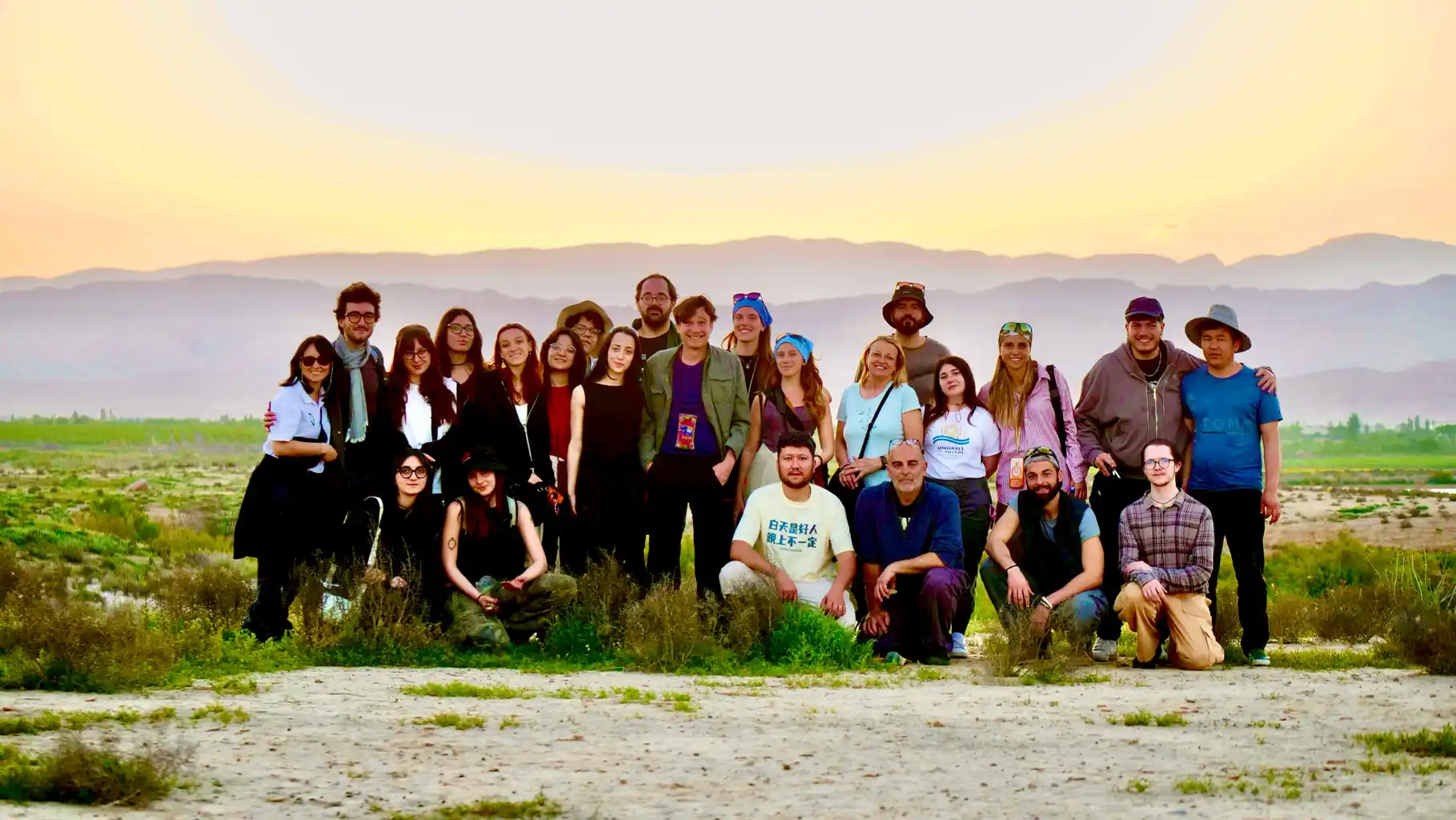
The research project, launched in 2024 under the joint leadership of Professor Enrico Ascalone of the University of Salento, Professor Alisher Shaidullaiev of the University of Termez, and Dr Komil Rakhimov of the Samarkand Archaeological Institute, adopts a strictly multidisciplinary approach that leads to interdisciplinarity: archaeobotany, archaeozoology, physical anthropology, palaeogenetics, topography and archaeometry all contribute to providing a comprehensive picture of life and death at Djarkutan.
The mission forms part of a wider research programme, promoted by the Italian Embassy in Uzbekistan, which includes investigations at the Iranian sites of Shahr-i Sokhta and Jiroft, in collaboration with the Research Institute of Cultural Heritage and Tourism in Iran. A line of research linking Salento to Central Asia through the long history of Bronze Age civilisations and along those trade routes which, as early as the third millennium BCE, followed paths that would anticipate the more recent routes of the Silk Road.