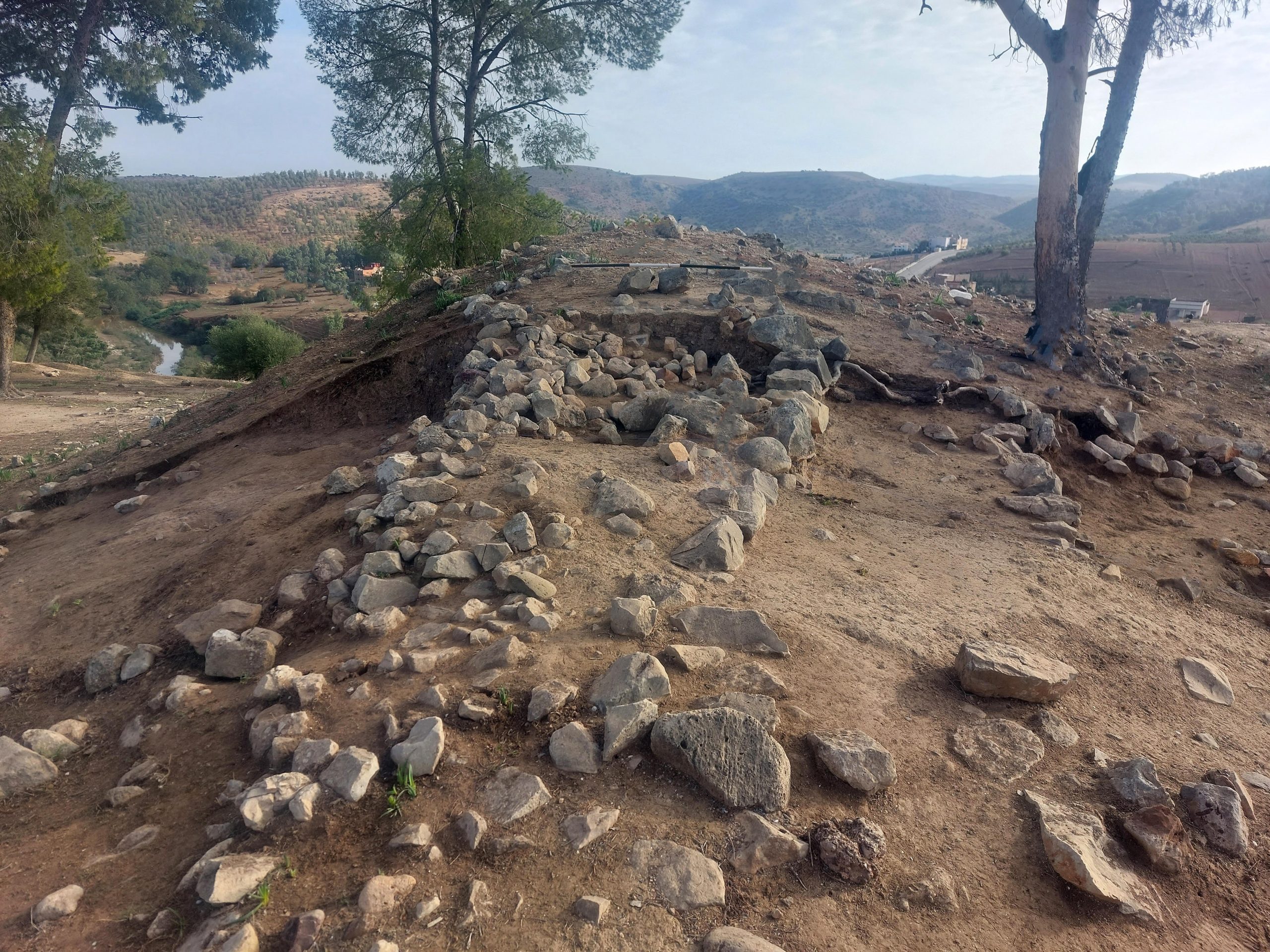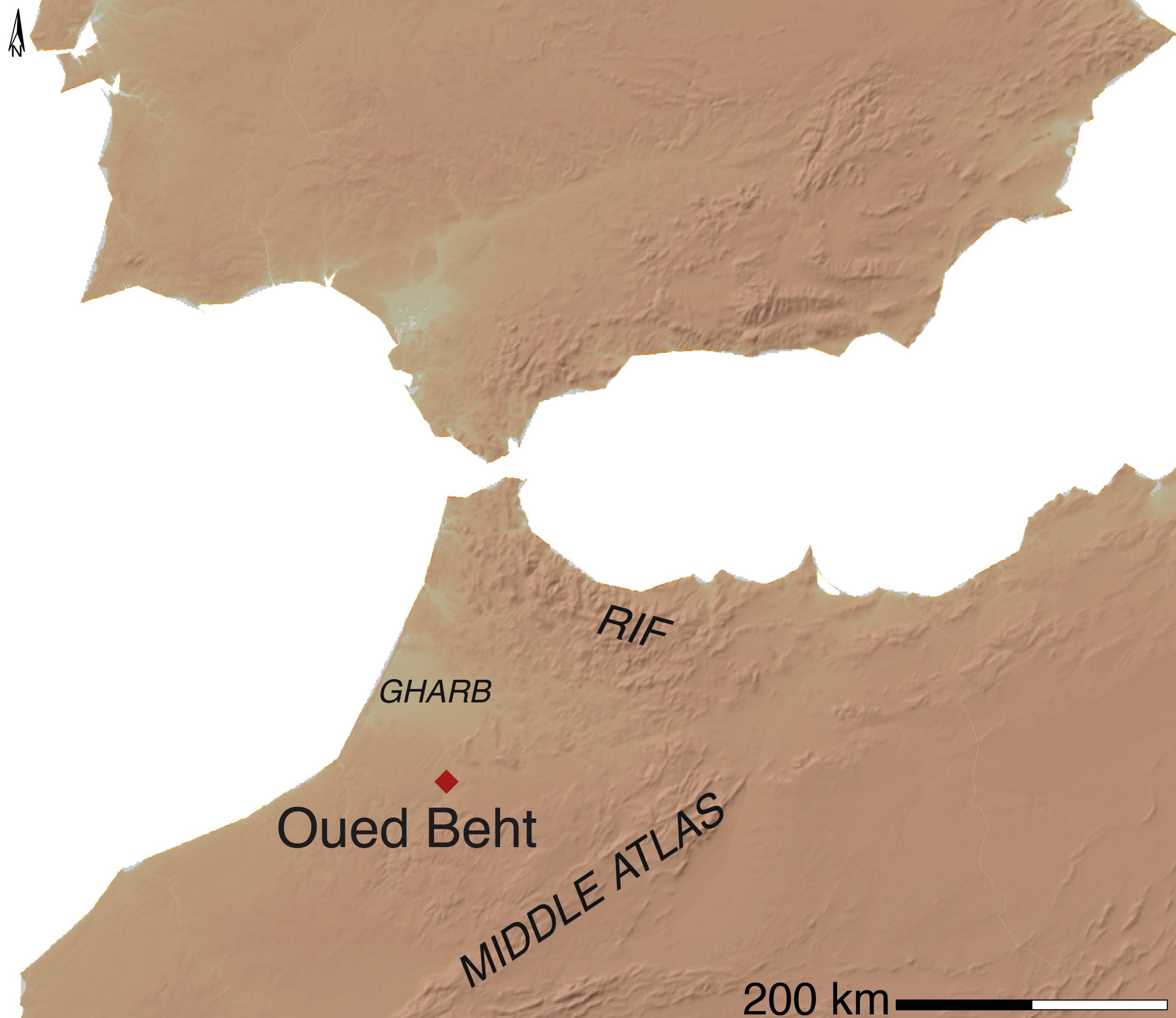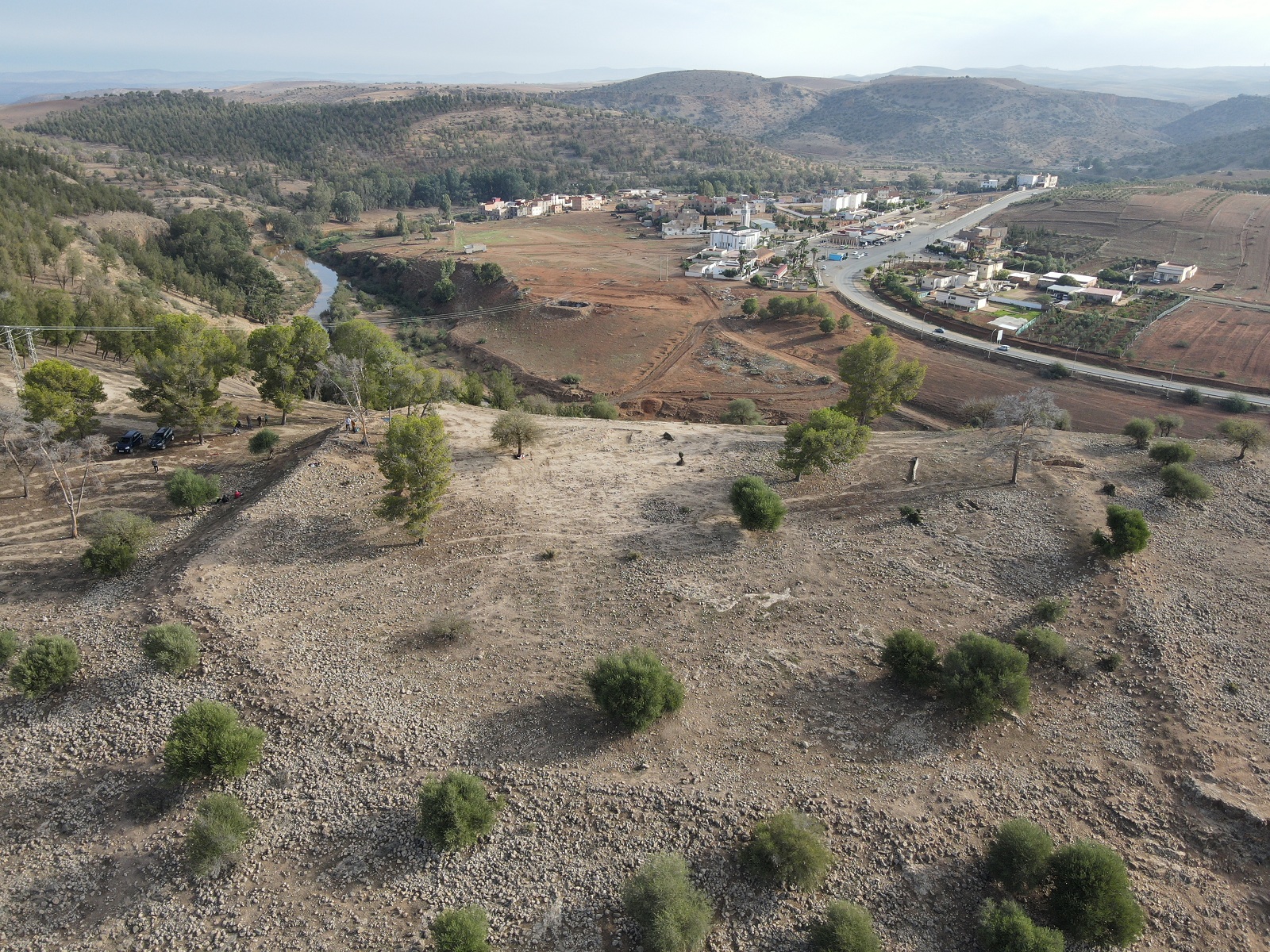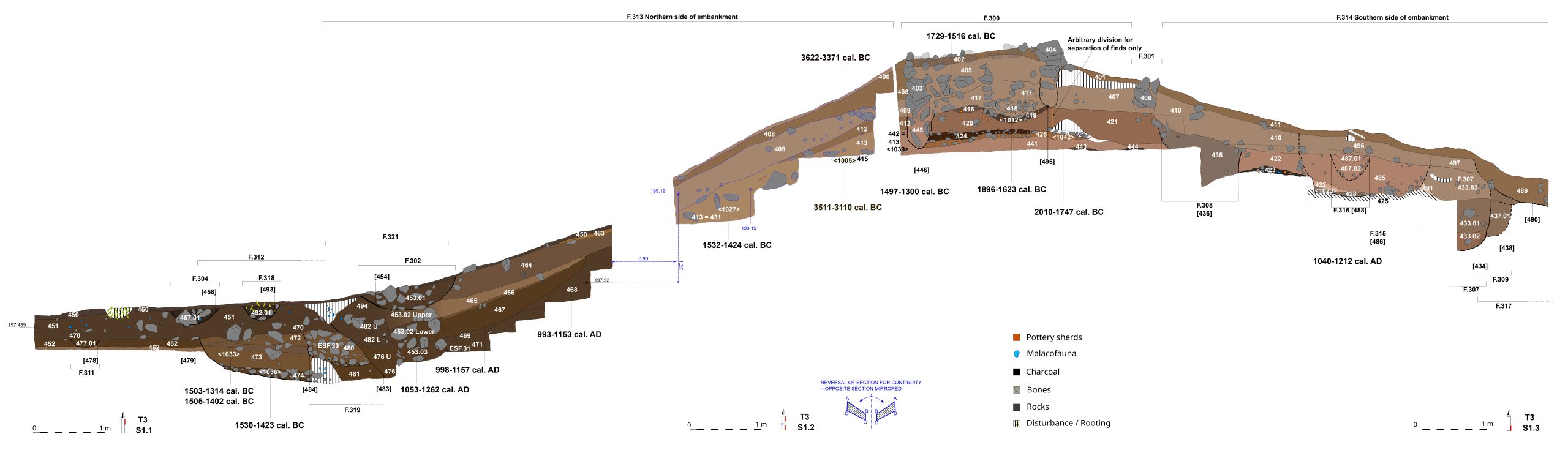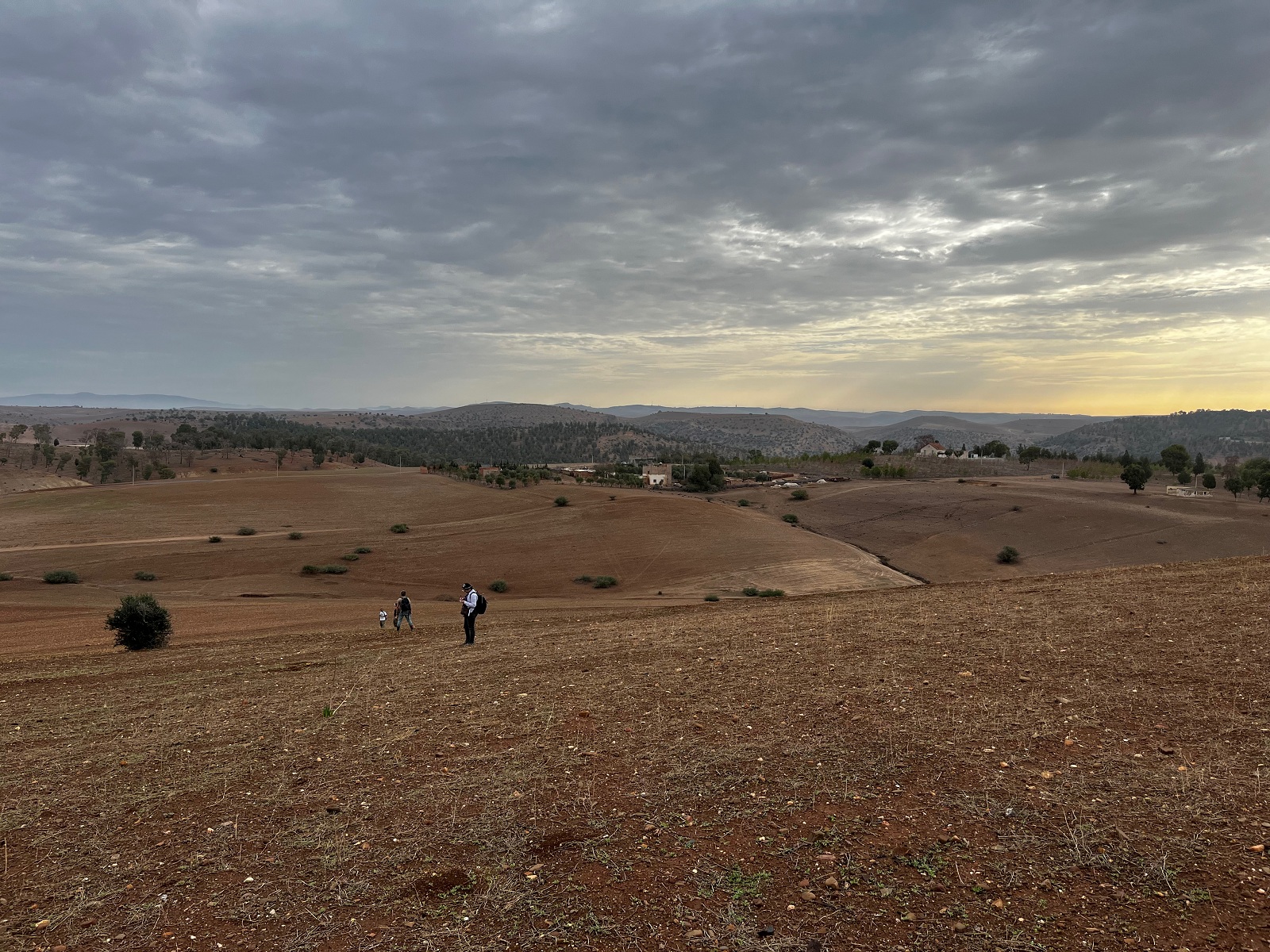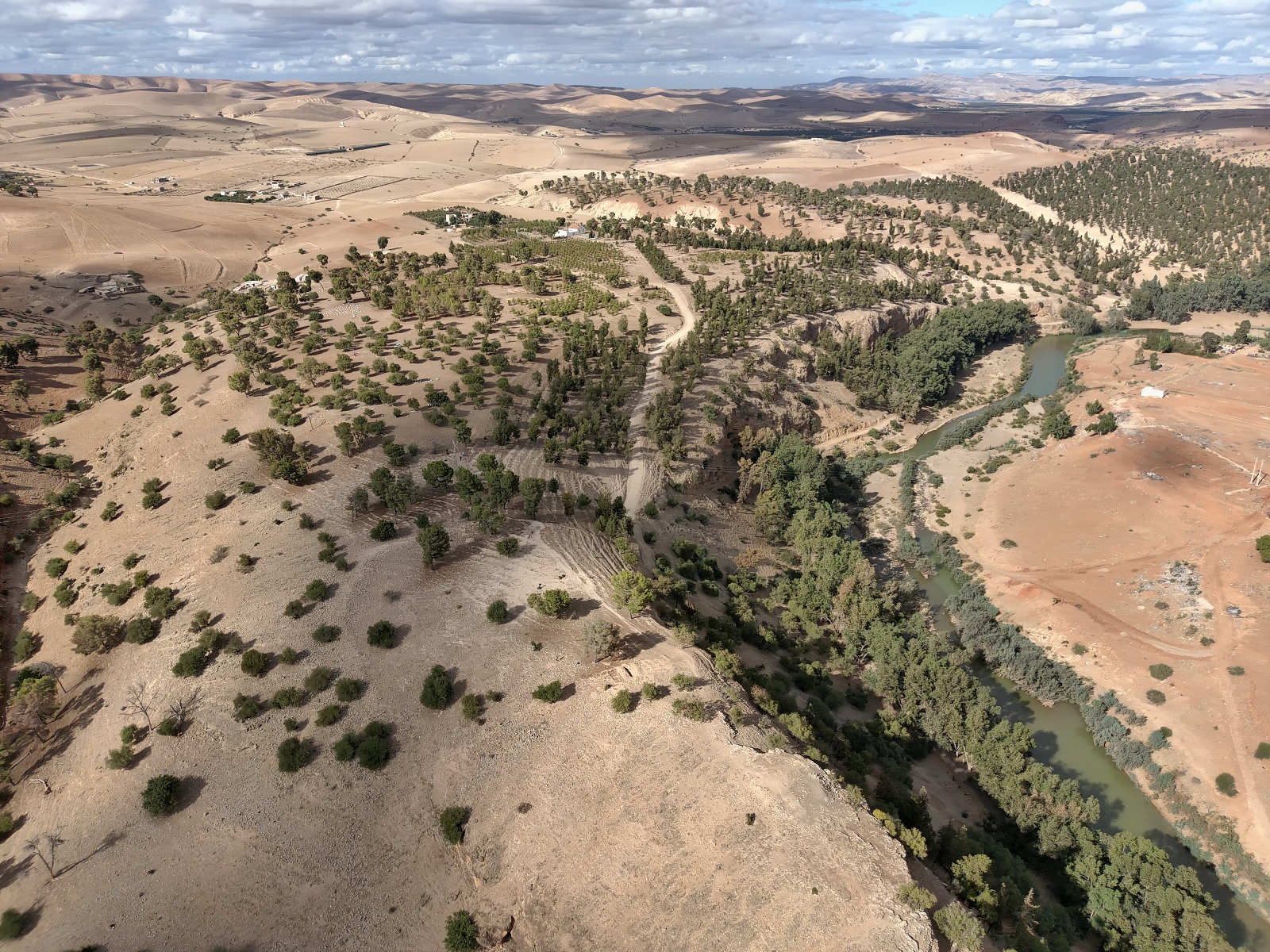
New excavations at Oued Beht, in north-western Morocco, have uncovered the oldest known defensive structure to date in North Africa beyond the Nile Valley: a substantial ditch and rampart dating to the early-to-mid second millennium BC, some 3,500–4,000 years ago (Fig. 1). The discovery, made during the third season of fieldwork by the Oued Beht Archaeological Project (OBAP), resolves an archaeological puzzle that had stood unsolved since the 1930s.
The findings, published open access in the journal Libyan Studies, are the result of a collaboration between Morocco’s National Institute of Archaeological and Heritage Sciences (INSAP), the National Research Council of Italy (CNR), ISMEO – The International Association for Mediterranean and Oriental Studies, and the University of Cambridge. The project is co-directed by Giulio Lucarini, Cyprian Broodbank and Youssef Bokbot.
“For nearly a century, this ridge kept its secret”, said Giulio Lucarini, archaeologist at CNR ISPC and ISMEO, co-director of the project and lead author of the study. “This discovery now forces us to look at this landscape with fresh eyes. Our research shows that communities in north-western Maghreb were capable of conceiving and carrying out major works through collective undertakings, on a scale we had not previously been able to document.”
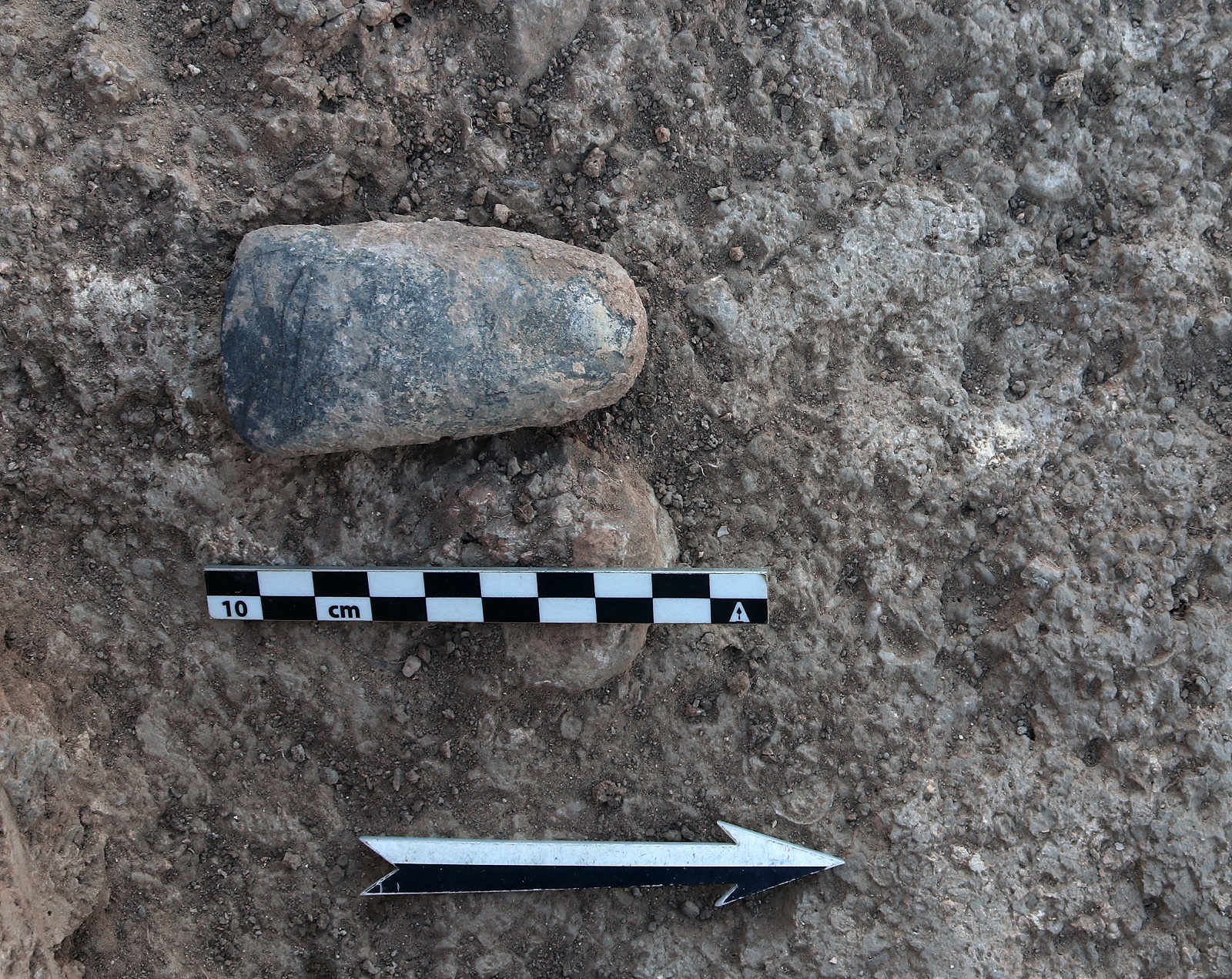
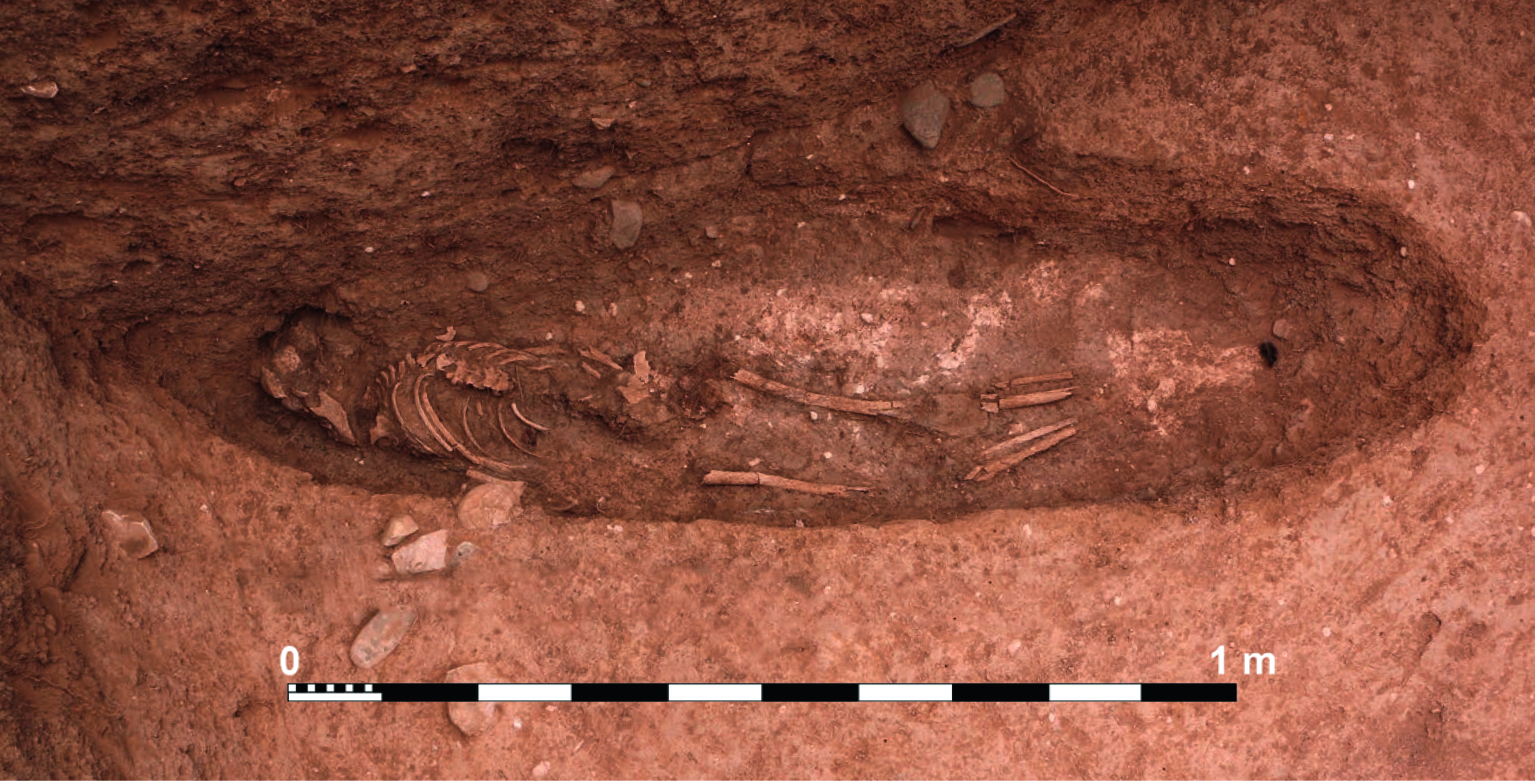
Taken together, these discoveries paint a picture of Oued Beht as a lived-in landscape, transformed and reoccupied over five millennia: from the first Neolithic farmers, through the builders of the great Bronze Age works, to the communities who returned to settle there in the medieval period.