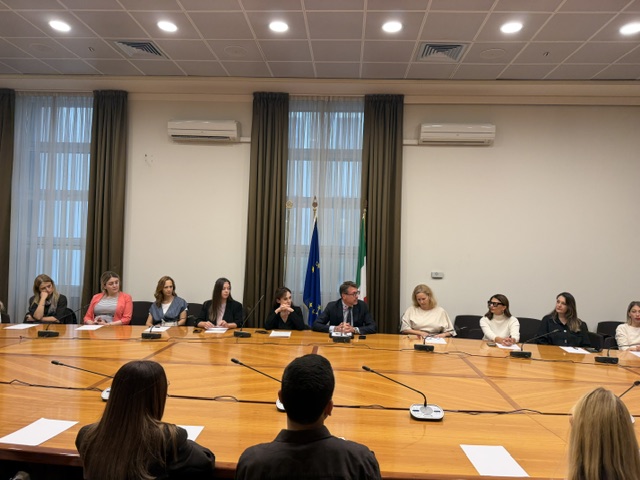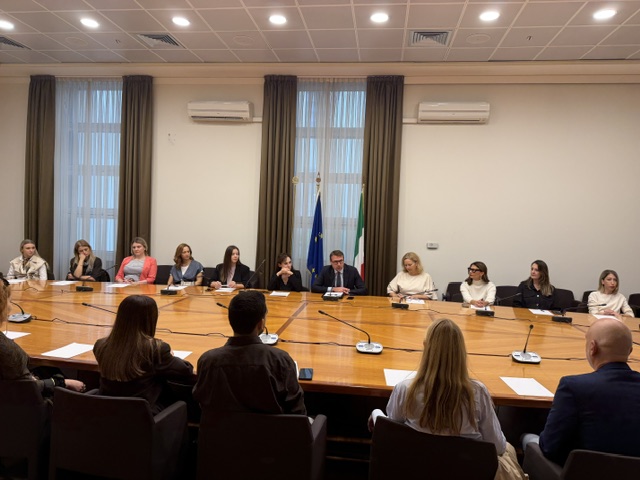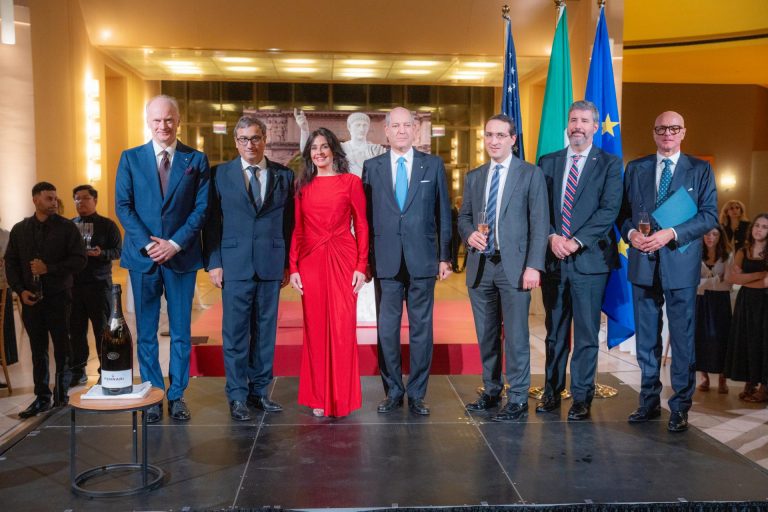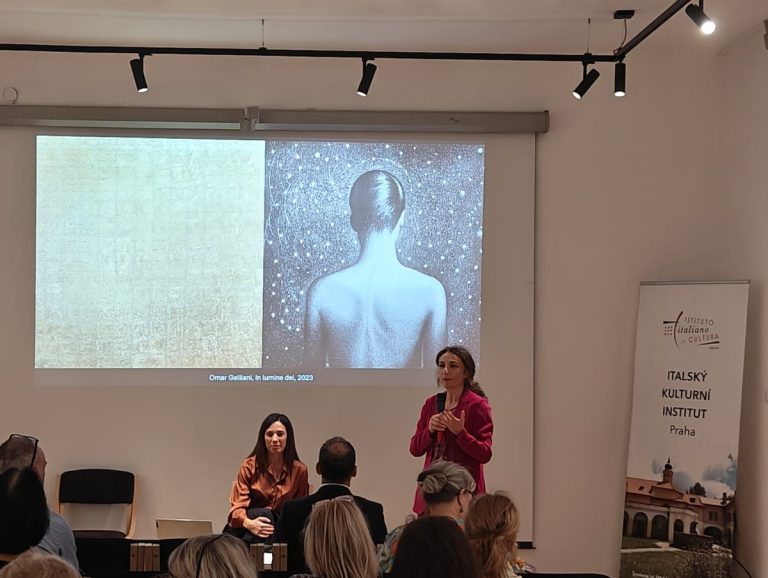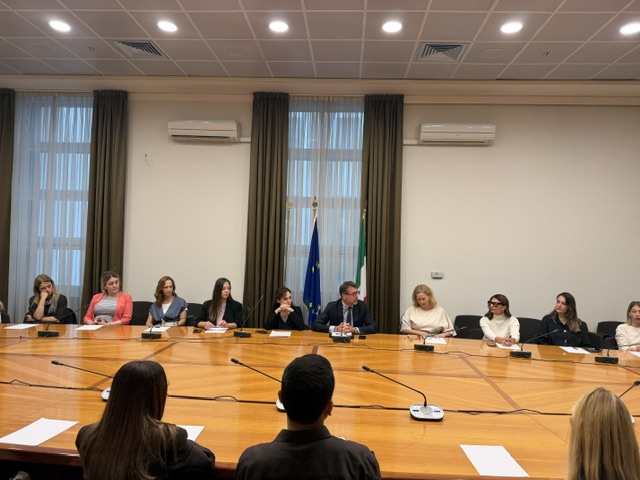
The training programme “Museum Accessibility as Shared Culture and Collective Practice” began yesterday, 12 October, at the Foreign Ministry. Promoted by the Italian Ministry of Foreign Affairs and International Cooperation and organised by MAXXI’s Public Engagement and Training Offices, the programme opened with a welcome from diplomatic officials Letizia Sant’Angelo and Valerio De Parolis on behalf of the Ministry.
The programme brings together museum directors and professionals from the Adriatic-Balkan region to exchange expertise and good practices in accessibility, audience participation and organisational innovation. It takes a broad view of museum accessibility: beyond removing physical barriers, accessibility is treated as an approach that runs through governance, language, the interpretation of heritage, services, communication and engagement with audiences. Through lectures, workshops and case studies, the programme aims to build a transnational community of professionals and provide practical tools for starting processes of change within the participating institutions.
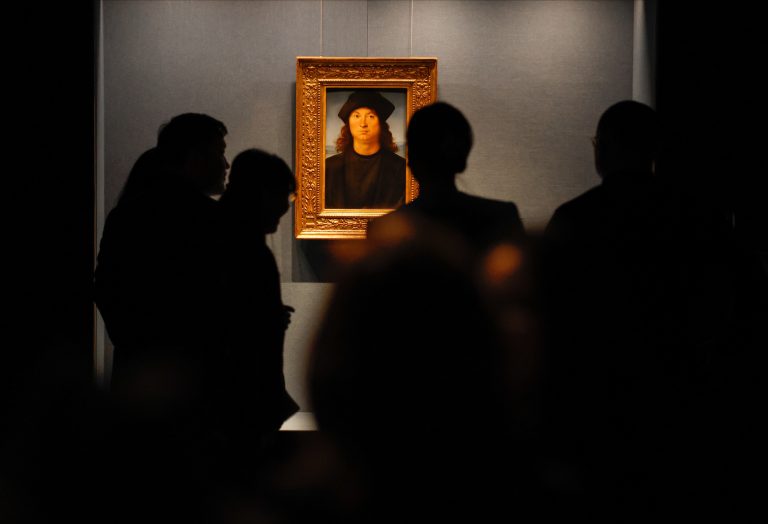
The Rome phase, running from 12 to 14 October, began with a visit to the Foreign Ministry’s Contemporary Art Collection, followed by activities at MAXXI focused on participation, agency and mapping barriers in museums. Visits to the National Museum of Musical Instruments, the National Etruscan Museum of Villa Giulia and the Capitoline Museums – Centrale Montemartini are scheduled for the following days, providing further case studies on the relationship between heritage, interpretation and accessibility.
The initiative is part of the Ministry’s cultural diplomacy efforts, showcasing Italy’s heritage and the expertise developed by its cultural institutions. Building on an initial programme held in Belgrade in 2025, it has been extended to the Adriatic-Balkan region to strengthen professional networks, encourage cooperation between museums and promote joint projects. The programme will continue until December with a series of webinars on heritage interpretation, accessibility as an organisational practice and the social role of museums.