The Dublin Metro project, namely MetroLink, was formally adopted by the Irish Planning Commission last autumn, thus completing a three-year permit application evaluation process. This decision marks the start of what will be a major and ambitious infrastructure project for the country, once construction begins.
Initially proposed over twenty years ago under the name Metro North, the initiative underwent years of reconsideration and complex public consultation phases. The current government, however, has opted for a definitive change of direction, resuming funding as part of the recent revision of the National Development Plan. The political choice is clear: to make up for the country’s historical delays in transportation and infrastructure, thus strengthening the national economy through significant structural investment.
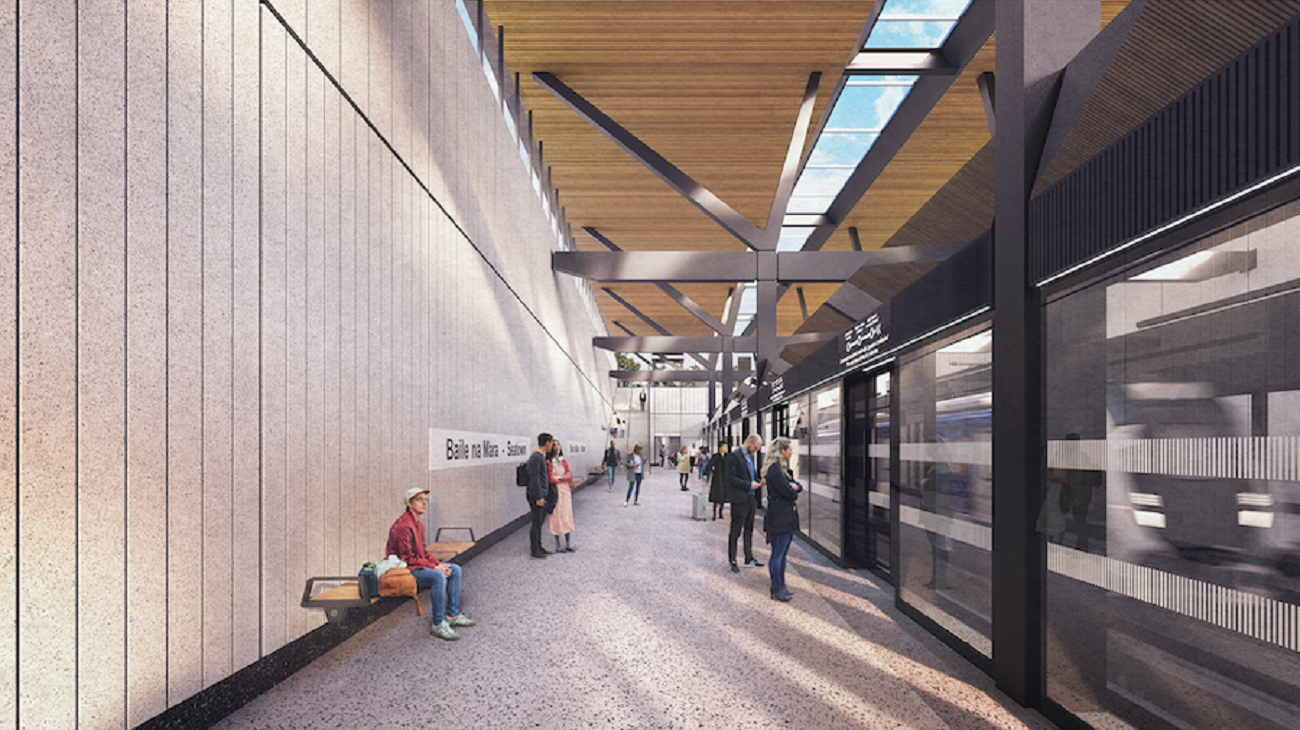
The adopted project outlines a modern and complex engineering feat: a self-driving and fully autonomous metro line that will extend 18.8 kilometres, served by 16 stations. With an estimated cost of over €10 billion, MetroLink will radically change Dublin’s mobility. Trains, scheduled to run every three minutes, will connect the northern area of Swords to Charlemont in the southern part of the city. The result will be a drastic reduction of travel times: it will take just about 25 minutes to travel from Swords to the city centre and just 20 minutes to reach the heart of the capital from Dublin Airport.
With approval from the Planning Committee, which oversees the environmental impact assessment phase, the programme envisages imminent deadlines. The next step (ruling out and barring any possible legal actions) is the financial reassessment by the National Transport Authority. Once this is completed, the tender process is expected to begin in early 2026, with the aim of reaching a final investment decision and awarding the contract by the end of the year. The action plan therefore envisages the opening of the construction sites in 2027 and the operation of the line starting from mid-2030.
Con l’approvazione della Commissione di Pianificazione, che copre la fase di valutazione d’impatto ambientale, il programma prevede scadenze imminenti. Il prossimo step (tralasciando eventuali ricorsi legali) è la rivalutazione economica da parte della Autorità Nazionale dei Trasporti. Superata anche questa, il via alla gara è previsto nei primi mesi del 2026, con l’obiettivo di giungere alla decisione finale di investimento e all’assegnazione dell’appalto entro la fine dell’anno. Il piano d’azione prevede quindi l’apertura dei cantieri nel 2027 e l’operatività della linea a partire dalla metà del 2030.