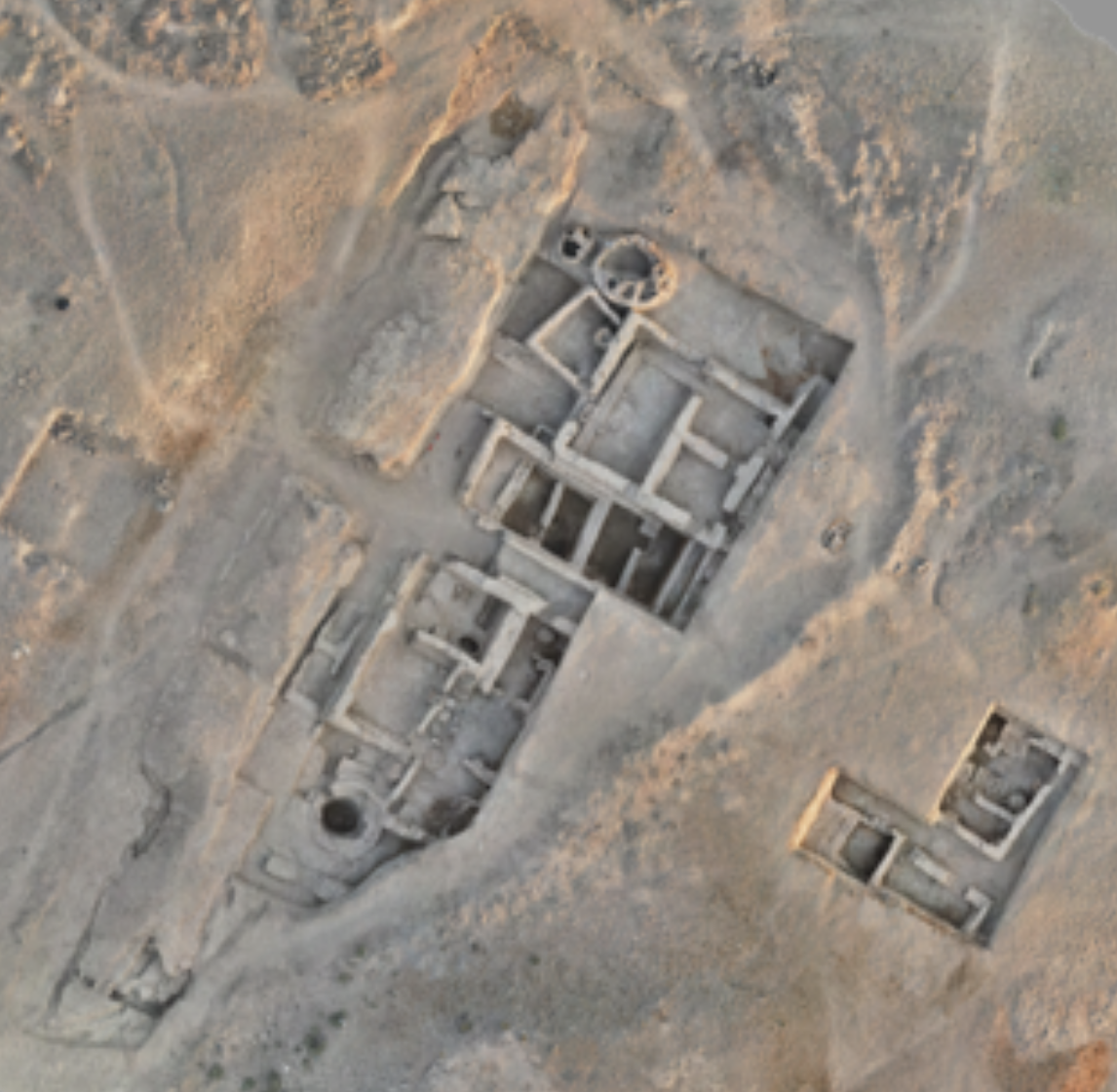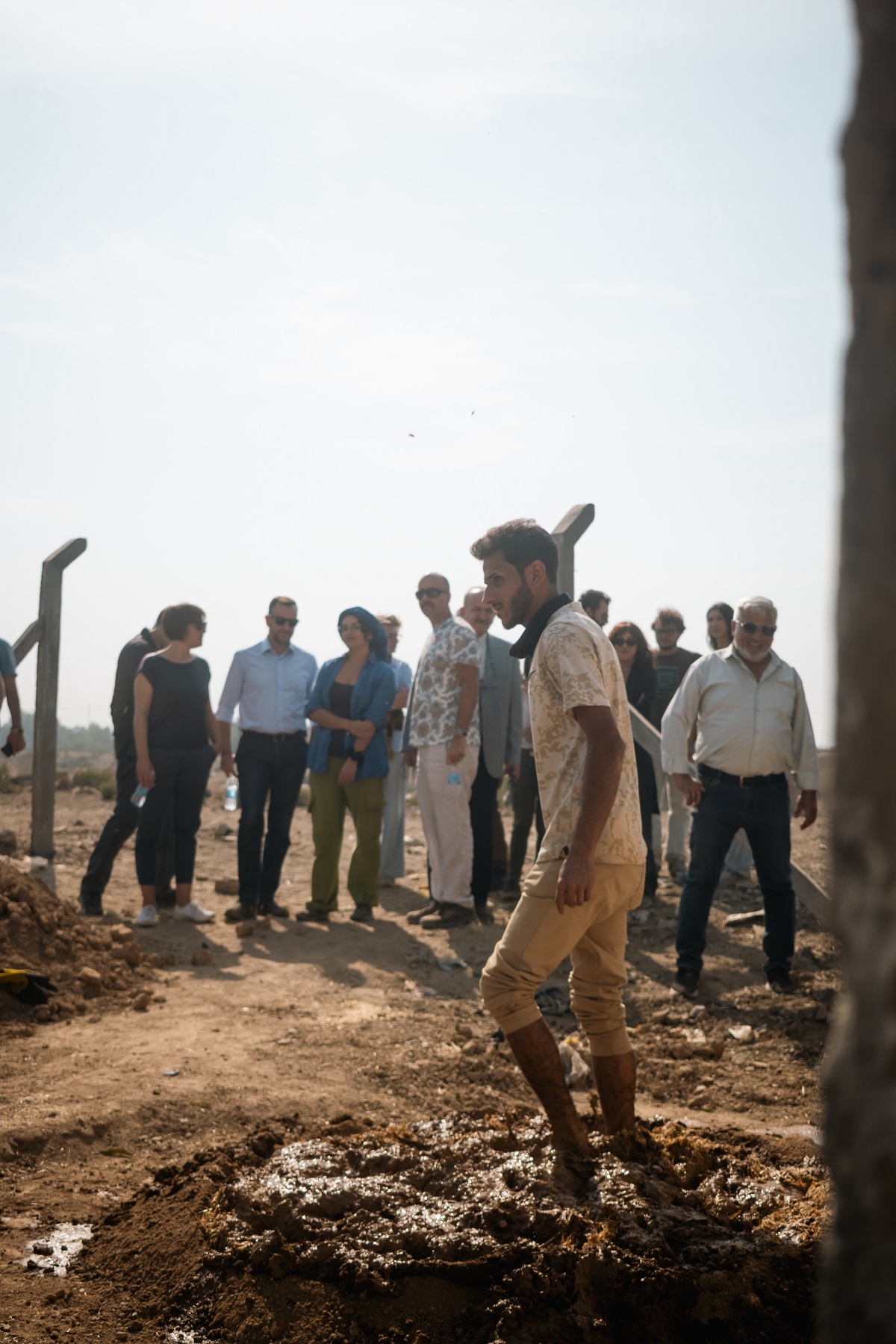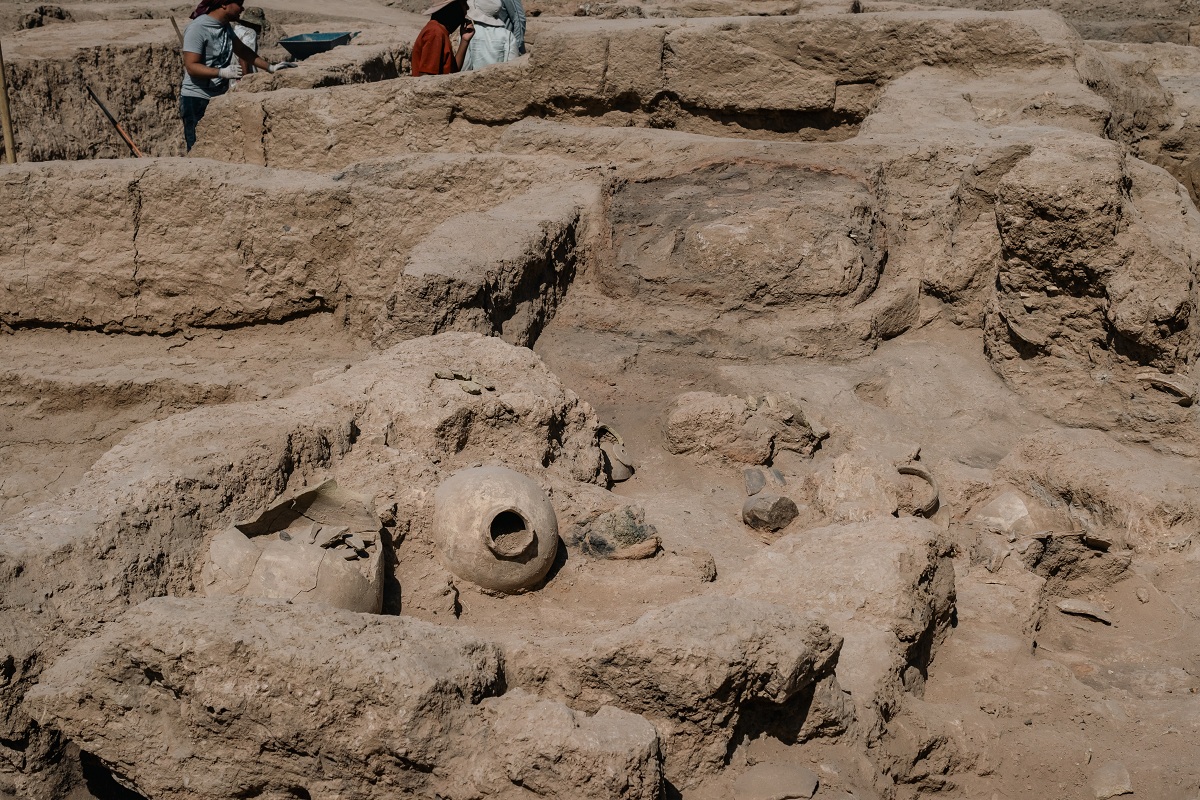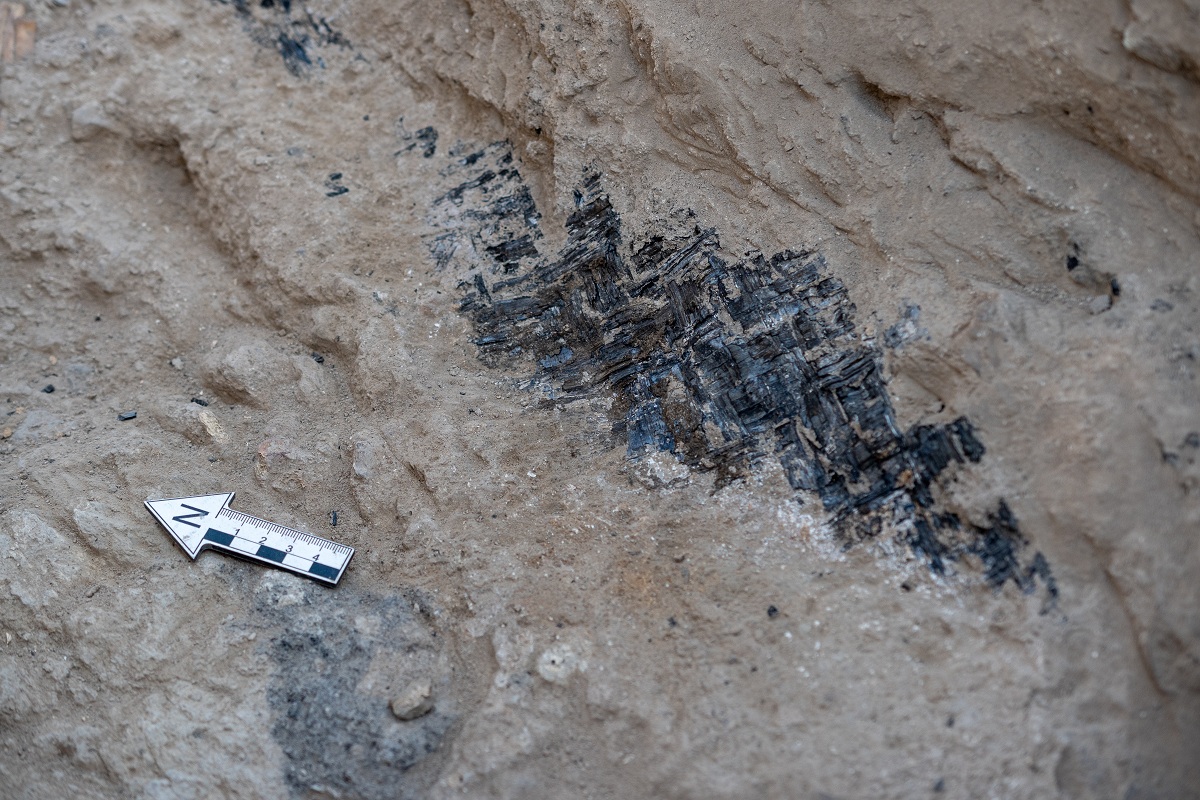
Located today on the southern outskirts of present-day Baghdad, the historic site of Tell Muhammad represents one of the most significant settlements of ancient Mesopotamia. After investigations demonstrated the site’s importance during the time of Hammurabi of Babylon, interest in Tell Muhammad has been revived thanks to the Baghdad Urban Archaeological Project, promoted by the University of Catania in collaboration with the Iraqi State Board of Antiquities and Heritage and supported by the Italian Ministry of Foreign Affairs. The mission resumed excavations in 2022, bringing to light an exceptional heritage: among the most significant findings are a system of defensive walls—with a monumental gate—from the Old Babylonian period (ca. 1900–1600 BC), residential and artisanal structures, and ancient water management systems.
Daily life, production, and funerary rituals in ancient Mesopotamia
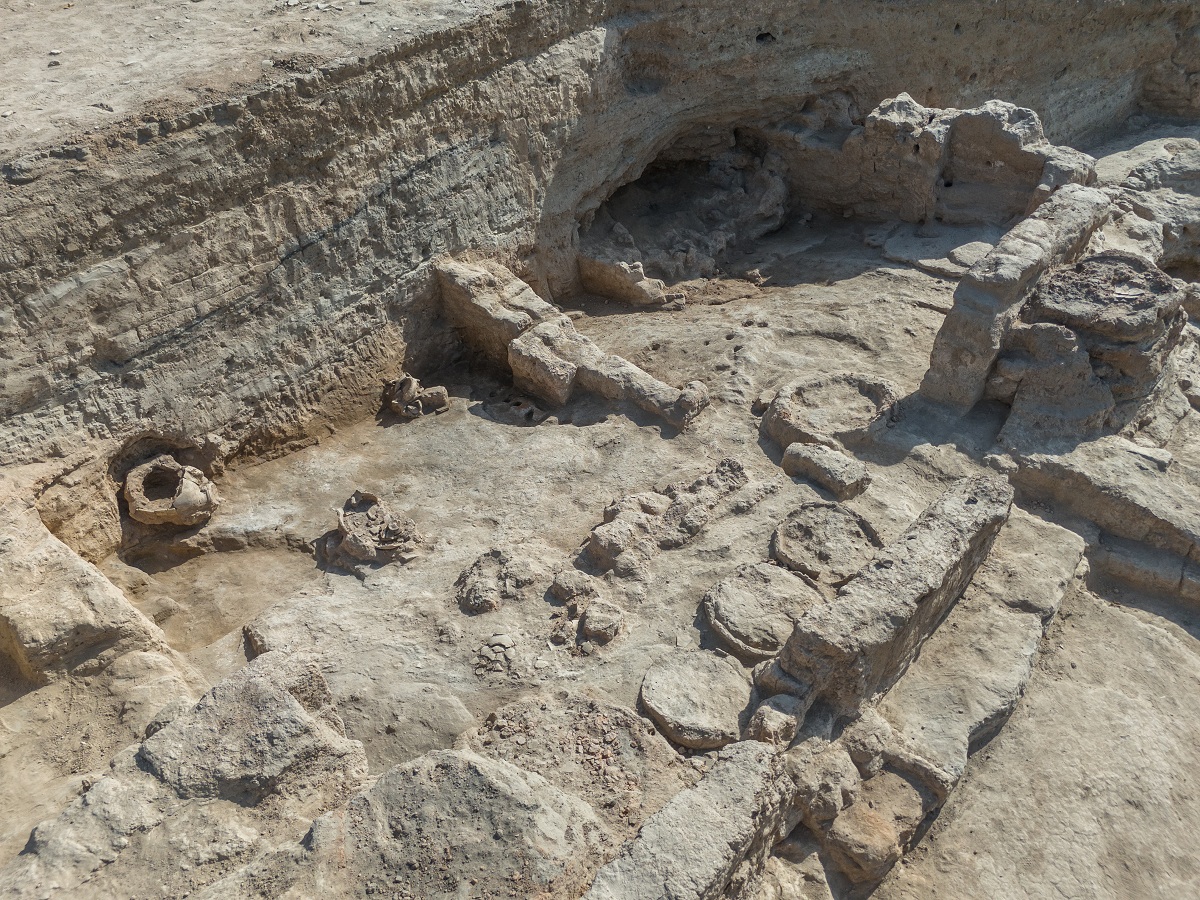
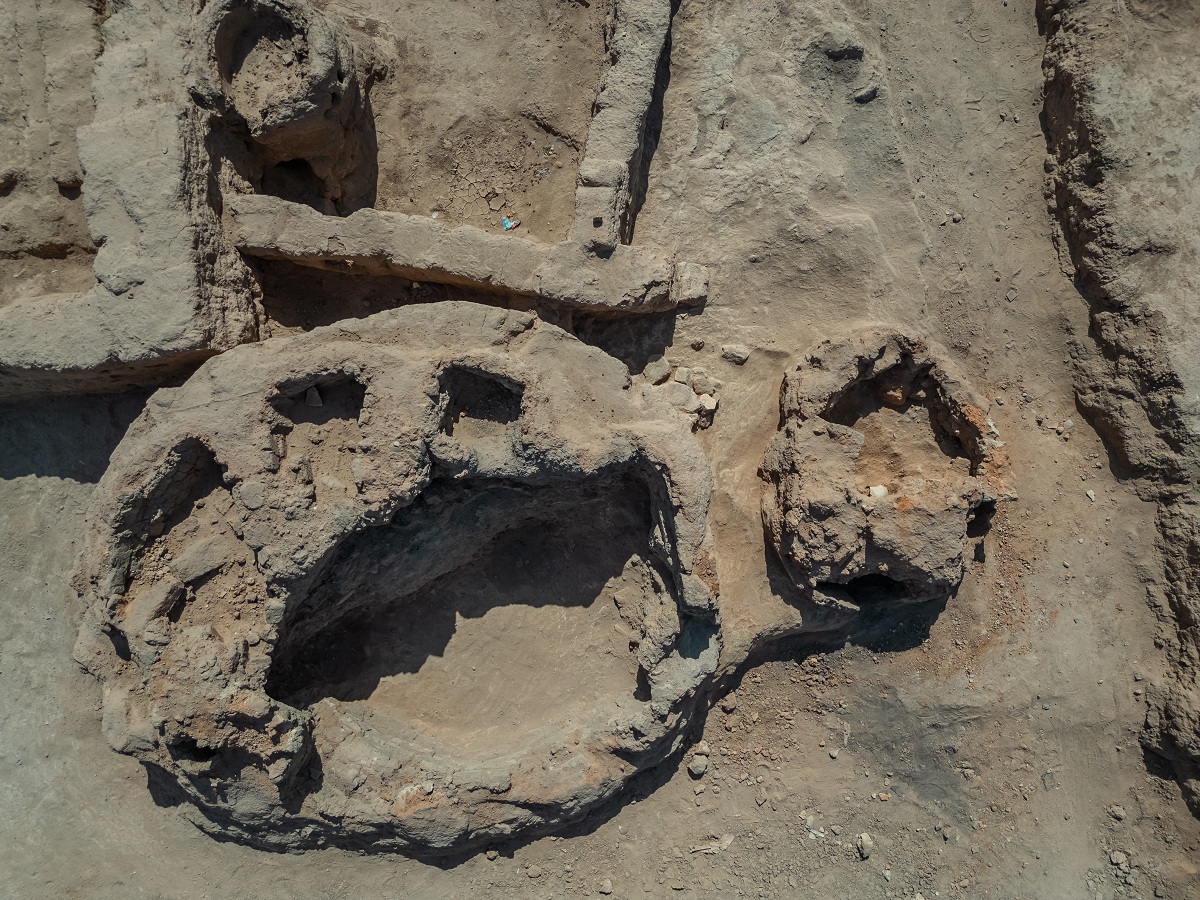
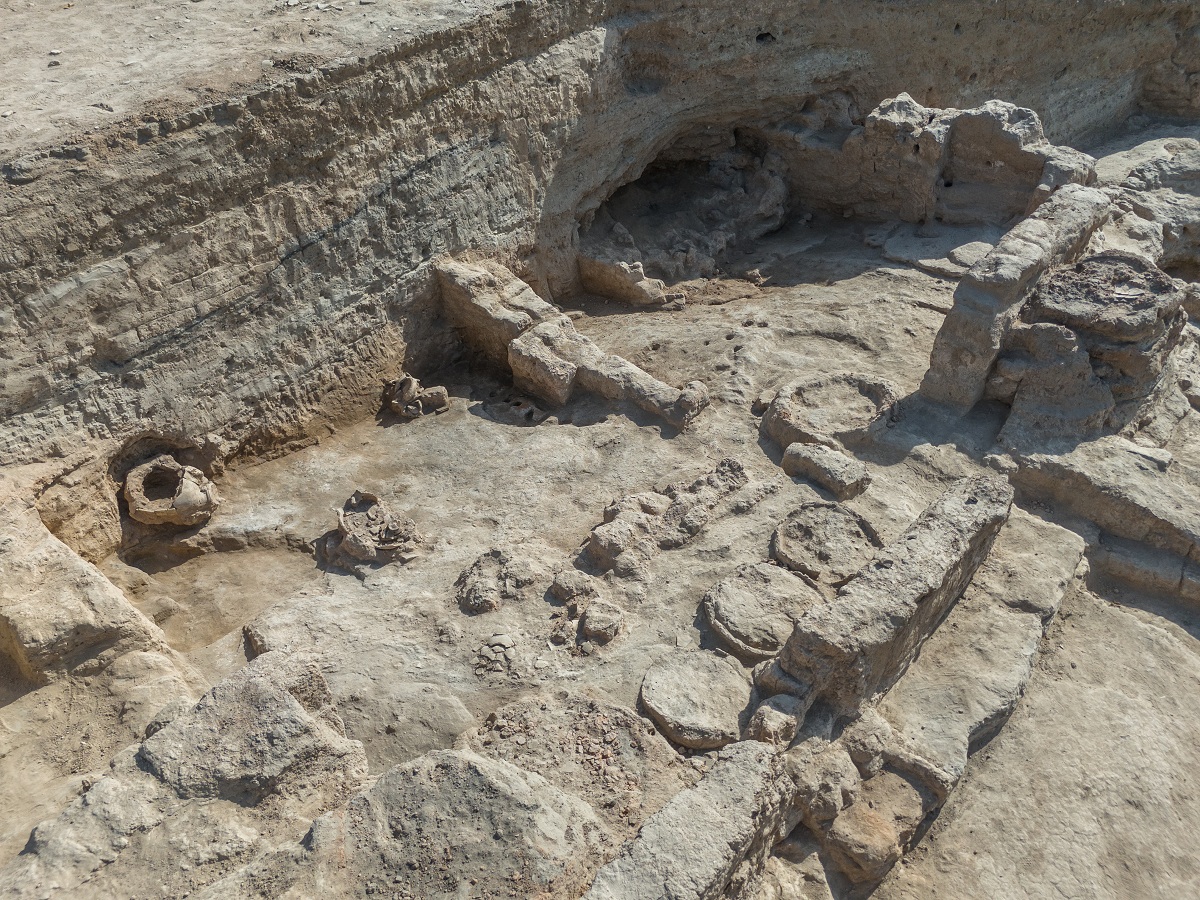
During the latest excavation campaign, which concluded a few weeks ago, archaeologists uncovered large production areas located within buildings near the northern fortifications. Specifically, rooms from the time of Hammurabi of Babylon were uncovered, representing a sort of forge with a series of ovens and fire-related installations. Here, food production intermingled with metal production, as evidenced by the discovery of a nearly intact terracotta crucible containing the remains of metal smelting, one of the few examples found in archaeological contexts in Mesopotamia.
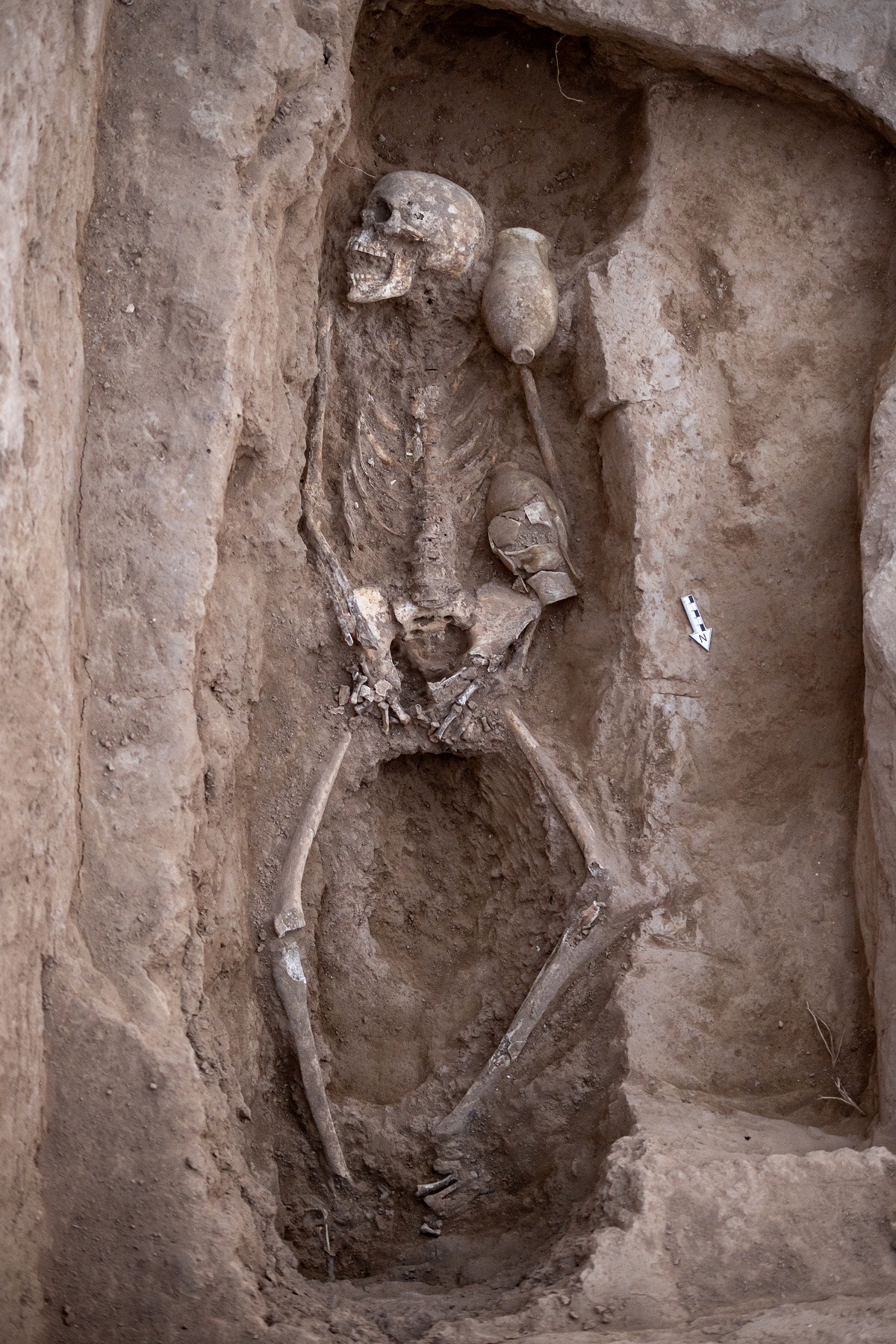
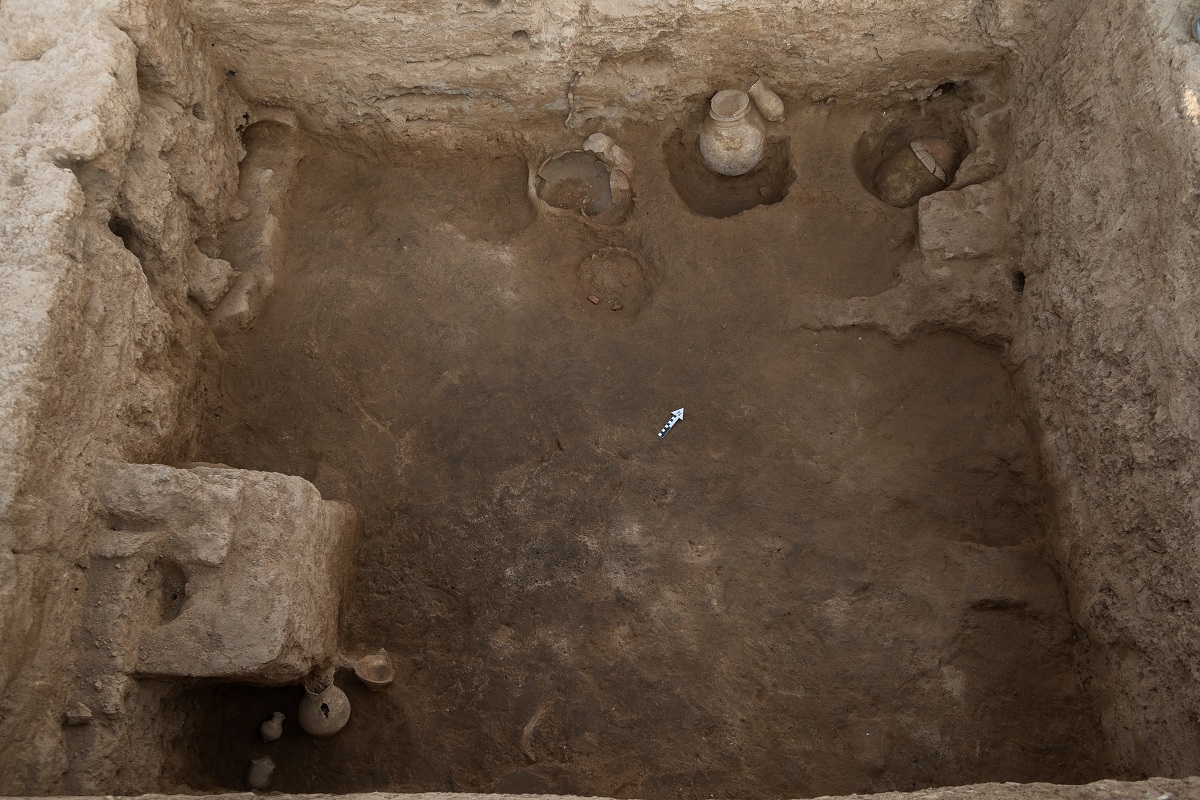
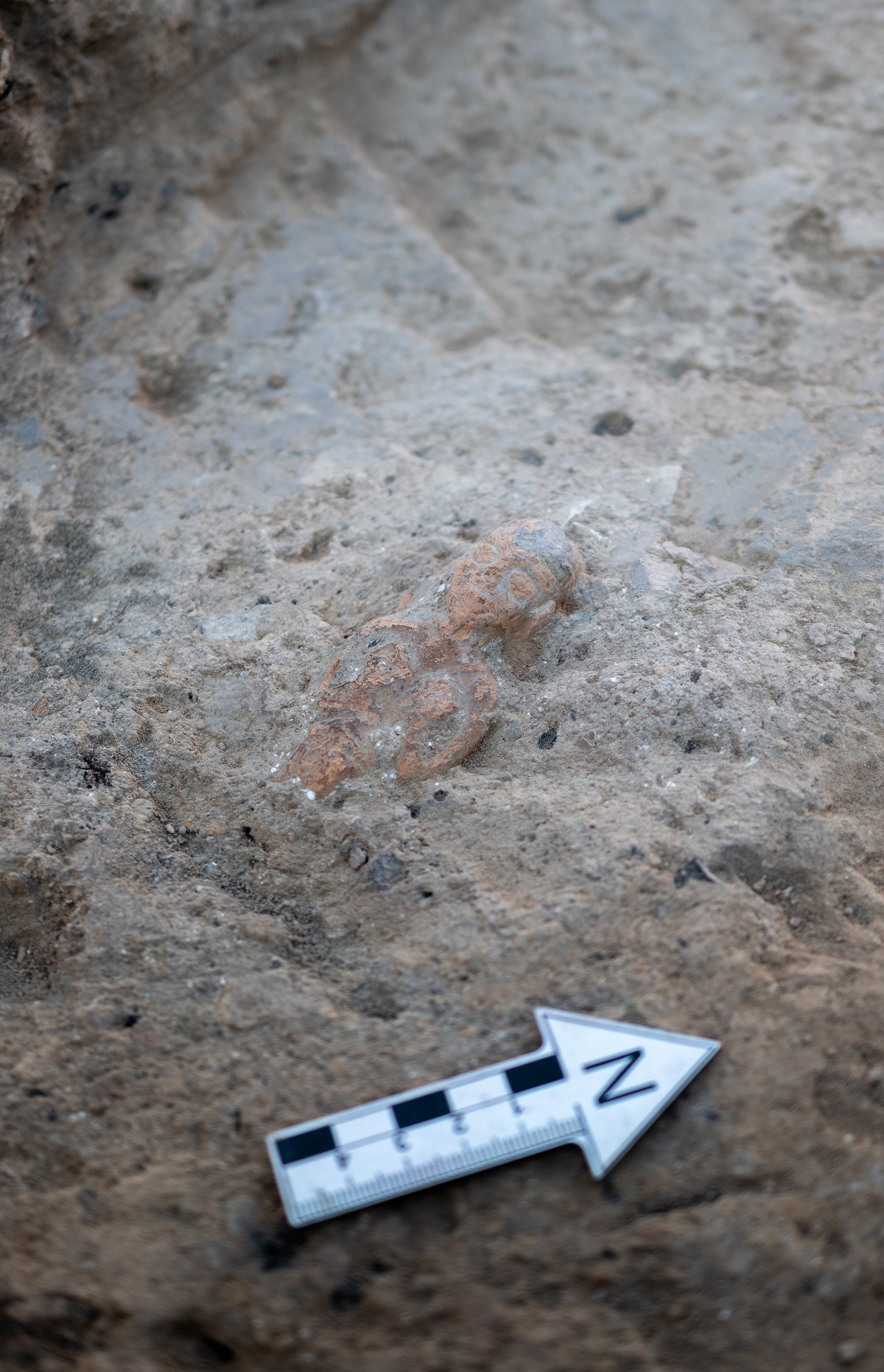
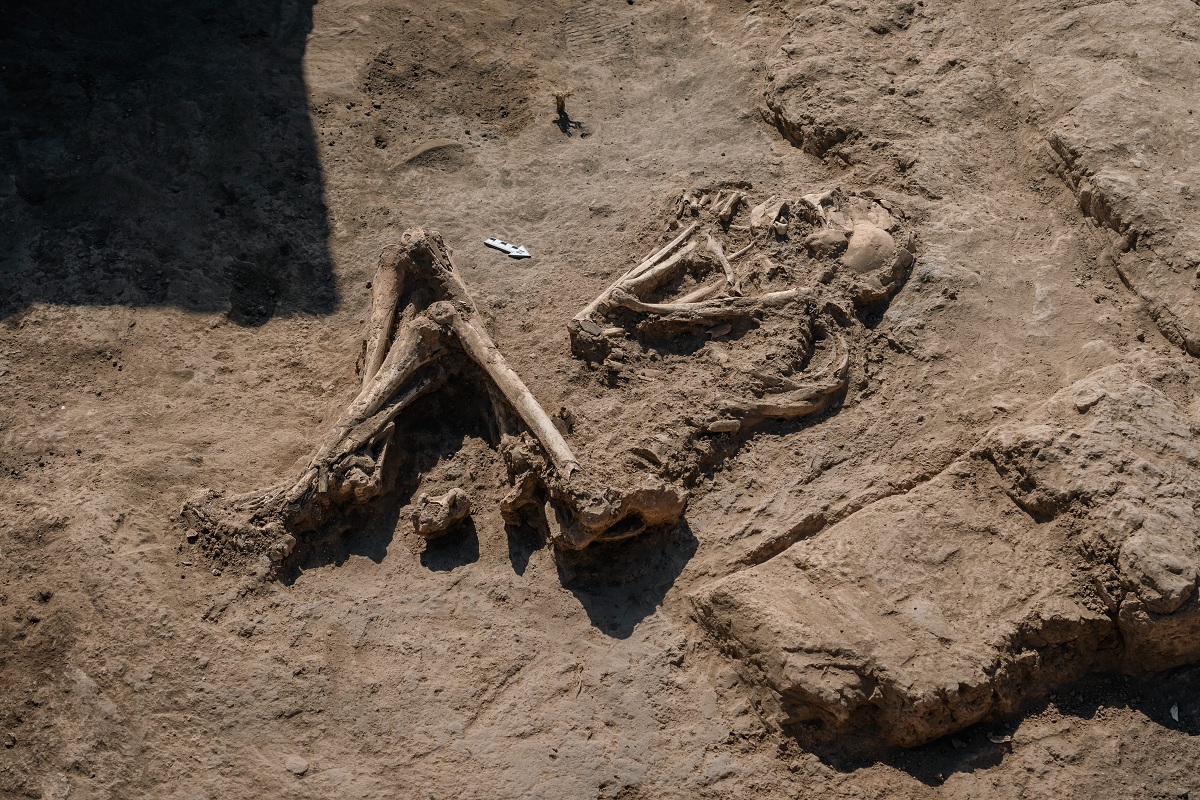
But the extraordinary aspect of this season was the presence of tombs located beneath the floors of these buildings. The dead thus continued to follow the living through a contiguity between production spaces and those dedicated to the underworld. The burial method for infants and adults differed, but the locations were the same, as evidenced by a room dedicated to the cult of the dead, with an altar still bearing the remains of libations. In this room, infants were placed inside ceramic vessels next to an adult with legs spread and hands on the pubic area, holding two ceramic cups representing the funerary objects. Mesopotamian texts remind us that the remembrance of the deceased (called kispum in Akkadian) occurred exactly as evidenced by the archaeological context just described. At Tell Muhammad, the connection between life and death must have been a constant link, not only thanks to the presence of tombs within the buildings or altars dedicated to the cult of the dead, but also thanks to the iconography recognizable in numerous seals and terracotta figurines.
Toward the Future: A Cooperation Project to Boost Cultural Tourism in Iraq
In conclusion, Tell Muhammad emerges today as a key site for understanding the political, economic, and cultural complexity of Mesopotamia. Its walls, canals, ceramics, and temples tell the story of a living, layered, and multifaceted city—a city that is no longer simply a “testimony to the past,” but a tangible bridge between us and thousands of years of human history. Its future narrative will be foreshadowed thanks to the Tell Muhammad and Tell Harmal archaeological park, part of the ArTourBagh cooperation project funded by the Ministry of Foreign Affairs and International Cooperation (MAECI) through the Italian Agency for Development and Cooperation (AICS), and which involves the Universities of Bologna and Catania, coordinated by Professor Nicolò Marchetti.