Japan’s new Strategic Energy Plan – the seventh – reflects the urgent need to strengthen energy security through efficiency, source diversification, and decarbonization. For the first time, Japan has set the goal of maximizing the use of renewable energy as the primary source of electricity, aiming for an energy self-sufficiency rate of 30-40%, compared to the current 15.2%.
To achieve this strategy, Japan aims to strengthen the electricity grid and regional interconnections, but also to improve the business environment by introducing financing schemes and tenders that increase the predictability of returns on investment in large-scale, long-term projects. Specifically, the aim is to expand the share of wind power, currently quite limited (1.1%), to 4-8% through the installation of offshore plants with a capacity of 10 gigawatts (GW) by 2030 and 30-45 GW by 2040, including 15 GW of floating wind power.
In the 2040 energy mix, nuclear power – now seen as a stable and constant energy source, ideal for the development of data centres and semiconductor factories—will account for 20% (up 11.5 percentage points from the current 8.5%), while thermal power for electricity generation will fall to 30-40% (down from the current 68.6%).
LNG (liquefied natural gas), which currently supplies 32.8% of electricity generated, will play a crucial role as a transition fuel: its supply will increase by 10% by 2040.
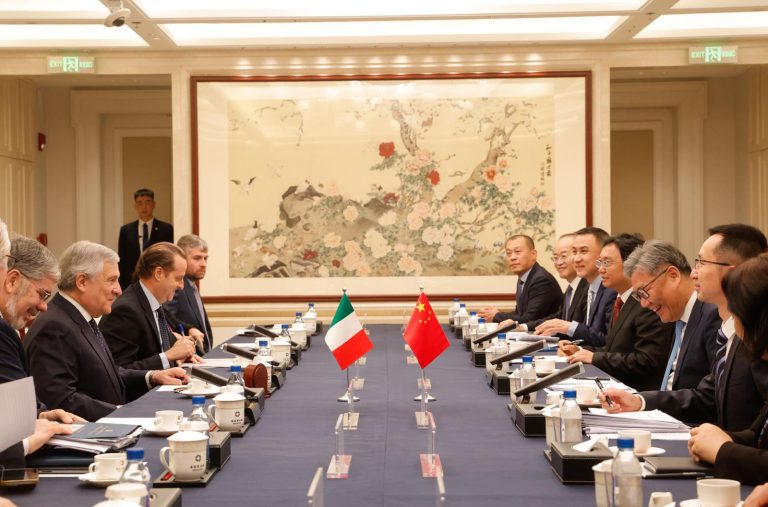
The plan calls for incentivizing the private sector to acquire stocks through long-term contracts and implementing energy diplomacy initiatives – such as the Asia Zero Emission Community (AZEC) and support for upstream projects in Asia and Africa – to strengthen the international supply chain. This includes the agreement signed between ENI and JOGMEC (Japan Organization for Metals and Energy Security) in October 2024 for LNG procurement and collaboration in Mozambique.
Hydrogen and its derivatives (ammonia, synthetic methane, and synthetic fuels) also play a key role in decarbonisation. The same holds true for the development of innovative technologies for CCUS (Carbon Capture, Utilization, and Storage) and smart plant management (AI/IoT). Japan, a leader in technologies related to hydrogen production, transportation, and combustion, aims to build an international clean hydrogen supply chain capable of stimulating global demand and ensuring stable supplies for the country.
The goals are ambitious, i.e. to reach a price of 30 yen (0.17 euros) per Nm³ and annual consumption of 3 million tons by 2030, then increase to 12 million tons in 2040 and 20 million in 2050, with a cost of less than 20 yen (0.12 euros) per Nm³. The government has allocated approximately 3 trillion yen (17 billion euros) to bridge the price gap compared to traditional sources, as well as funding for the construction of strategic hubs (hydrogen valleys) that incentivize the use of the carrier in various sectors, from electricity, transportation, and infrastructure, to hard-to-abate sectors such as the steel industry.
For hydrogen derivatives and biofuels, the government aims to introduce synthetic methane or biogas into the municipal gas grid (1% of supply), while for transportation, low-carbon gasoline blended with bioethanol is planned (10% by 2030 and 20% by 2040).
With a view to integrating energy strategy into industrial and economic strategies, the Japanese government developed the GX2040 Vision in February 2025. Its underlying principle is the simultaneous achievement of economic growth and decarbonization, leveraging the country’s leading technologies to develop a competitive advantage in the green transition.
Key financial instruments include the issuance of GX Transition Bonds – the world’s first government bonds for clean energy and decarbonisation – to the tune of 20 trillion yen (116 billion euros); an emissions trading system (ETS) from 2026 to mobilize 150 trillion yen (€867 billion) by 2033; and a tax on fossil fuels from 2028. In 2025 alone, the budget has allocated €4.5 billion for the green transition.
The Seventh Strategic Energy Plan and the GX2040 Vision are based on Japan’s commitments in its Nationally Determined Contribution (NDC), submitted this year to the UNFCCC (United Nations Framework Convention on Climate Change). The new interim targets towards carbon neutrality by 2050 call for a 60% reduction in emissions compared to 2013 by 2035 and a 73% reduction by 2040.