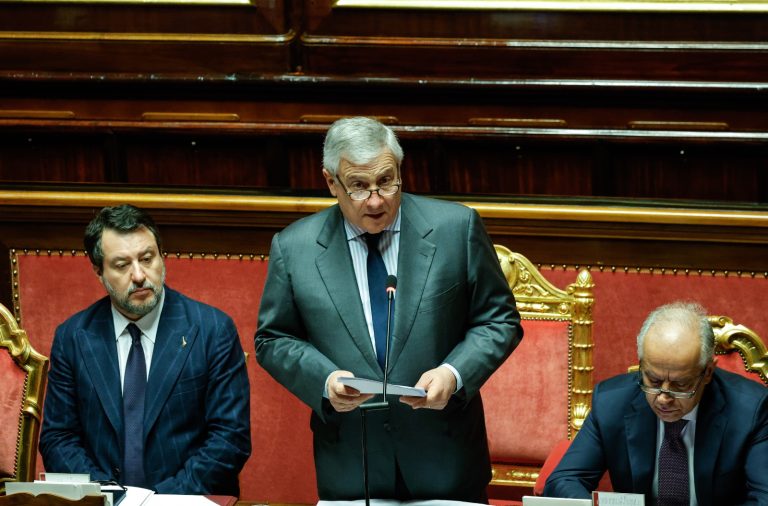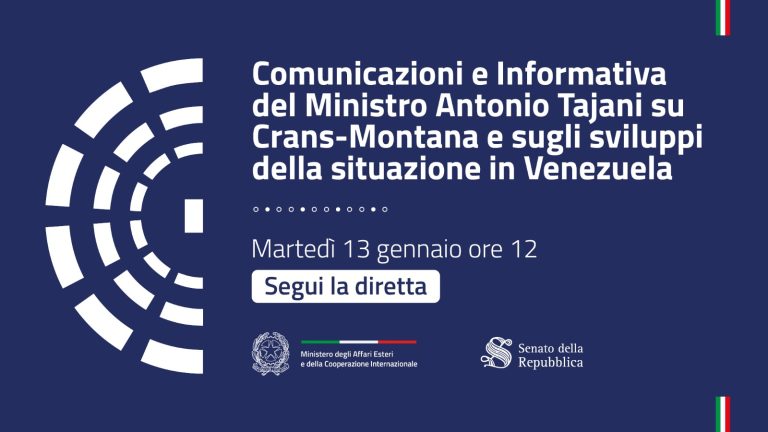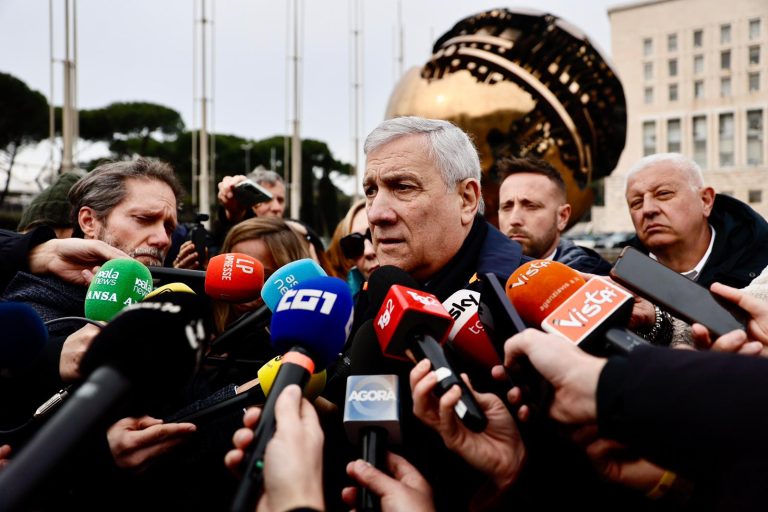
ROME – Italian aid worker Alberto Trentini had been detained in Venezuela for 423 days. The exact charges remain unclear. Minister of Foreign Affairs Antonio Tajani stated: “We are not concerned now with what the charges might have been; what matters is that he, like other Italian citizens, is free, and that the other 42 Italians with dual nationality are released as soon as possible”. Tajani recounted how Italian diplomacy, working discreetly, left no stone unturned to secure Trentini’s return, both through local channels and by seeking mediation from the United States: “Secretary of State Marco Rubio was a very important interlocutor for me”. The turning point, he added, came only after the capture of President Maduro.
How was the release achieved, which seemed difficult even after other Italians had been freed?
“With the statement by the President of Parliament Rodríguez (brother of the new President) announcing that prisoners held in their jails would be released—a gesture paving the way for a new phase”.
Did this mark the decisive acceleration?
“Diplomatic contacts intensified, and on Sunday around 8:15 p.m., I received a call from the Venezuelan Foreign Minister informing me that our two citizens would be released. But until they arrived at the embassy at 3:50 a.m. yesterday and I personally spoke with them to ensure they were safe, we did not allow any signals to leak, because the situation in Venezuela remains extremely delicate”.
Who should be thanked? On the role of the United States, which helped remove Maduro, an act you consider “legitimate”?
“Maduro is no longer the head of Venezuela, and that is a fact. Thanks must certainly go to all institutions that have worked tirelessly, not only in recent days but over the past months: Palazzo Chigi, our embassy in Caracas, the Italian Foreign Ministry and our intelligence agencies. All maintained relations, as has been done in the past for other Italians, such as Cecilia Sala”.
What did Italy concede to the current Venezuelan government in return? “The first decision was to elevate the current Chargé d’Affaires in Venezuela to the rank of Ambassador”.
So this is a recognition of the government that Italy had not granted under Maduro?
“In practice, we are seeking to re-establish better relations with a country that is strategic for us. One million Venezuelans are of Italian origin, 170,000 hold Italian passports and Venezuela is a political priority. We have both geopolitical and industrial-economic interests”.
What about Eni and oil?
“Eni participated alongside other major companies in a meeting with Trump to resume and expand energy activities in the country. Access to such significant resources is crucial for us, particularly to reduce costs. It is a major opportunity, as is Mercosur, even though Venezuela is not a member. Latin America is a strategic region where we want to maintain a strong presence”.
Does this mean Italy now supports the Rodríguez government? And what about opposition leader Machado?
“Step by step. We certainly want dialogue with Ms Rodríguez, but normalisation is a phased process. The first priority is stability, to prevent civil war. Then comes growth, where we will focus on developing a country facing severe economic challenges. Finally, the time for political transition will come”.
Transition, meaning elections?
“I repeat, as the Pope and all international bodies—from the G7 to the EU—have stressed, the first priority is ensuring the Venezuelan people experience as smooth a transition as possible. Only then can the democratic moment—the elections—be addressed”.
Are you satisfied with the opposition’s response?
“Our work is to ensure the safety of Italians, not to receive praise. That said, yes, I have spoken with Schlein and Conte recognises the work carried out. Tomorrow (today) I will report to Parliament on Venezuela and Crans-Montana. Relations are ongoing and constant”.
Meanwhile, the world is volatile, with unrest in Iran.
“We are deeply concerned about the situation. We are exerting all possible pressure to ensure human rights are respected, that the death penalty is not applied and that the UN-requested moratorium is observed. It is unacceptable that so many young people, whose only ‘crime’ is protesting for freedom, are condemned. We also hope for a peaceful resolution among internal factions”.
Does Italy support Pahlavi?
“We believe that Iranians should decide their own future freely, not under violence or death. If a humanitarian crisis occurs, as in Gaza or Sudan, we are ready to provide full support”.
Regarding Ukraine, do you think internal disagreements within the Lega will pass in Parliament?
“I see no obstacles. The decree was approved by the Council of Ministers, including with Lega votes. It is balanced, providing defensive equipment but also significant aid to the population, including energy generators to mitigate the destruction of critical infrastructure. The people should not be weakened by a ‘general winter’ before even facing the Russians”.
You will also report on Crans-Montana today. How does Italy position itself?
“We will request that Swiss authorities identify and punish those responsible, and ensure full clarity on this enormous tragedy. We will also request to join as a civil party”.