The inventory of the first 90 files of Office I of the Directorate General for Cultural Relations (DGRC), compiled by Dr Isabella Proia, an officer in the cultural promotion sector, is now available on the website of the Historical and Diplomatic Archives of the Ministry of Foreign Affairs and International Cooperation (MAECI).
The documentation covers the period between 1936 and approximately 1957. The Directorate General for Cultural Relations with Foreign Countries was established on 20 December 1946, on the initiative of the then Minister of Foreign Affairs, Pietro Nenni, with the aim of consolidating the functions previously carried out by Office I of the General Affairs (responsible for cultural matters of a general nature) and by the Schools Office of the Directorate General for Italians Abroad (responsible for Italian schools and Cultural Institutes overseas). The new Directorate General was designed to systematically coordinate and strengthen the promotion of Italian culture worldwide, as well as to safeguard Italy’s international cultural relations.
In July 1947, the Directorate was formally divided into three offices: Office I, responsible for General Affairs; Office II, for Cultural Institutes; and Office III, for Schools. Office I, divided into four sections, dealt with general cultural affairs, cultural agreements, international congresses and exhibitions in Italy and abroad, the promotion of Italian books overseas, theatrical, musical and cinematographic activities abroad, the work of Italian cultural bodies overseas, study visits, and matters concerning the World Health Organization, social welfare, sport, tourism, and radio broadcasting. It was also responsible for relations with UNESCO.
The documentation of Office I of the DGRC, preserved at the Historical and Diplomatic Archives of the MAECI, consists of approximately 340 files in total. To date, the reorganisation and cataloguing of the first 90 files has been completed. This nucleus forms a coherent and homogeneous body of material, entirely devoted to cultural exchanges with foreign countries, arranged by nation. The remaining files are organised by thematic area.
The documents preserved in this collection are a valuable resource for tracing the history of Italy’s cultural relations with other countries. They are particularly rich in annexes such as maps, photographs, press clippings, brochures, and printed publications. The presence of such annexes or of documents of particular historical or cultural interest is always indicated in the inventory notes. Among the most significant materials found in the collection are those under Position 13: Exhibitions, which include an extensive array of catalogues, posters, invitations, brochures, and photographs relating to art, design, architecture, and book exhibitions organised by Italy abroad in the post-war period.
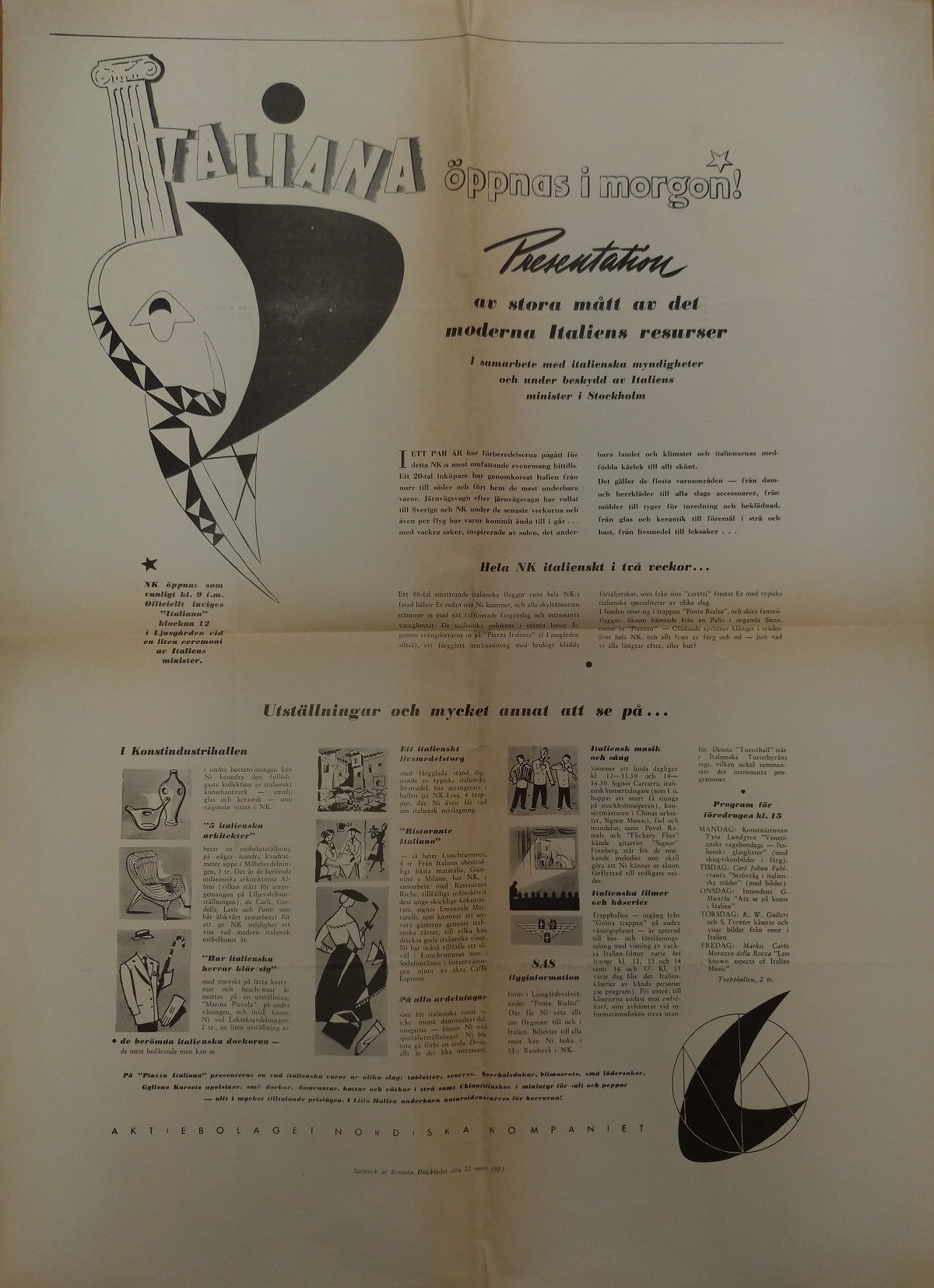
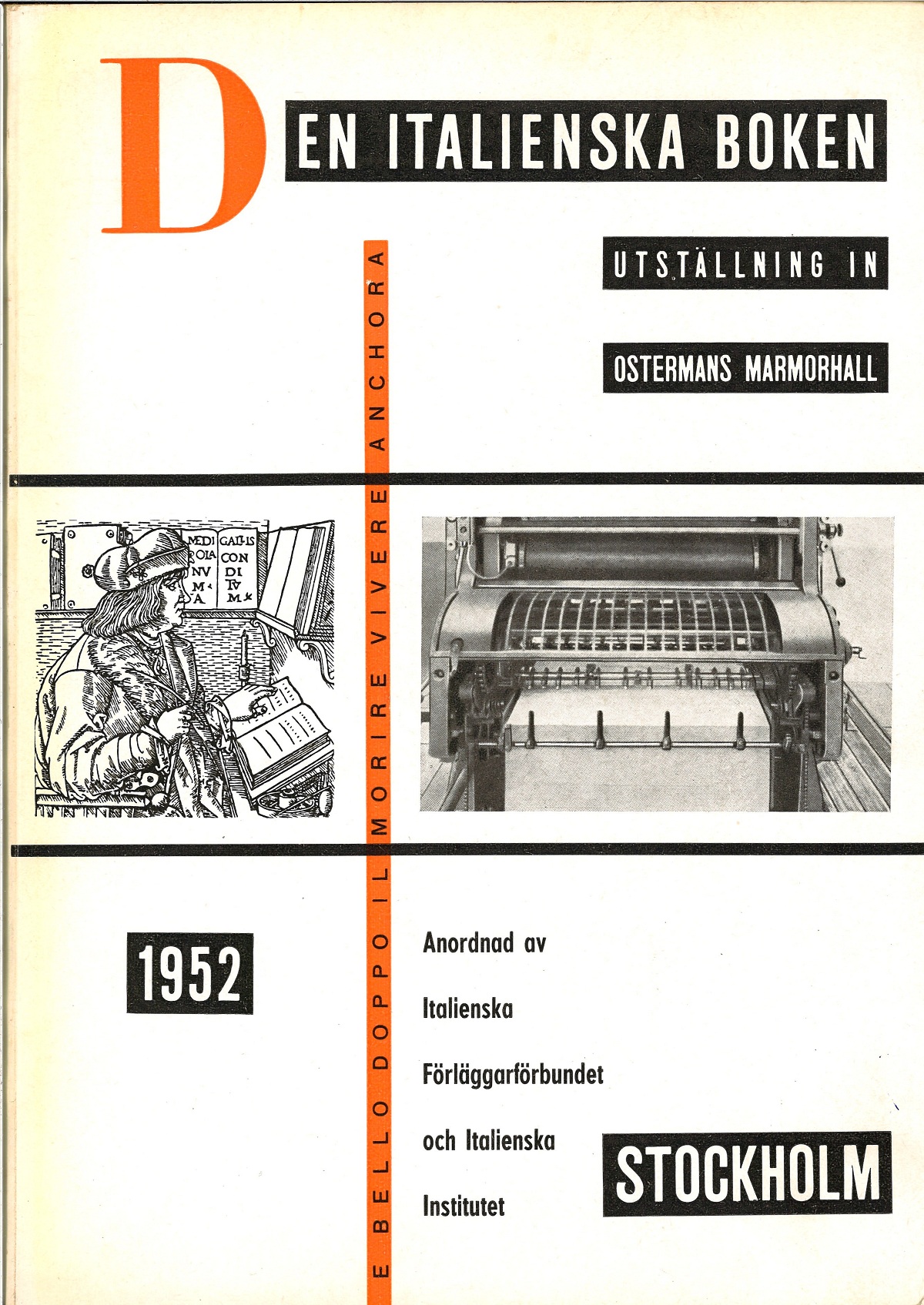
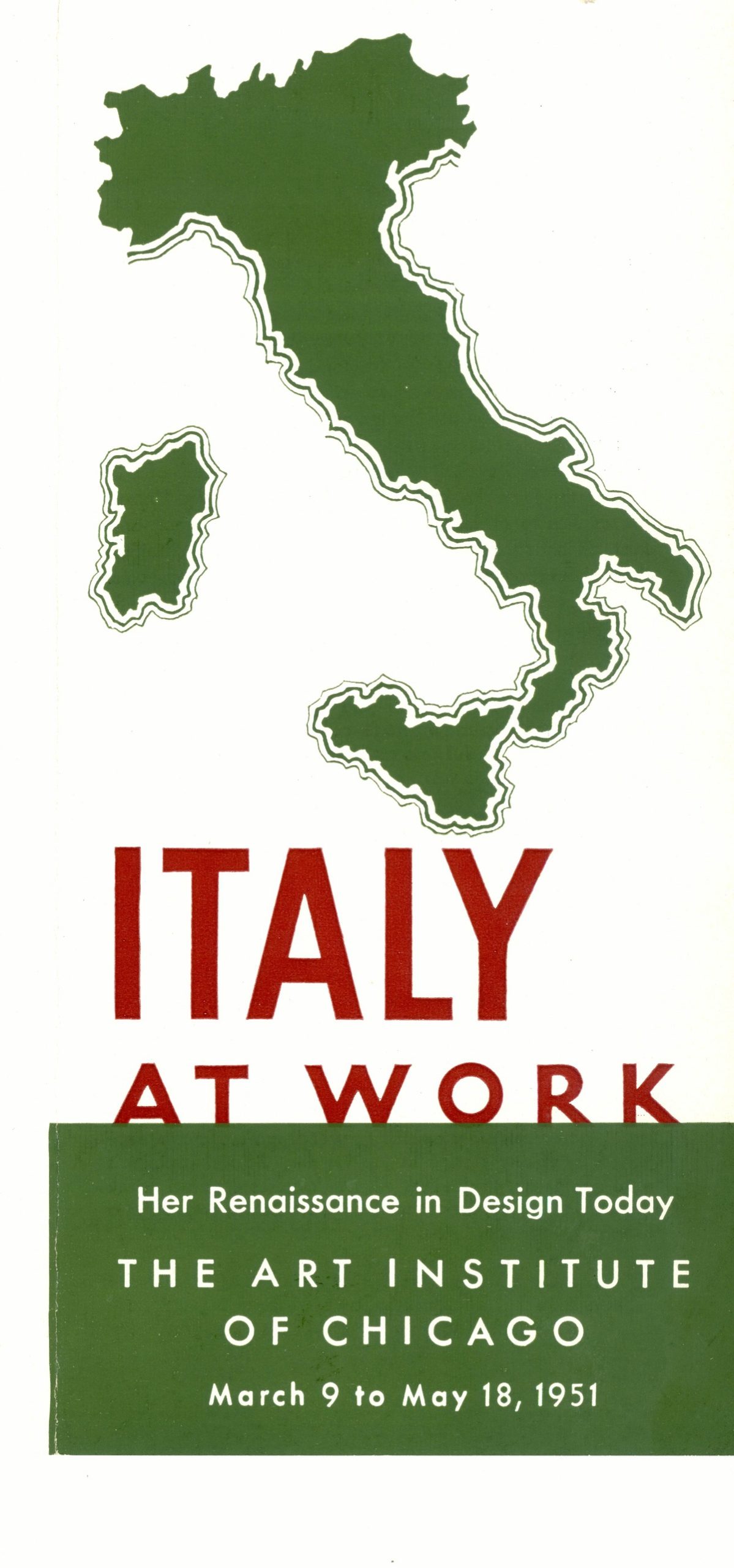
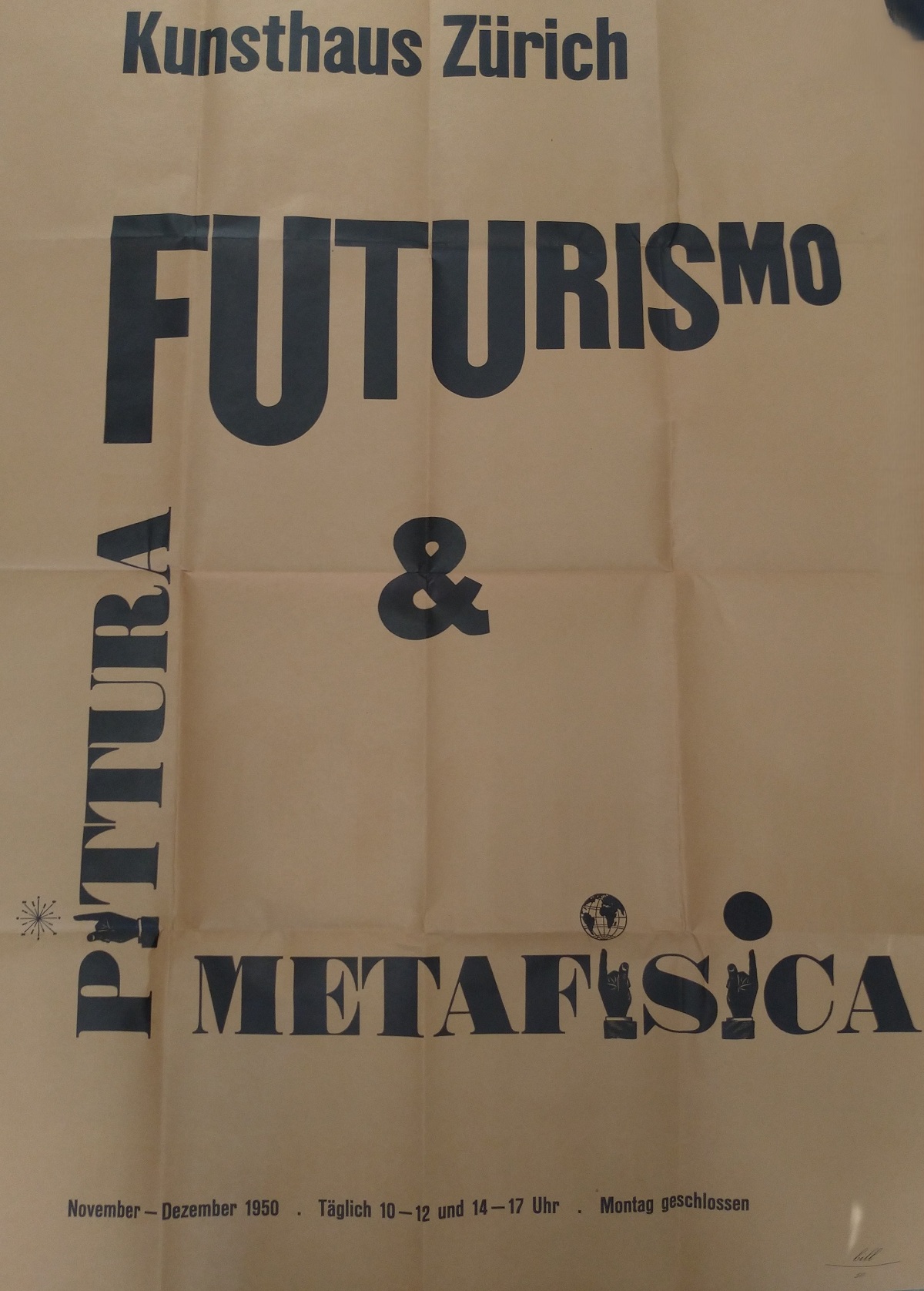
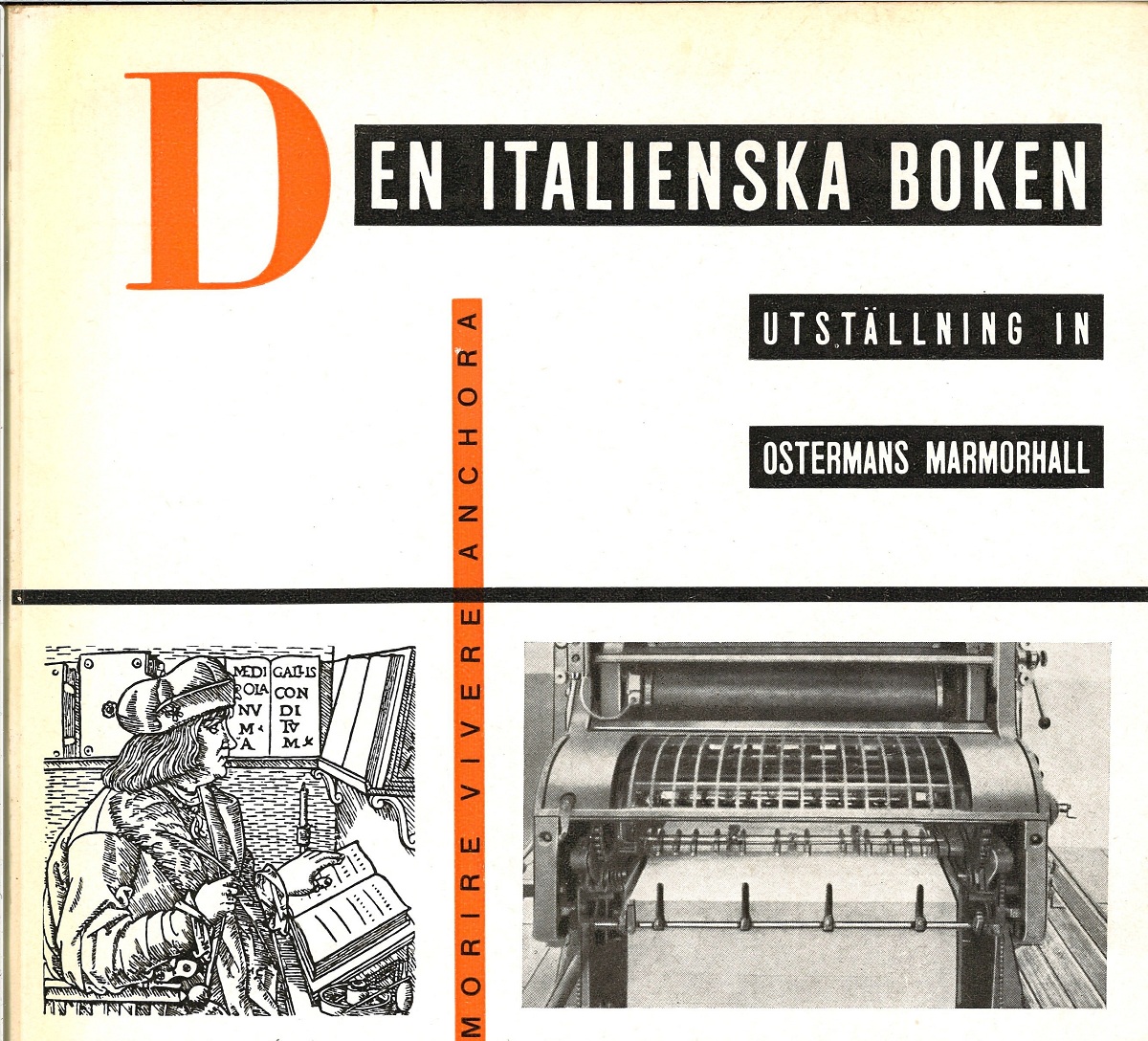
The gallery features: the poster for “Italiana”, a fortnight of exhibitions of Italian products and craftsmanship held in Sweden (1953); the catalogue of the Italian Book Exhibition in Stockholm (1952); the leaflet for the exhibition of modern Italian decorative art “Italy at Work”, hosted by the Art Institute of Chicago (1951); and the poster for “Futurism and Metaphysical Painting”, held at the Kunsthaus Zürich (1950).
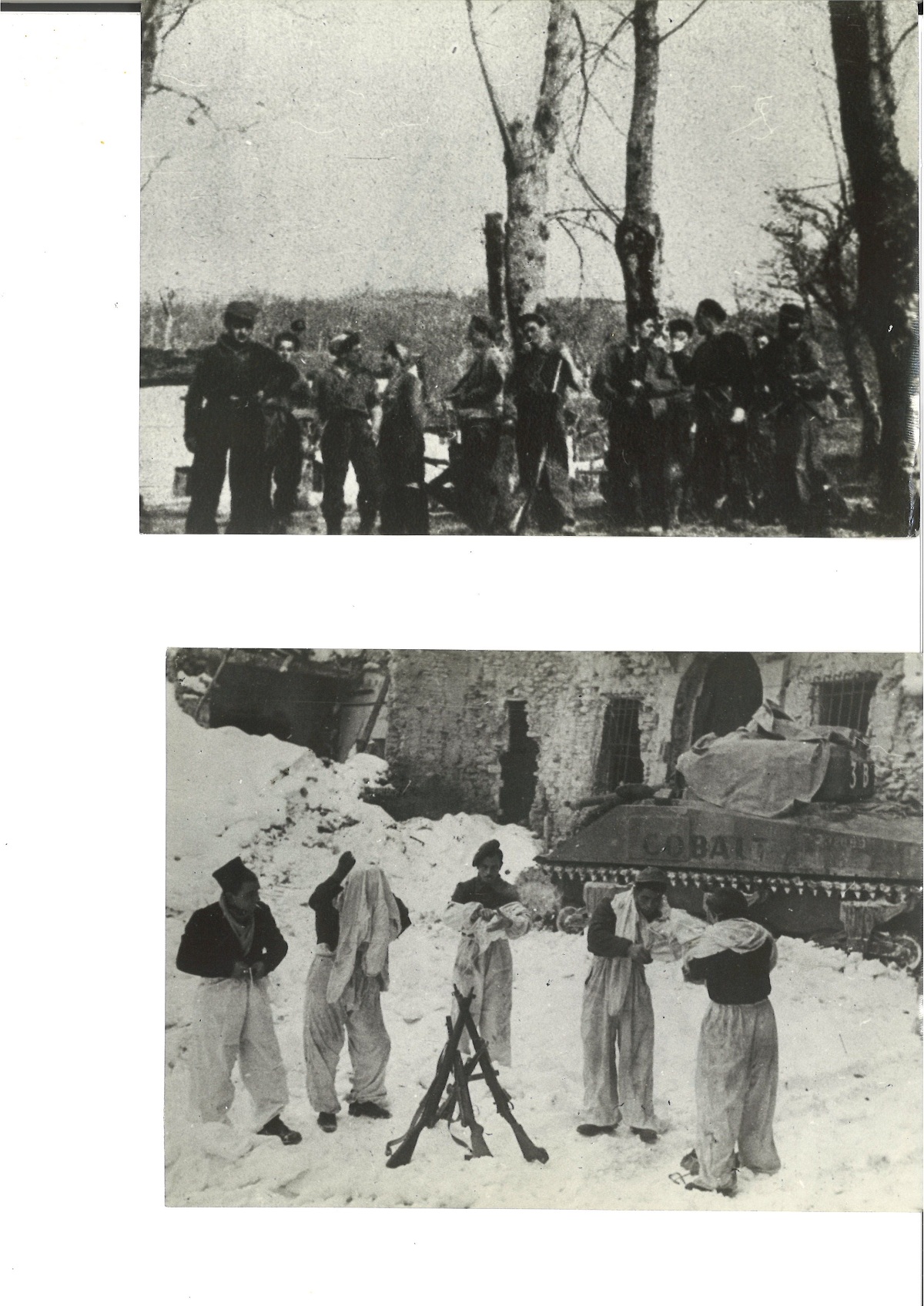
The gallery concludes with two photographs from the exhibition “Niemals vergessen!” (“Never Forget!”), held at the Künstlerhaus in Vienna in 1946, which brought together materials from various countries documenting the rise of Nazi-Fascism, the atrocities committed by fascist and Nazi regimes, and the anti-fascist resistance movements. For this exhibition, the Italian Ministry of Foreign Affairs commissioned the reproduction of 53 photographs from the Historical Office for the War of Liberation, established at the Prime Minister’s Office in 1945 by Ferruccio Parri and active until December 1946, with the aim of disseminating documentary materials on the Italian Resistance. These photographs remain preserved within the archival collection.
The documents reproduced for this article have been extracted from envelopes 4, 57, 69 and 71 bis of the DGRC Office I fonds