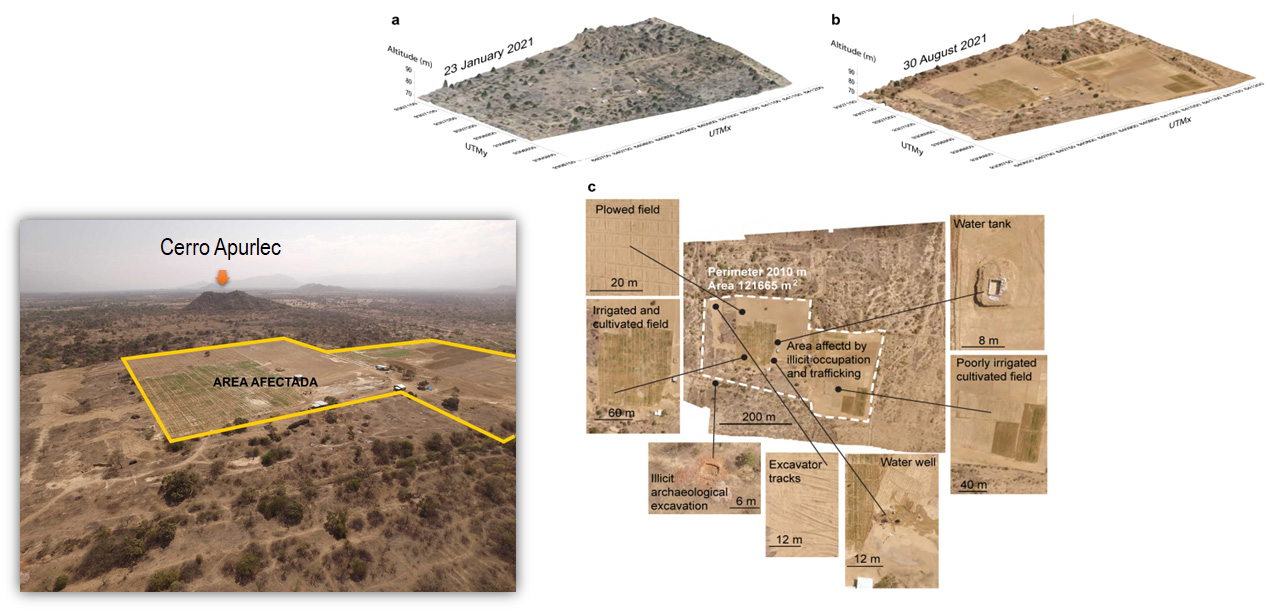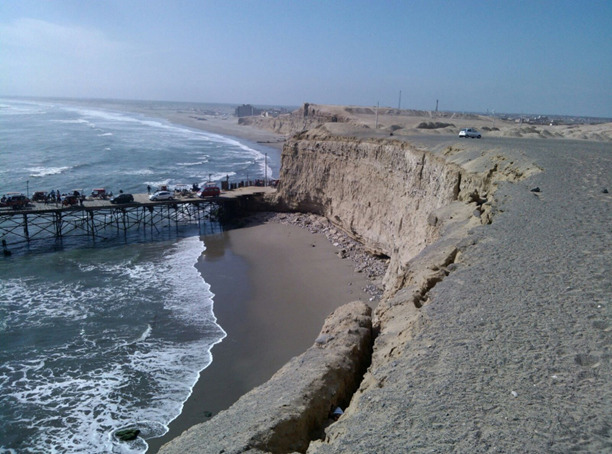
The HUACAS project, promoted and co-financed by the Ministry of Foreign Affairs and International Cooperation (MAECI) as part of the Italian Archaeological Missions Abroad program, represents a model of excellence in international cooperation and scientific research, combining technological innovation and the protection of global cultural heritage. The project, active in Peru since 2019, operates primarily along the northern Peruvian coast in close collaboration with Peruvian agencies responsible for the conservation of archaeological heritage.
“Huacas” are ancient earthen structures, now threatened by intensifying extreme weather events. The fragility of these desert-area archaeological sites, recognized by UNESCO and World Monuments Watch, lies in their construction material, which is primarily adobe—sun-baked bricks.
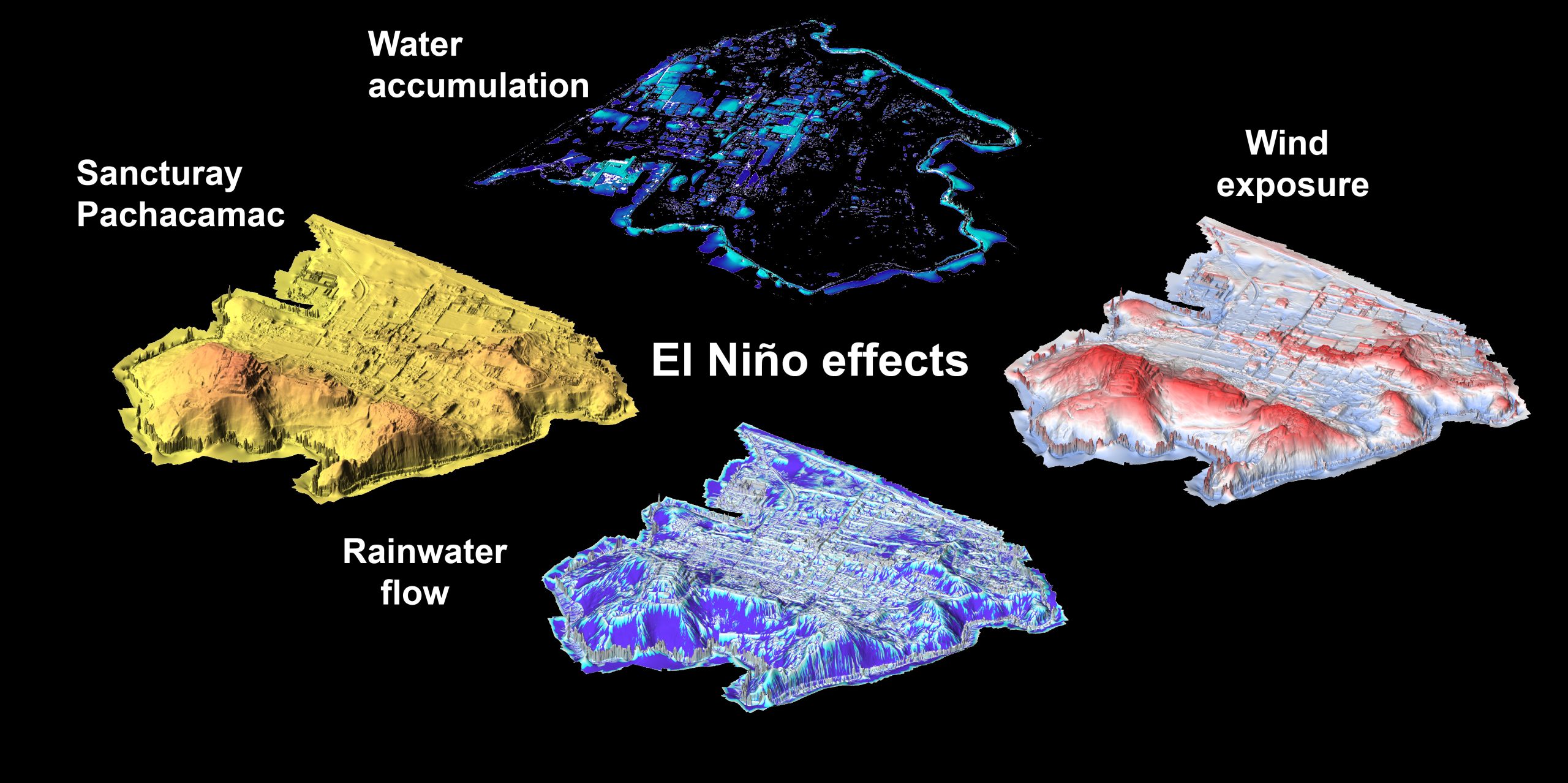
The commitment of the Farnesina and the National Institute of Geophysics and Volcanology (INGV) integrates monitoring, vulnerability assessment, and study of the effects of future destructive events. The multidisciplinary approach includes advanced remote sensing techniques, climate modeling, and artificial intelligence.
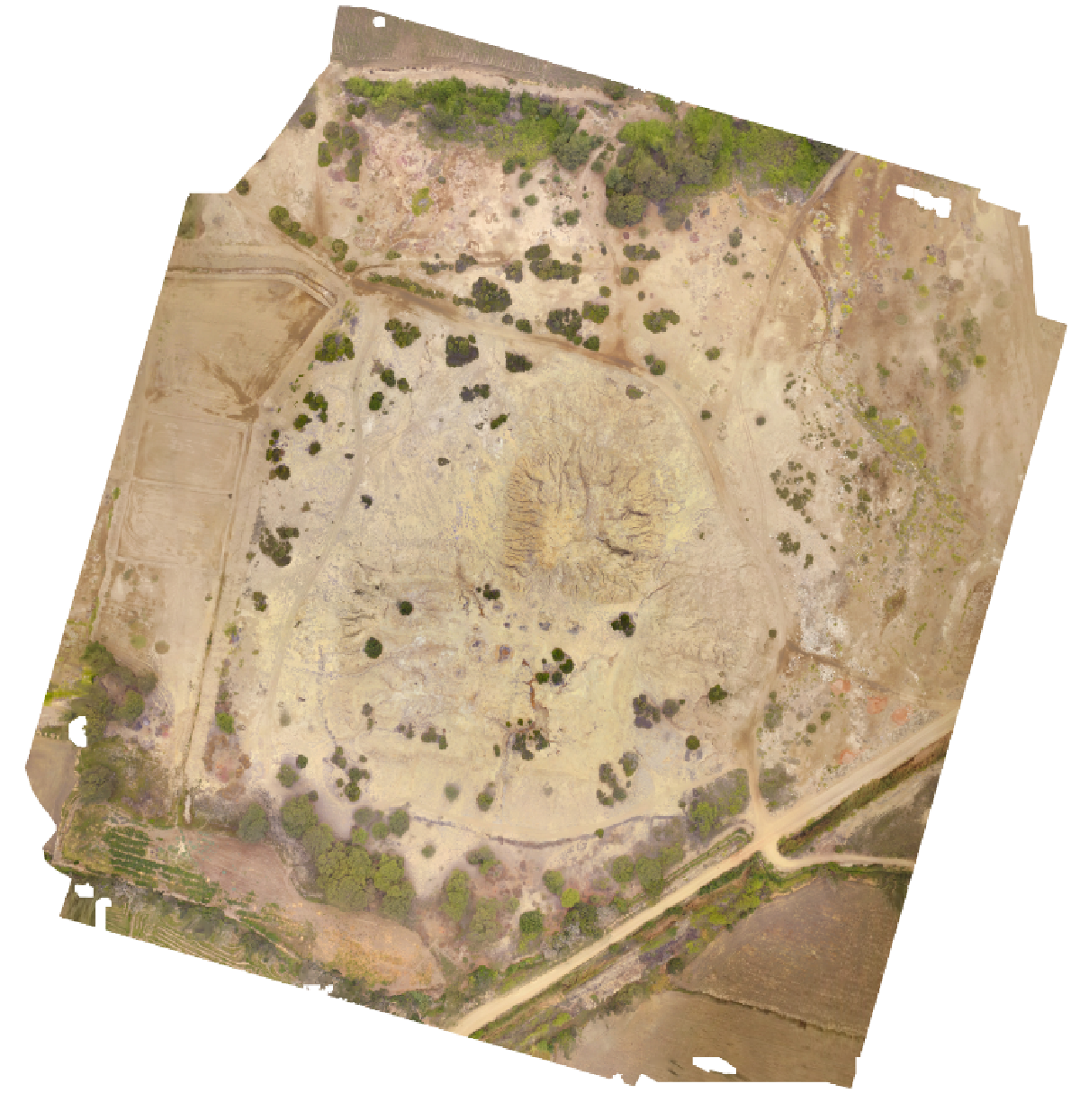
The use of remote sensing data is essential to create digital models of the archaeological sites. These models allow the extraction of morphometric parameters that, combined with climate data, enable the production of vulnerability maps. Furthermore, the use of artificial intelligence applications allows the production of predictive maps of potential damage, providing information for protecting both archaeological sites and other structures of historical interest.