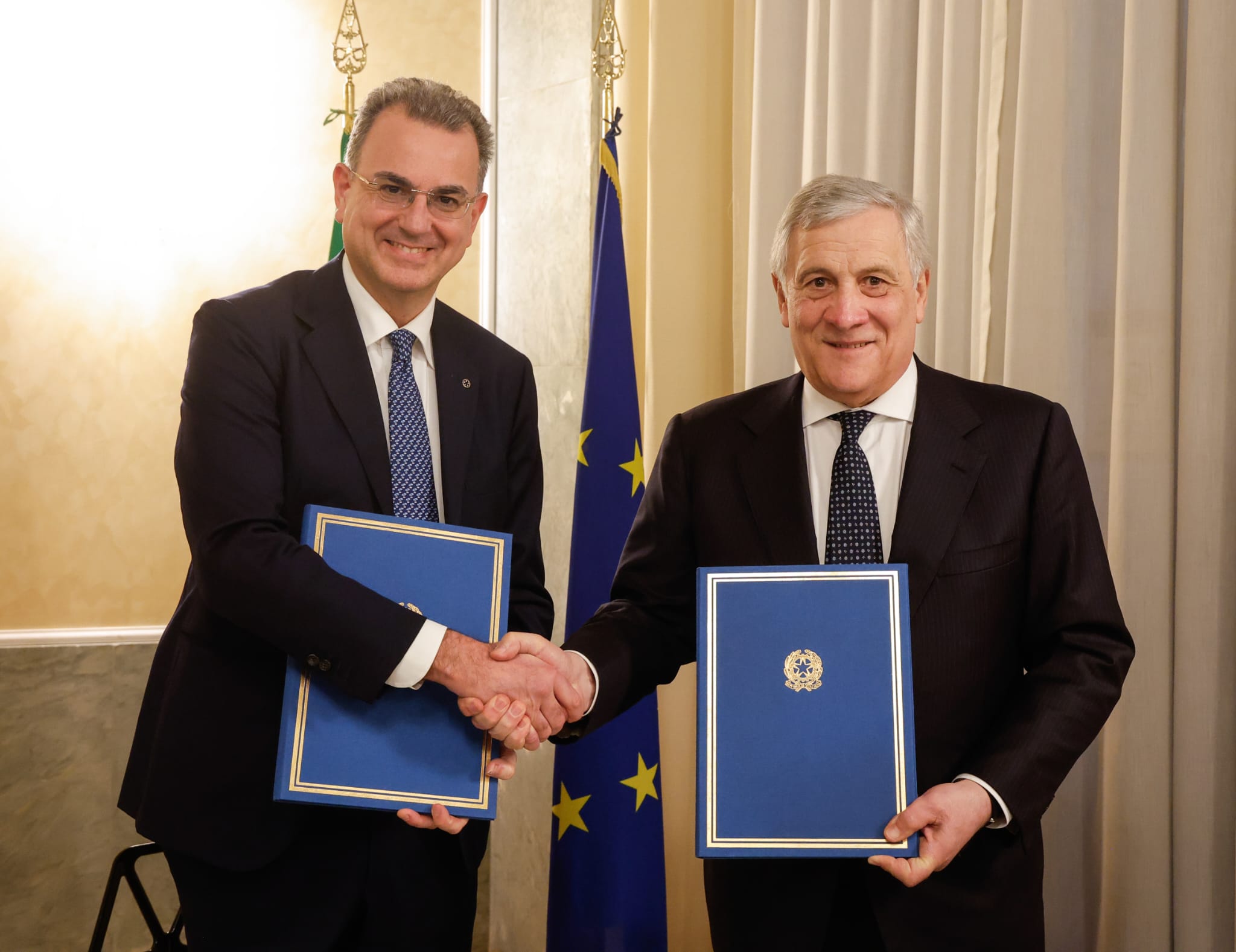
Italy is stepping up its efforts to drive international growth and attract foreign investment. Through an increasingly close synergy between institutional diplomacy and professional expertise, the Country System is equipping itself with new operational tools to project the excellence of Made in Italy products worldwide and, at the same time, make the country a more competitive hub. The Memorandum of Understanding between the Ministry of Foreign Affairs and International Cooperation (MAECI) and the National Council of Chartered Accountants and Auditors (CNDCEC) signed on January 21 at the Foreign Ministry is a step in this direction.
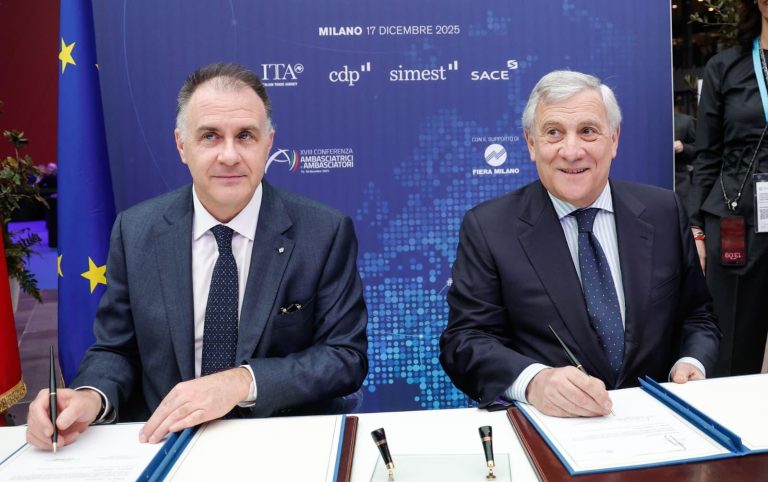
The agreement, signed by Foreign Minister Antonio Tajani and CNDCEC President Elbano de Nuccio, aims to promote chartered accountants as essential partners for companies: thanks to their widespread presence throughout the country, they become a key link between Italian manufacturing and the export support tools made available by the diplomatic network and government agencies.
The agreement’s immediate implementation was confirmed by the first meeting of the Internationalization Working Group, which saw the coordinated participation of all the heavyweights of the Italian economic system: ITA, CDP, SACE, and SIMEST.
From Rome to London: the First Fruits of the Agreement
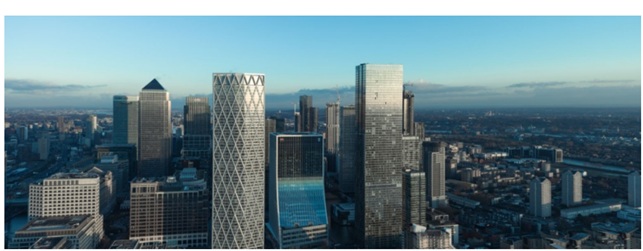
Less than a month after the signing of the Memorandum, the Italian Embassy in London – in collaboration with the local ITA office, the CNDCEC, and Intesa Sanpaolo – hosted the event “The Single Special Economic Zone for Southern Italy: a Gateway to FDI and International Trade” on February 12 to present to the international financial community the opportunities offered by the Single Special Economic Zone for Southern Italy.
The focus of the London meeting was the presentation of the Single Special Economic Zone for Southern Italy, a tool designed to strengthen the attractiveness of Southern Italy to international investors. The initiative aims to enhance the role of the South as a logistics hub in the Mediterranean, thanks to its strategic position and a productive ecosystem supported by universities, research centres, and a skilled workforce. Through tax incentives, administrative simplifications, and investment-focused measures, the Single Special Economic Zone aims to foster new flows of foreign capital and strengthen the competitiveness of the Italian productive system. As reported by the Italian Embassy, “the perception gathered in London confirms a growing interest in our country, in general, and in less frequented areas, in particular, both from a perspective of portfolio diversification and the search for opportunities in undervalued areas with high growth prospects.”