Latest update on February 2026
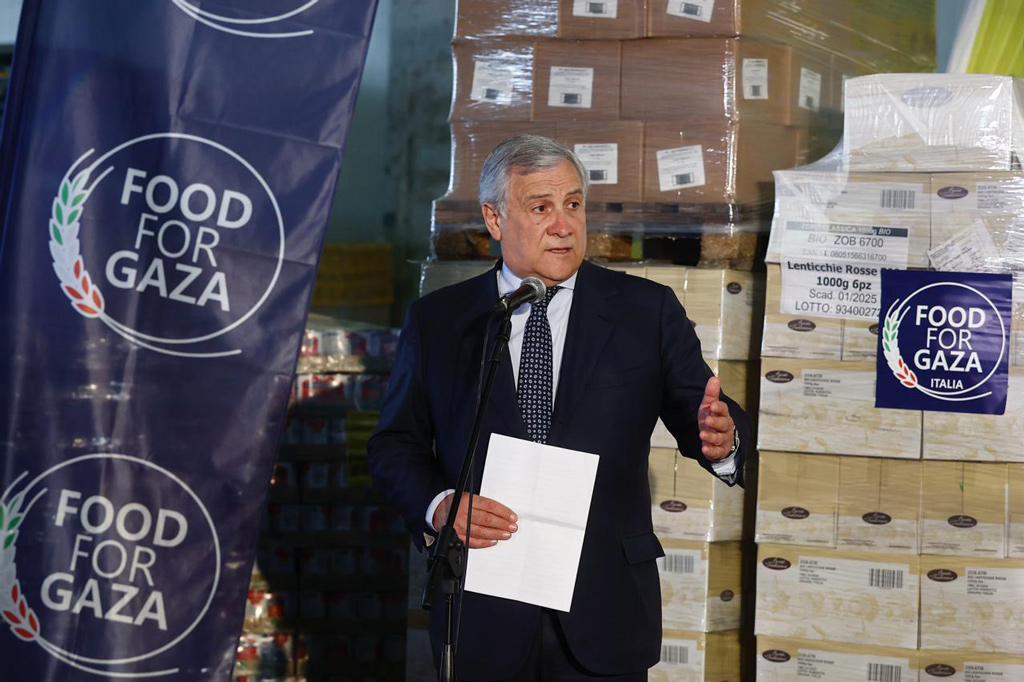
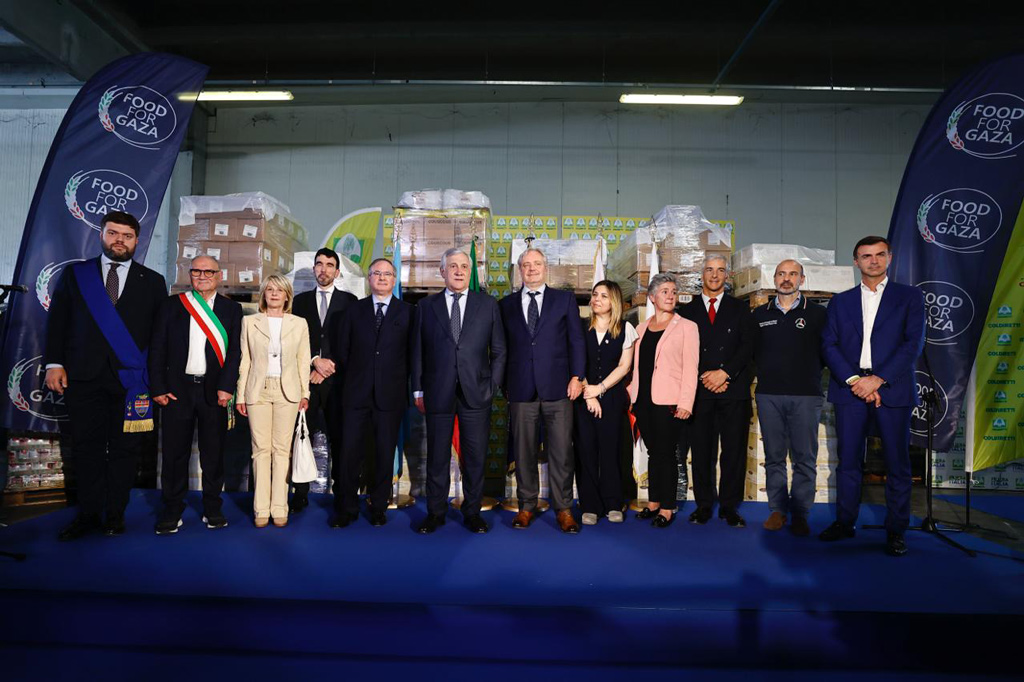
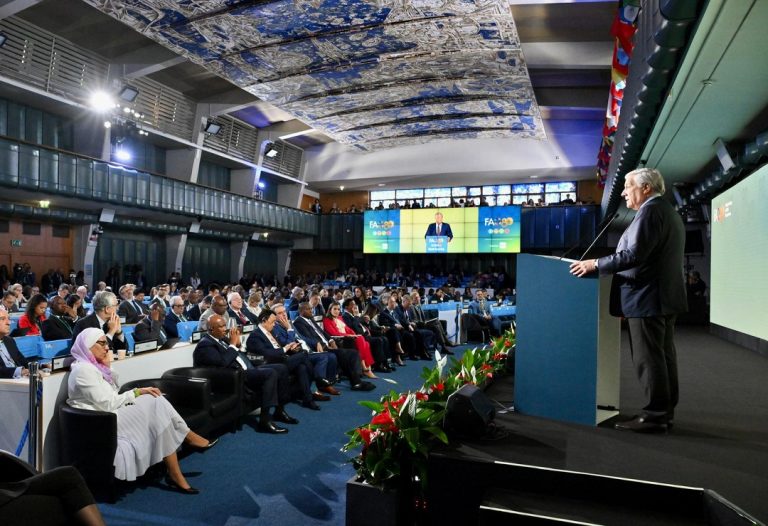
Foreign Minister Tajani launched the “Food for Gaza” initiative on March 11, 2024, in a meeting in Rome with Qu Dongyu, Director-General of the UN Food and Agriculture Organization (FAO), Cindy McCain, Executive Director of the World Food Programme (WFP), and Xavier Castellanos, Deputy Secretary General of the International Federation of the Red Cross (IFRC).
The Food for Gaza initiative has the full support of Israel and the Palestinian National Authority, whose Foreign Ministers have identified it as a model to follow.
In recent months, the Council of Ministers extended the state of emergency for interventions in the Gaza Strip, increasing the financial contributions dedicated to the Food for Gaza project alone to approximately €40 million. This was also due to the new €10 million allocation to WHO and UNICEF to support hospitals, procure medicines, and support emergency medical and healthcare activities in the Gaza Strip.
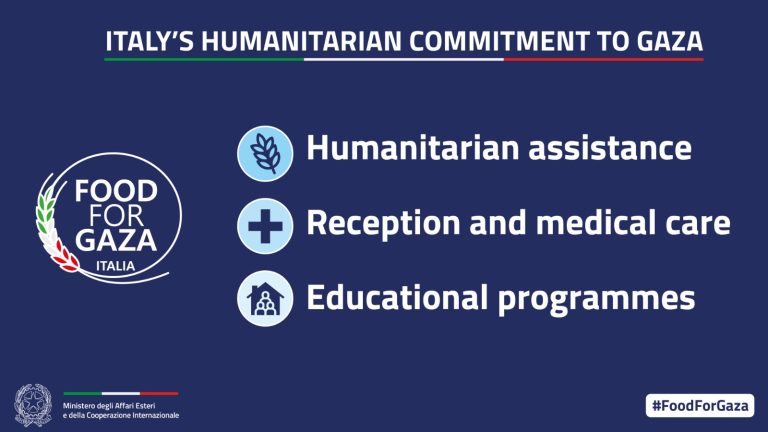
The initiative consists of three components:
- Humanitarian aid
- Assistance and medical care
- Educational programs
HUMANITARIAN AID
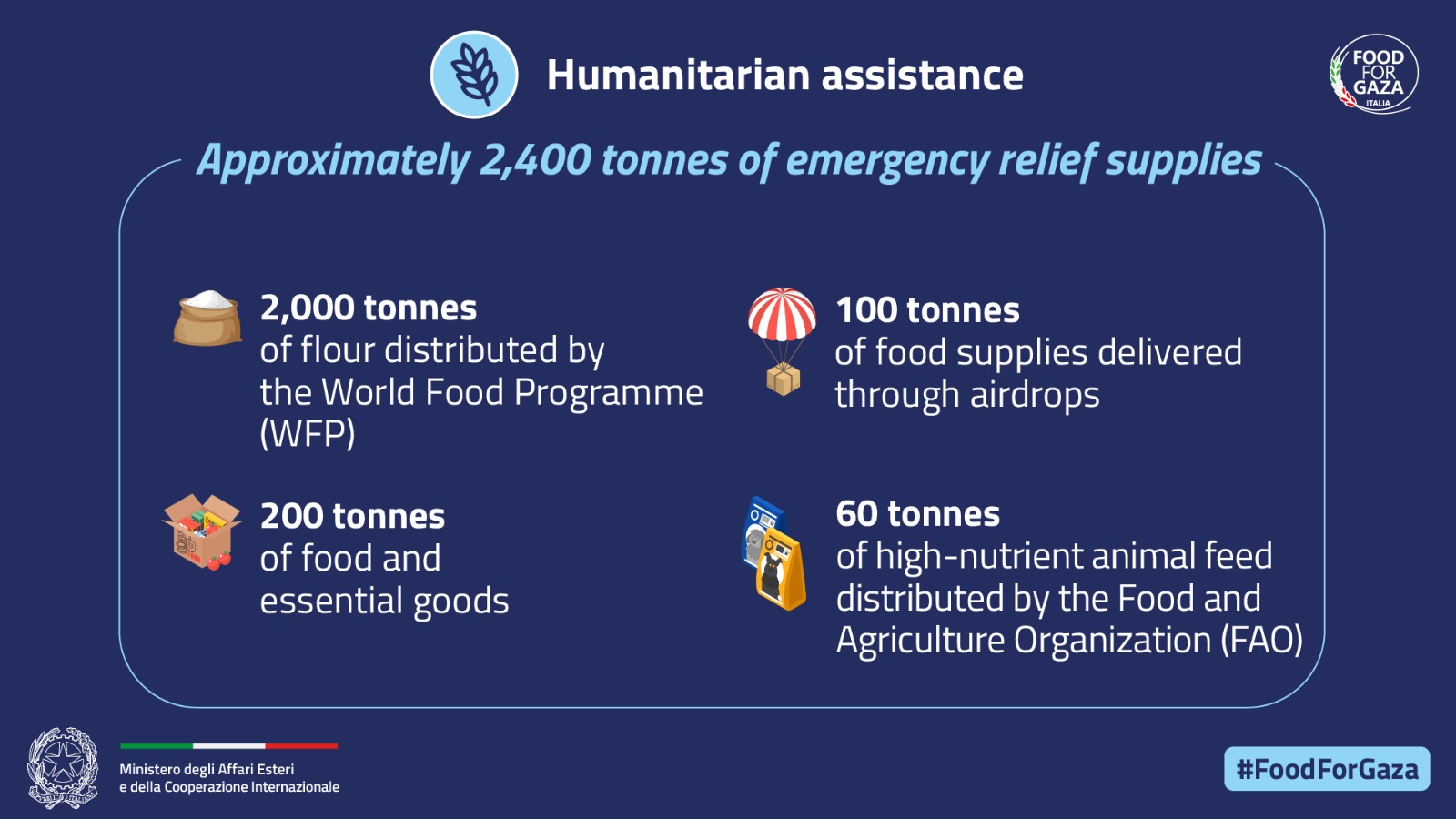
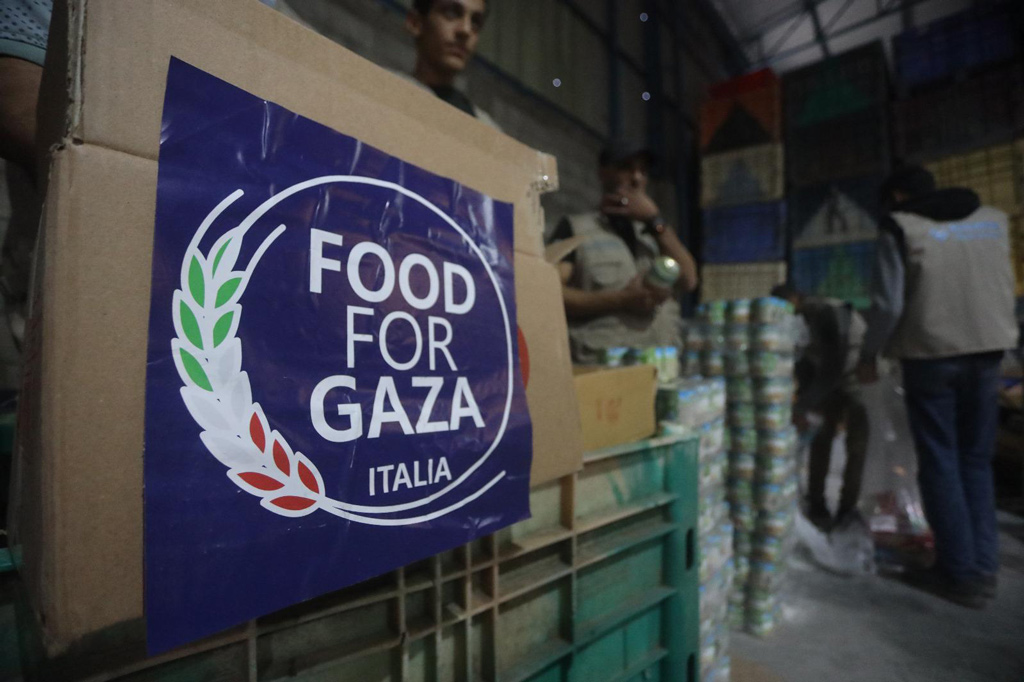
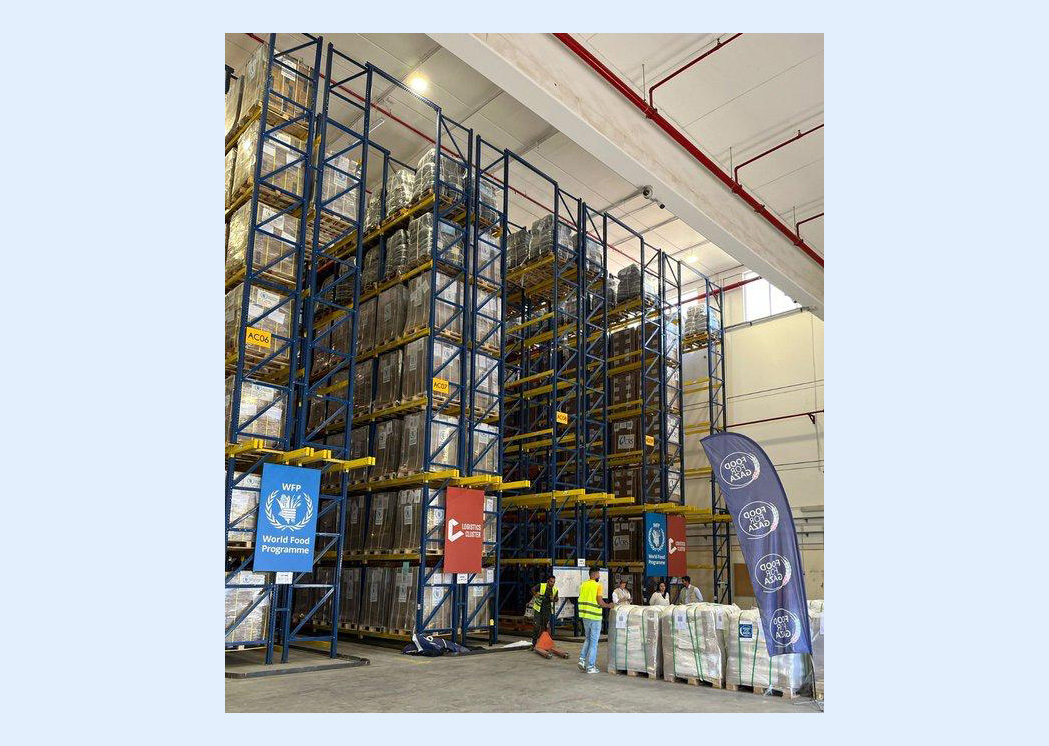
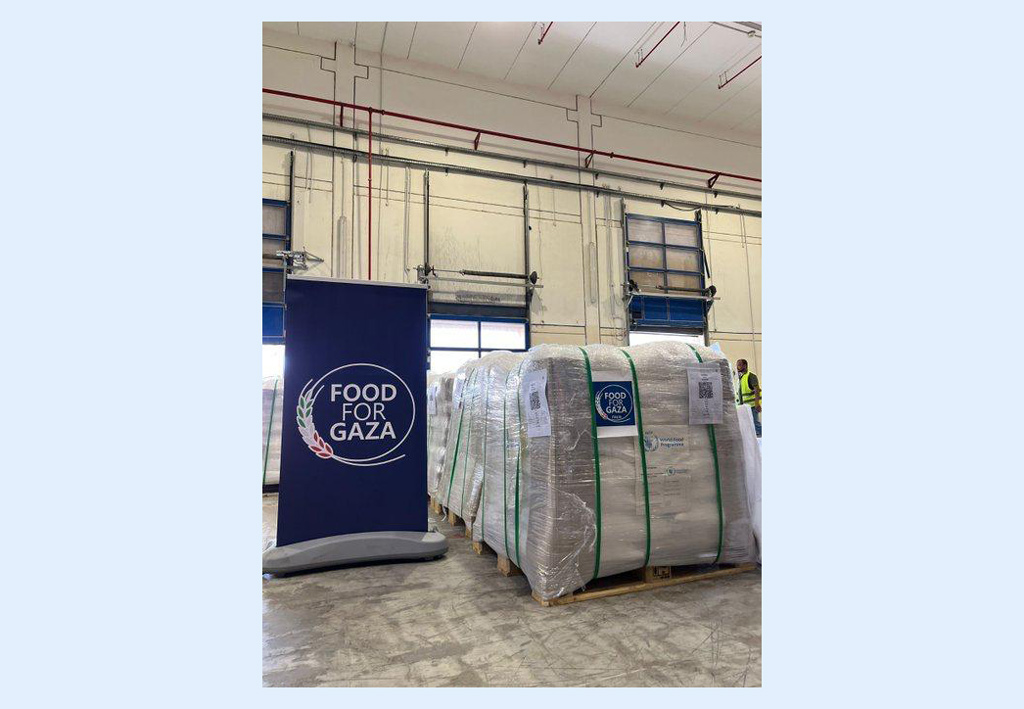
Thanks to the Food for Gaza initiative, Italy has delivered approximately 2,300 tons of food, medical, and basic relief supplies to the Gaza Strip. The aid has been channelled through the World Food Program and the International Red Cross, authoritative and impartial institutions trusted by both sides.
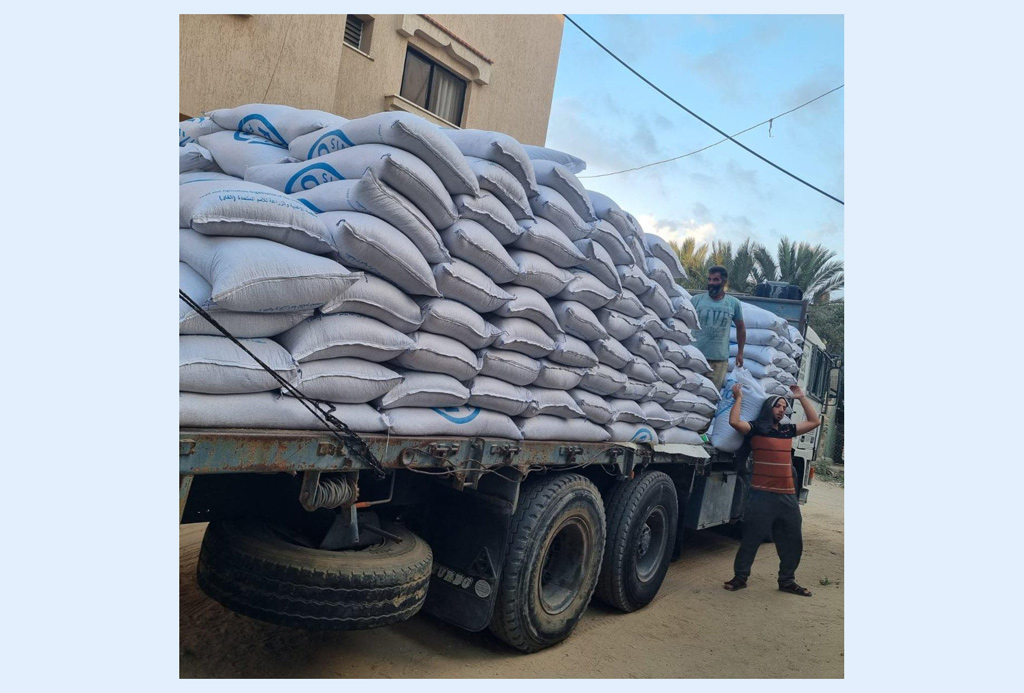
Among the largest operations carried out to date, the WFP has distributed 2,000 tons of flour. Four convoys departed from Jordan over a period of approximately three weeks between July and August, with the aim of assisting approximately one million Palestinians in the Gaza Strip.
Furthermore, with the crucial collaboration of the Ministry of Defence, airdrops were carried out to drop approximately 100 tons of food directly into Gaza.
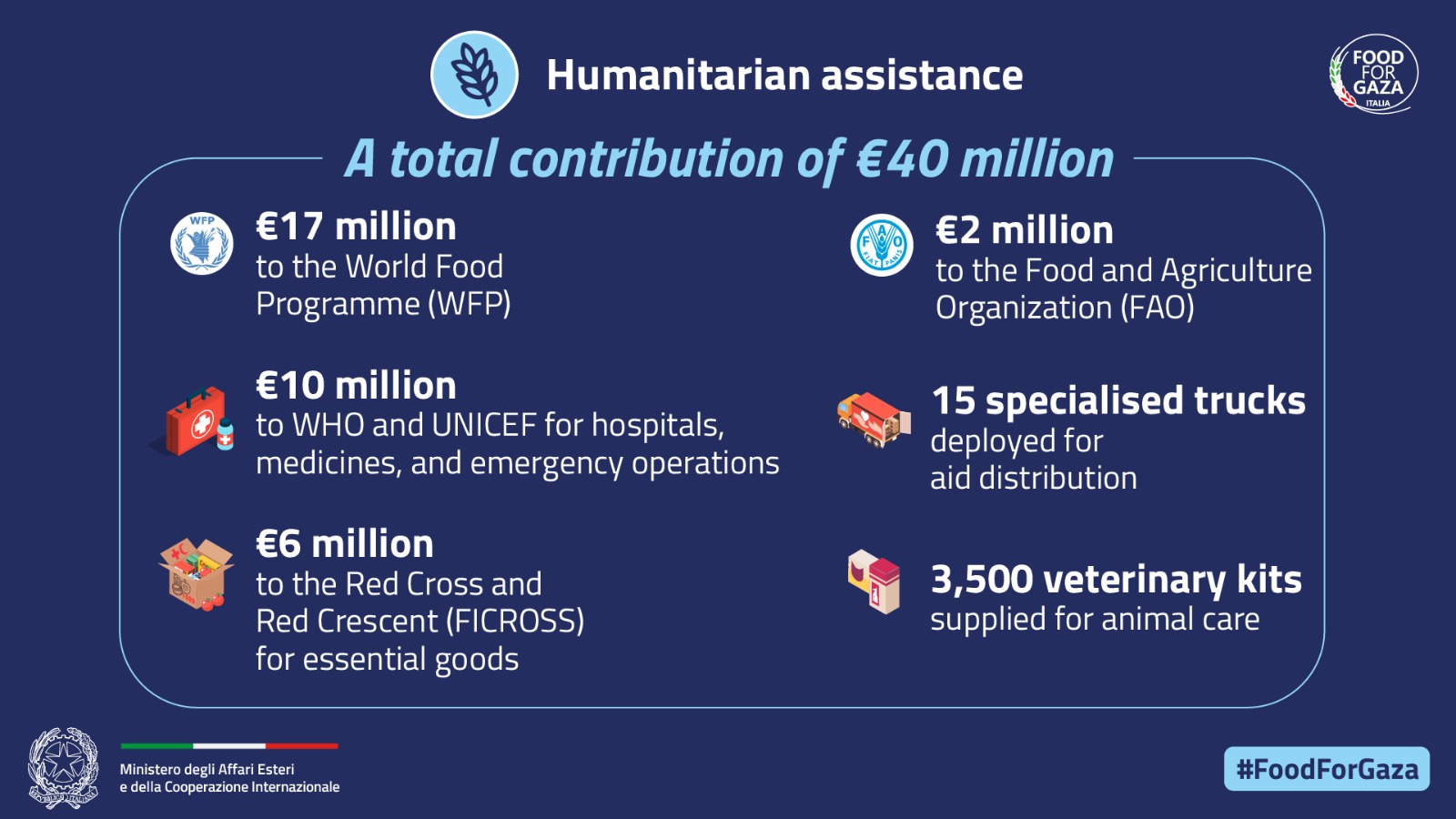
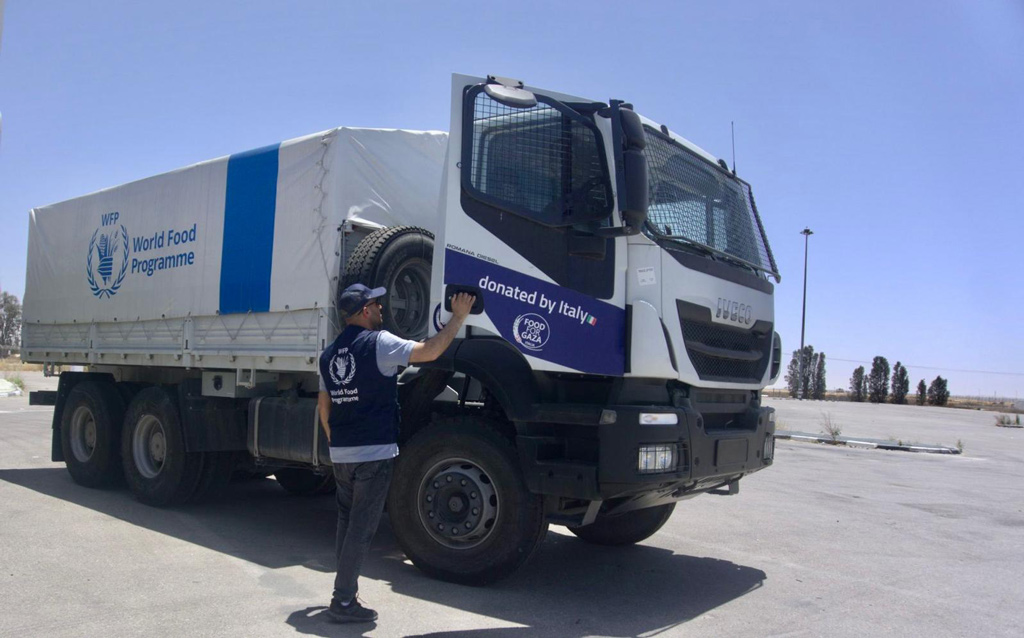
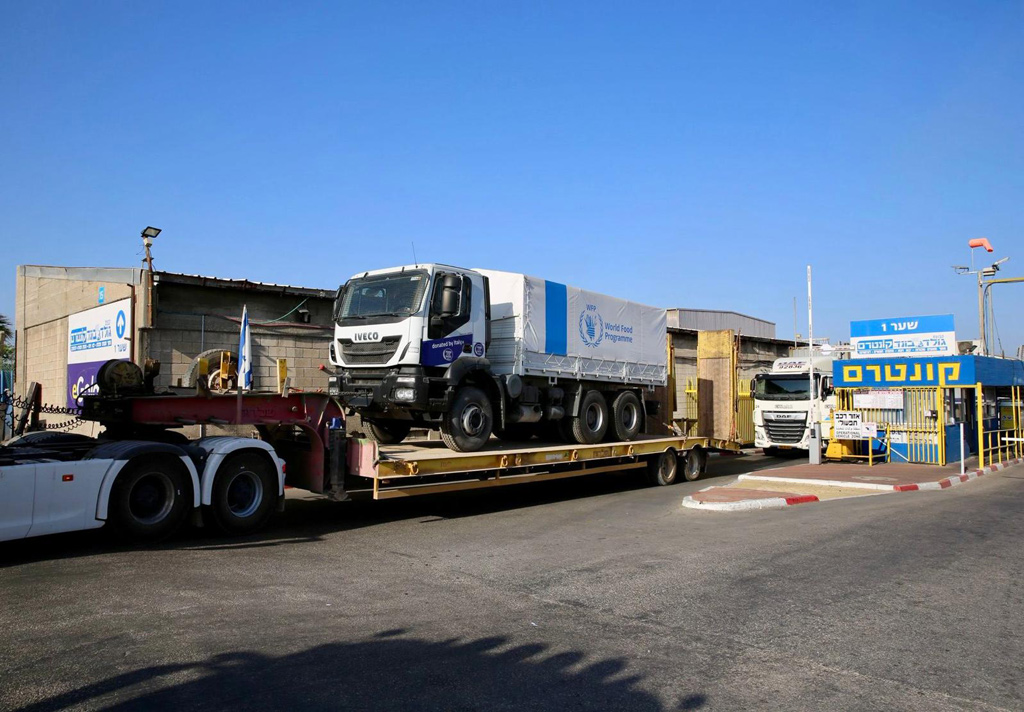
As part of the humanitarian aid, 15 special trucks were delivered to WFP in February 2025, later modified to serve as “forklifts” for the distribution of aid within the Gaza Strip. Furthermore, 15 tons of humanitarian aid, including basic necessities, such as blankets and hygiene supplies, were delivered along with the vehicles, intended to assist approximately 1,200 people.
In August 2025, 60 tons of nutrient-dense animal feed were also released into Gaza. This initiative was carried out in collaboration with the FAO. The first distribution cycle involves the provision of two bags (100 kg) to each shepherd with at least one head of cattle; the goal is to reach 200 verified beneficiaries. 3,500 veterinary kits for animal care are also expected to enter Gaza.
ASSISTANCE AND MEDICAL CARE
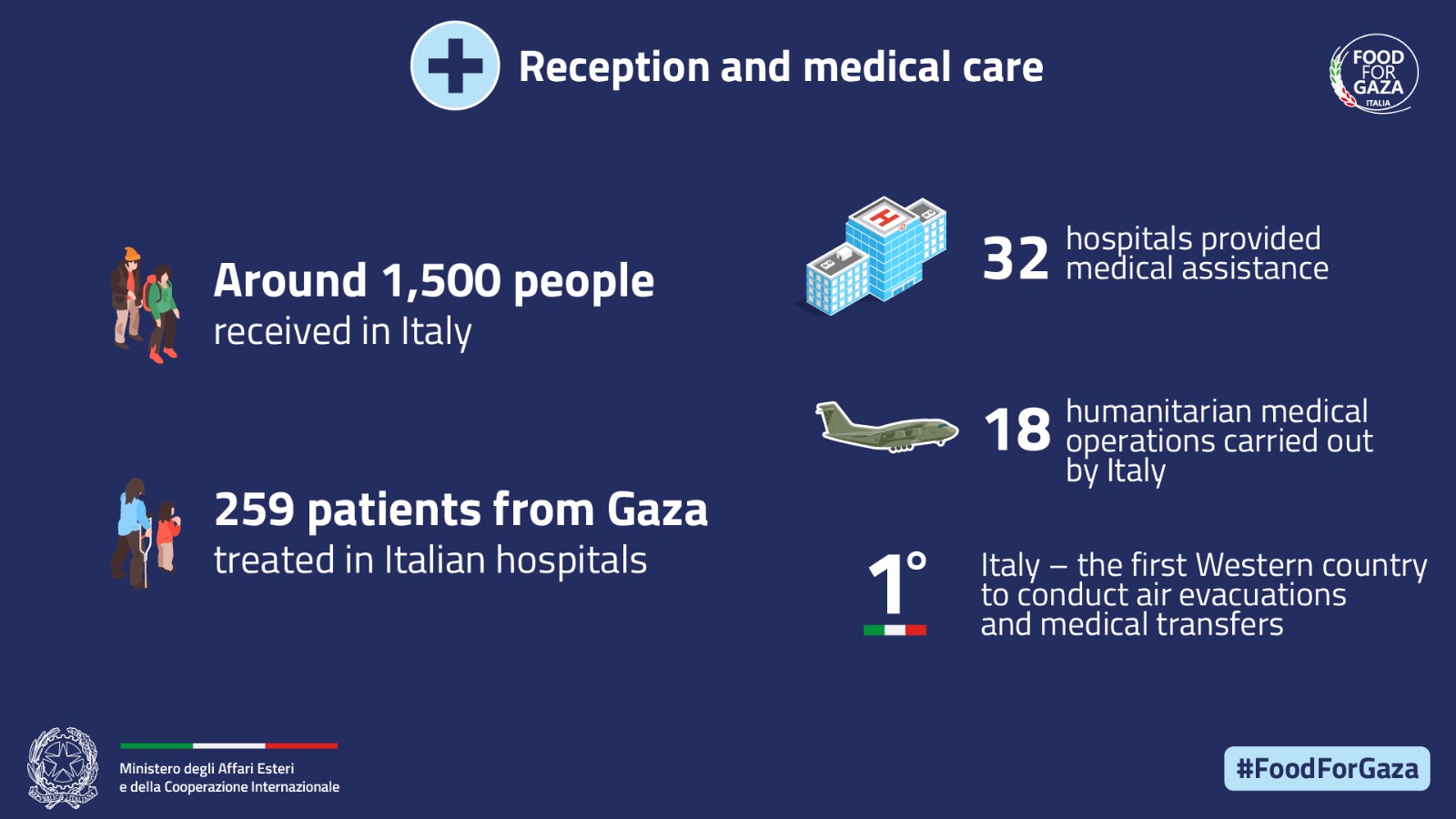
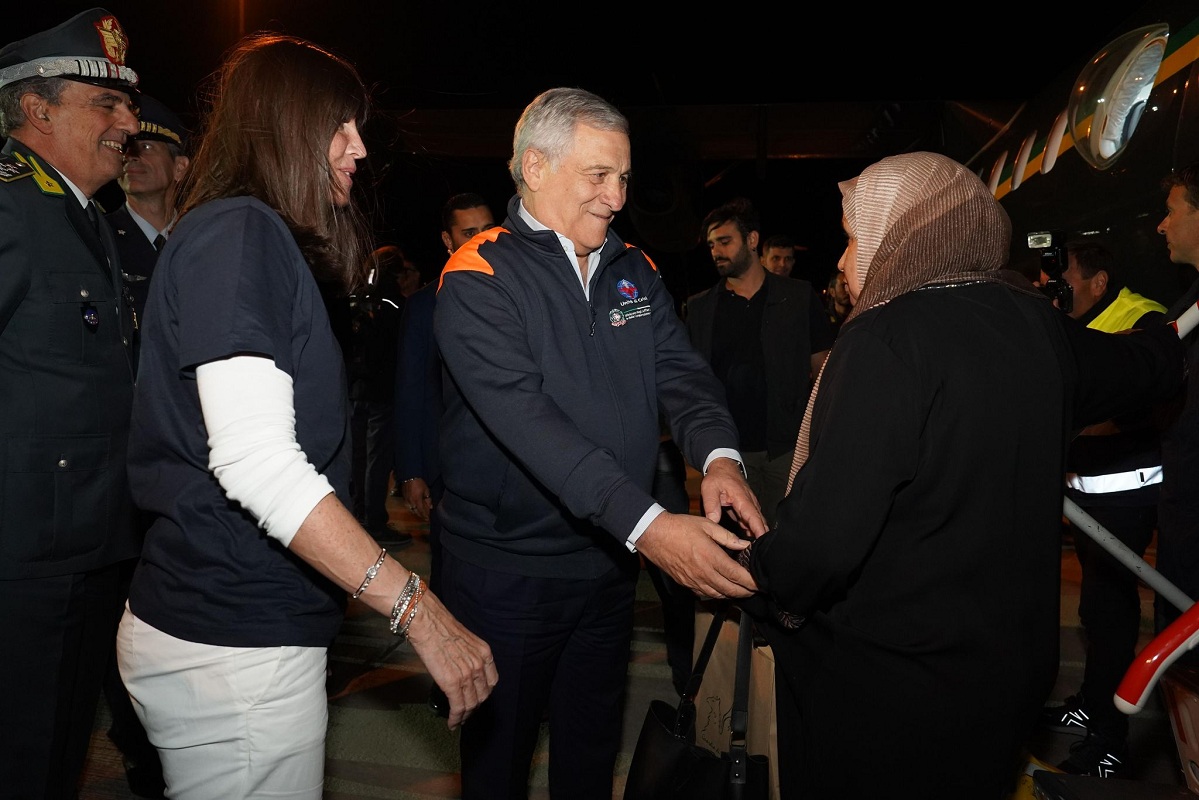
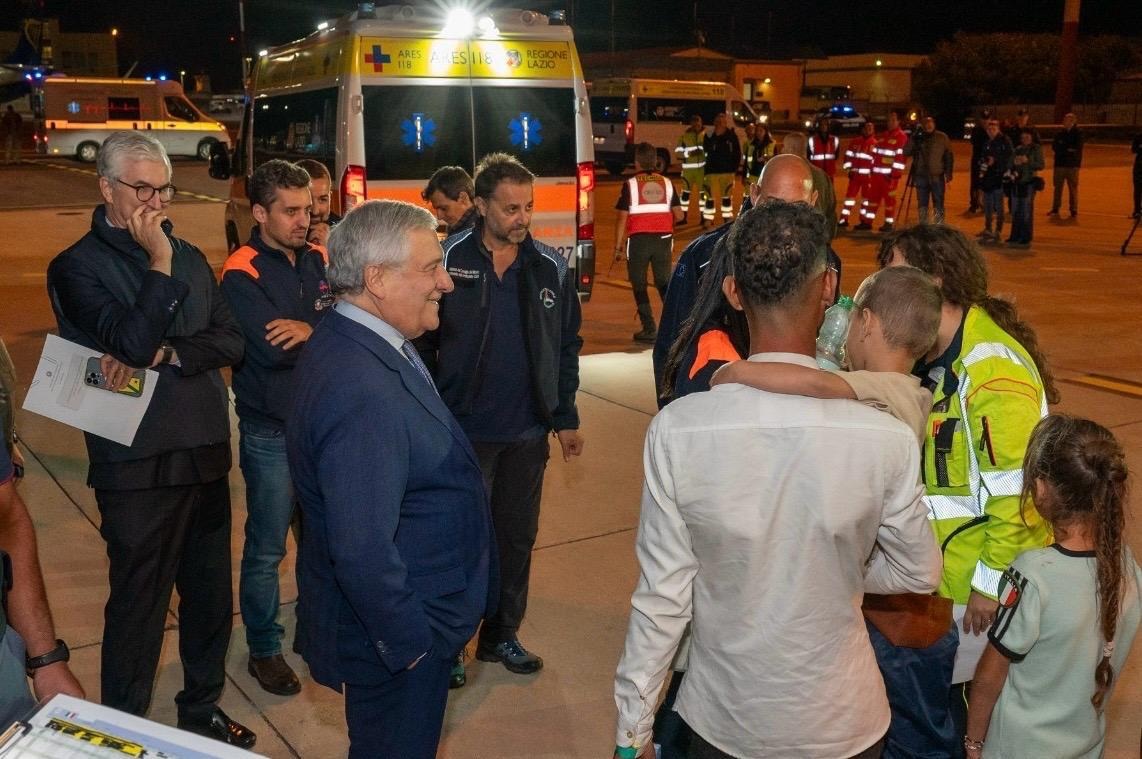
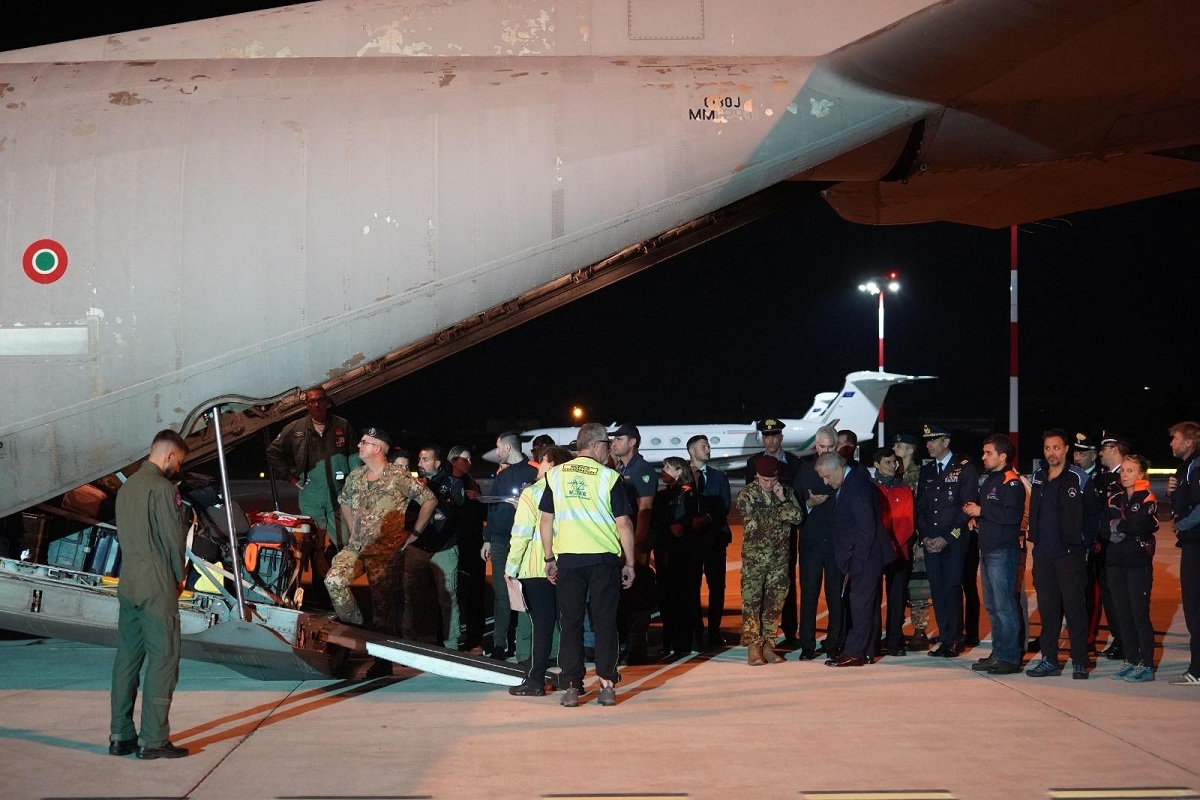
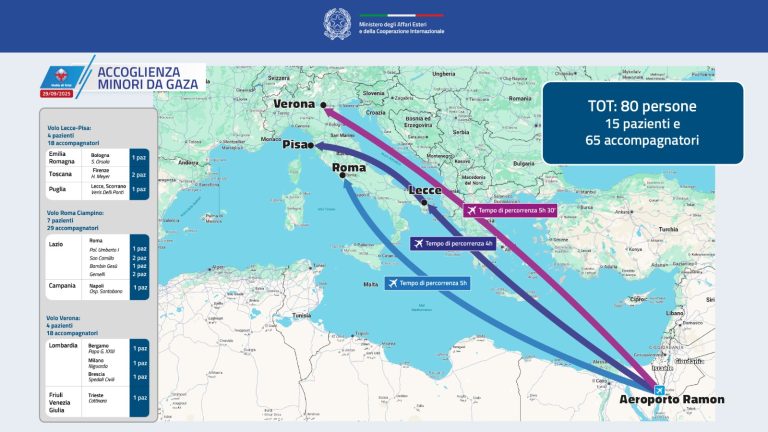
Italy has prioritised the welcome of sick Palestinian children. Medical operations have so far enabled 259 patients from Gaza to be admitted to healthcare facilities in Italy, together with their families, for a total of over 940 people.
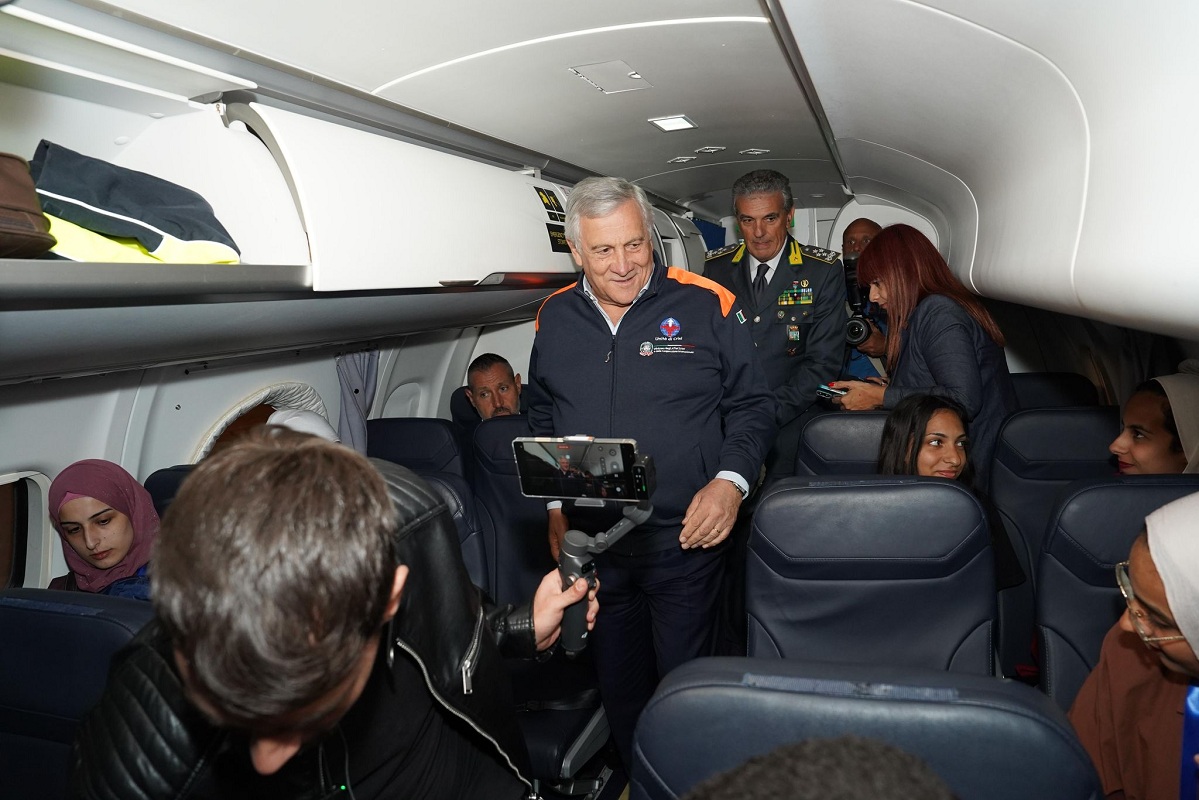
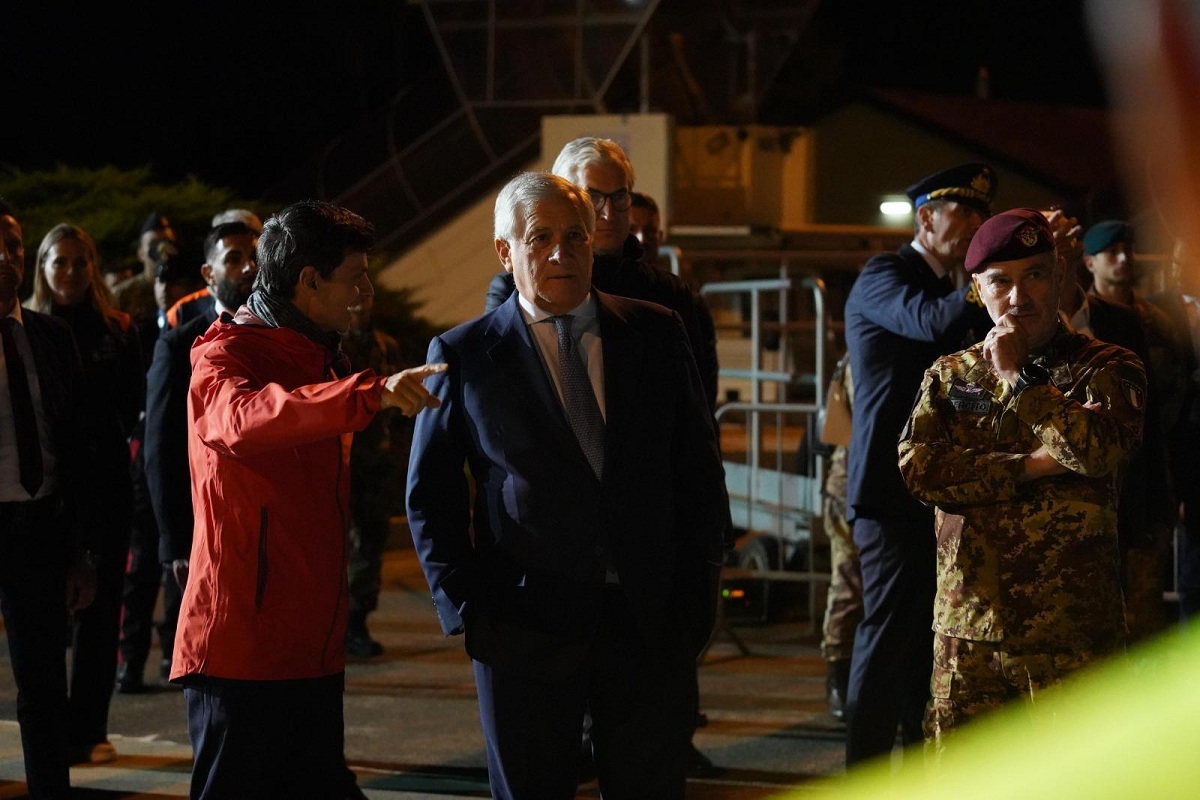
The last group of Palestinians arrived in Italy from Gaza on 9 February on three humanitarian flights to Rome, Milan and Pisa. The operation involved 26 patients, all suffering from severe congenital diseases or major injuries and amputations, together with 91 accompanying persons – 117 people in total.
Such operations were made possible thanks to the coordination of the Prime Minister’s Office, jointly with the Ministry of Foreign Affairs and International Cooperation, the Ministry of Defence, the Ministry of the Interior, and the Department of Civil Protection, in collaboration with the World Health Organization and the European Civil Protection Mechanism. The intense diplomatic activity that made these operations possible involved the Embassies of Italy in Tel Aviv and Cairo and the Consulate General in Jerusalem.
The healthcare facilities that have made themselves available for the latest operation are the Bambino Gesù Children’s Hospital, the Gemelli General Hospital, and the Umberto I General Hospital in Rome; the Santobono and dei Colli Hospitals in Naples; the Regina Margherita Hospital in Turin; the University Hospital of Padua; the San Gerardo Hospital in Monza; the ASST Niguarda in Milan; the Gaslini Institute in Genoa; and the Hospital of Perugia.
In the past, other healthcare facilities had also welcomed Palestinian patients, including: the Papa Giovanni XXIII Hospital in Bergamo; the Maggiore, Sant’Orsola, and Rizzoli Hospitals in Bologna; the Spedali Civili in Brescia; the Pineta Grande Hospital in Castel Volturno (Caserta); the Hospital of Catania; the Meyer Hospital in Florence; the Hospital of L’Aquila; Apuan Children’s Hospital in Massa; the IRCCS San Raffaele Institute for Clinical Research, the National Cancer Institute, the Vittore Buzzi Children’s Hospital, and the Milan General Hospital; the Modena General Hospital; the Cisanello Hospital in Pisa; the San Camillo Hospital in Rome; the Veris Delli Ponti Hospital in Scorrano (Lecce); the Cattinara Hospital in Trieste; the Sette Laghi Hospital in Varese; and the University Hospital of Verona.
Italy therefore confirms itself as the leading Western country – ahead of all other European countries combined – to have organized the transfer of patients from the Gaza Strip to specialized hospitals.
EDUCATIONAL PROGRAMS
The Italian Foreign Ministry, in cooperation with the Ministry of University and Research and the Conference of Italian University Rectors (CRUI), has launched the “University Corridors” initiative to enable young Palestinian scholarship holders enrolled at Italian universities to leave their country and continue their studies in Italy.
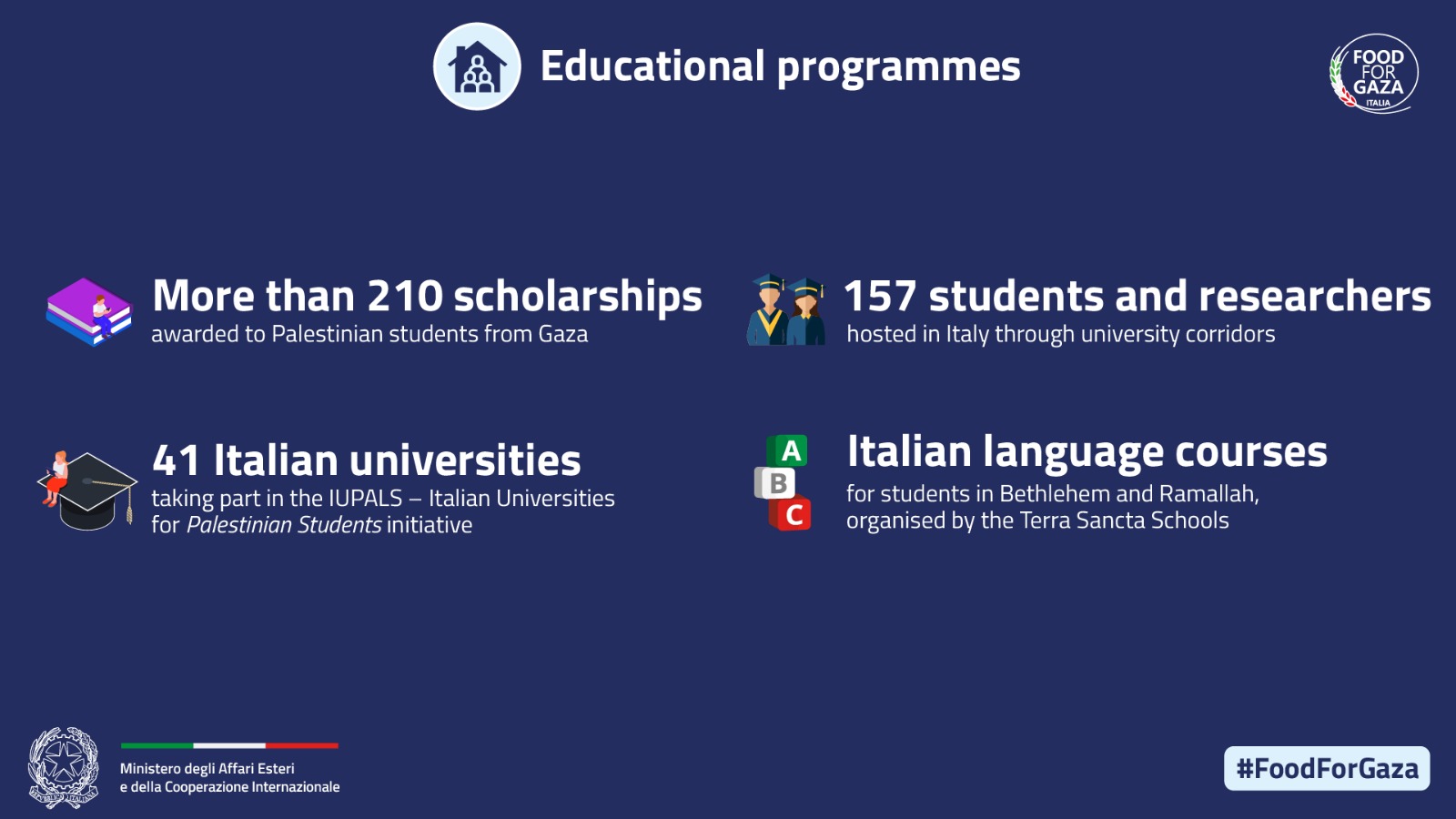
So far, 157 students and researchers have arrived in Italy as part of the reception operations carried out in recent months, coordinated by the Crisis Unit of the Italian Ministry of Foreign Affairs and International Cooperation. Several transfers were made possible thanks to special flights operated by the Guardia di Finanza (Italian Financial Police) and organised by the Civil Protection Department and the European Civil Protection Mechanism, with the support of the Conference of Italian University Rectors (CRUI).
More than thirty universities are currently involved in the initiative: the Universities of Bari, Bergamo, Brescia, Cagliari, Camerino, Catania, Ferrara, L’Aquila, Macerata, Milano-Bicocca, Milan (La Statale), Modena and Reggio Emilia, Molise, Naples (Federico II), Naples (Parthenope), Padua, Parma, Pavia, Perugia (University of Studies and University for Foreigners), Piemonte Orientale, Pisa, Rome (La Sapienza, Tor Vergata and Roma Tre), Siena, Turin (Polytechnic and University of Studies), Trieste, Tuscia, Udine, Urbino, Varese–Insubria, and Venice (Ca’ Foscari and IUAV).
This operation is the result of extensive diplomatic efforts involving the authorities of Israel and Jordan, through the work of the Embassies of Italy in Tel Aviv and Amman, as well as the Consulate General in Jerusalem. These efforts made it possible to establish a humanitarian and academic channel for students admitted to Italian universities for the newly opened academic year. Work is ongoing to facilitate the arrival of additional scholarship holders in Italy in the near future.
More than 210 scholarships have been awarded to Palestinian students from Gaza, through both regular calls of the Italian university system and the “Italian Universities for Palestinian Students” (IUPALS) project, which involves 41 Italian universities. An additional 50 scholarships have been granted to Palestinian students residing in the West Bank.
Thanks to coopeation with the Terra Sancta Schools and the John Paul II Foundation, Italy is also organising Italian language courses in Bethlehem and Ramallah.