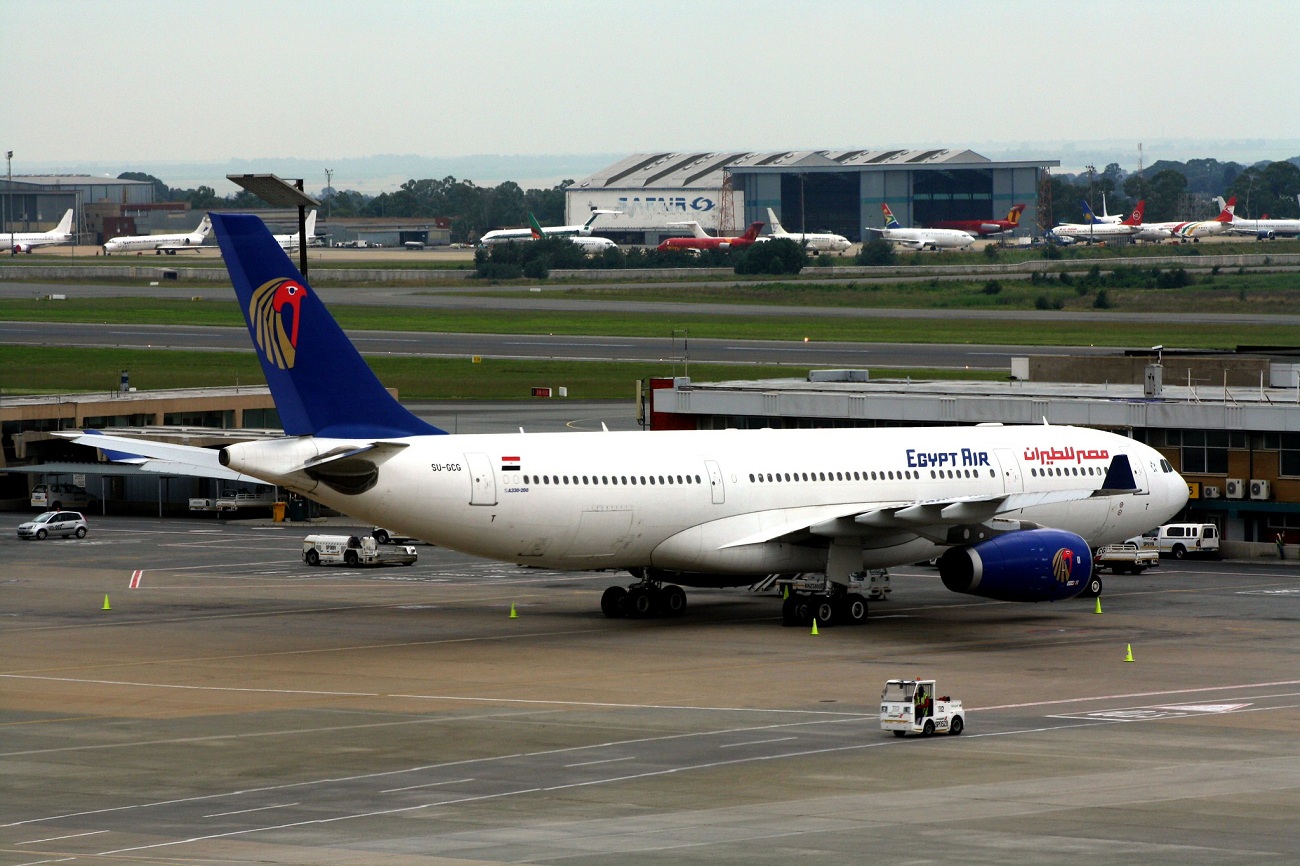
Egypt will put the management of several national airports up for tender with the aim of attracting international capital and expertise, improving the quality of services, and simultaneously generating a steady flow of hard currency revenue for the State. The chosen model involves concessions based on public-private partnerships (PPPs). With a view to developing the initiative, Egypt’s Ministry of Civil Aviation is working with the International Finance Corporation (IFC), the financial arm of the World Bank Group, as a strategic advisor.
The strategy will initially focus on several smaller airports located near tourist destinations, deemed attractive assets for the market, both because they can count on regular and reliable traffic flows and because their small size makes them relatively easy to manage. The programme’s first pilot project concerns Hurghada International Airport, one of the country’s main tourist gateways. The design and construction of a third terminal, with an estimated capacity of between 10 and 15 million passengers per year, are planned, in addition to the management of the existing Terminals 1 and 2. Together, the two current terminals cover an area of approximately 120,000 square metres and provide a total annual capacity of over 13 million passengers (7.5 million for Terminal 1, 5.5 million for Terminal 2).
The Egyptian government plans to later extend the concession model to other domestic airports, with Sharm el-Sheikh Airport as the next project in the pipeline. This, too, will be subject to an international tender process, with the aim of replicating the public-private partnership model already tested with the Hurghada project.