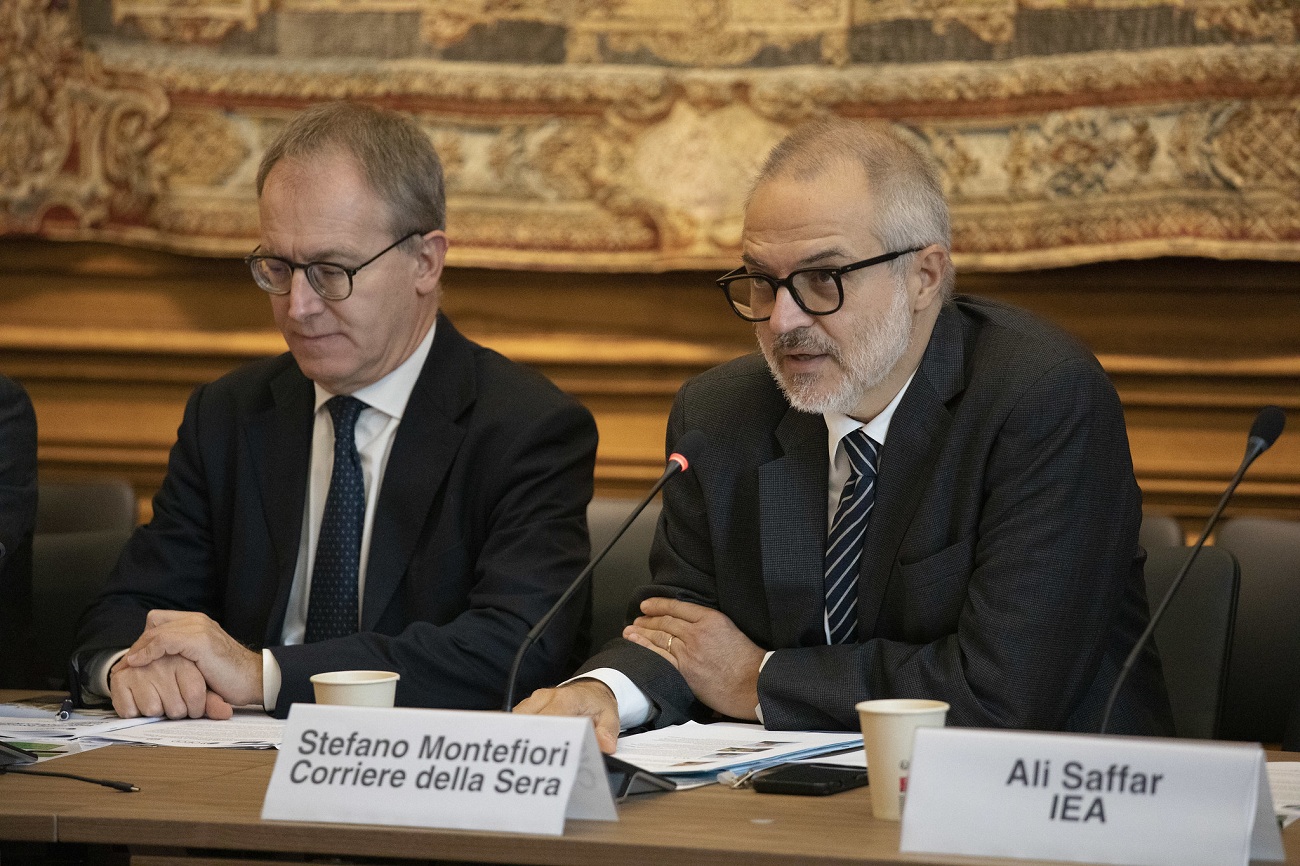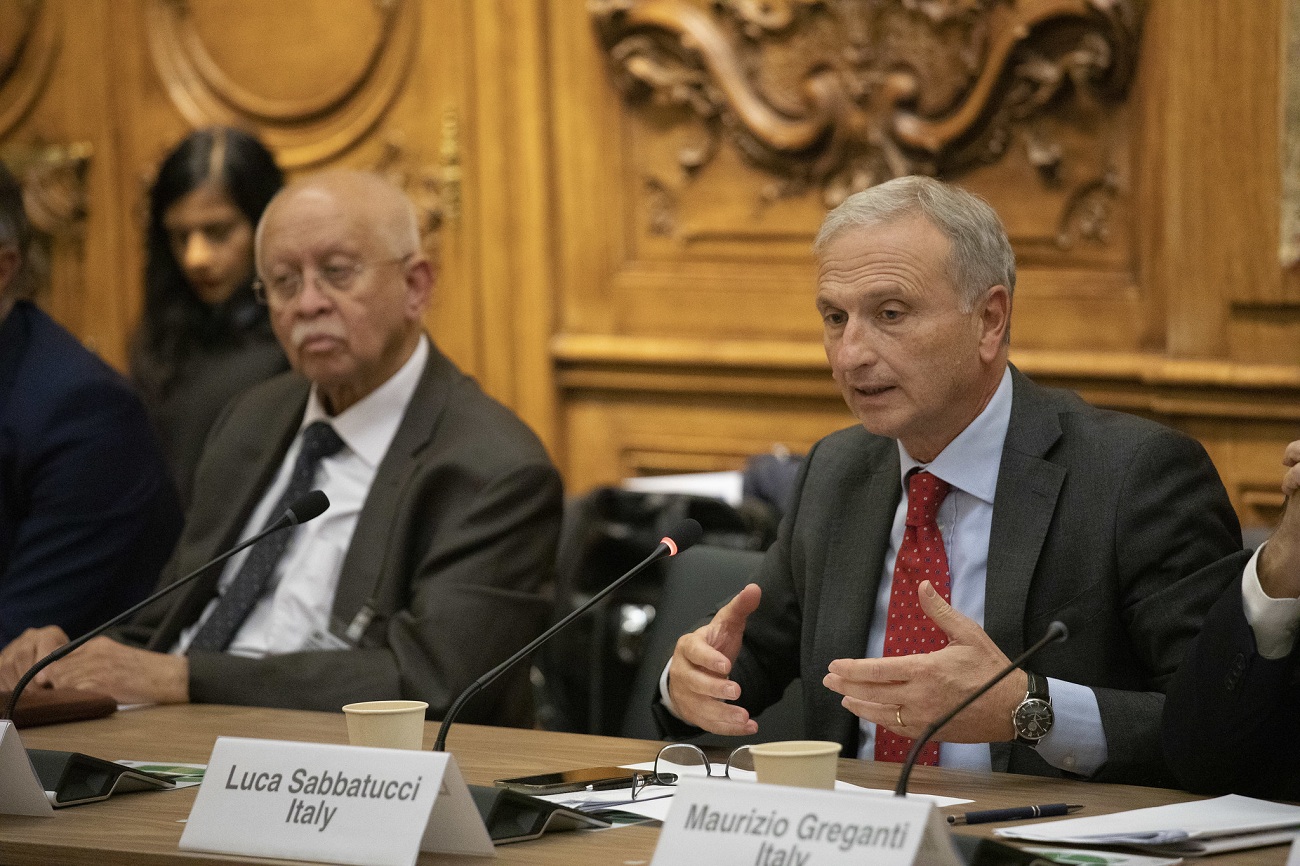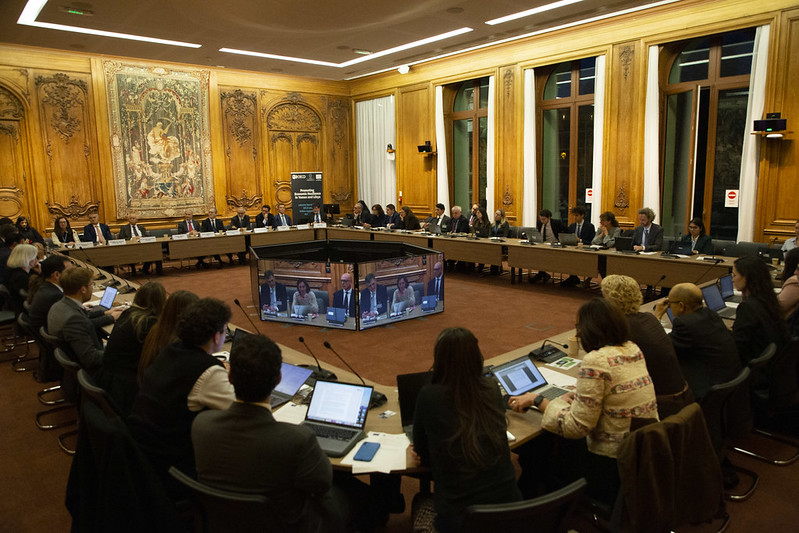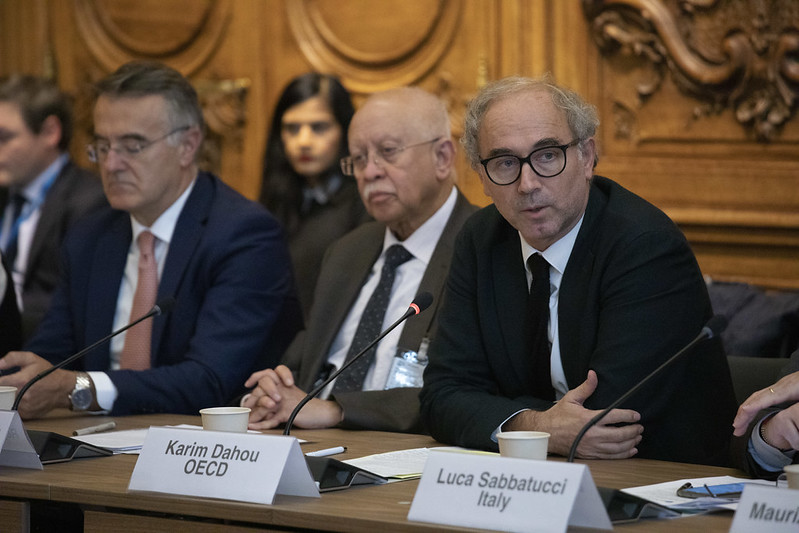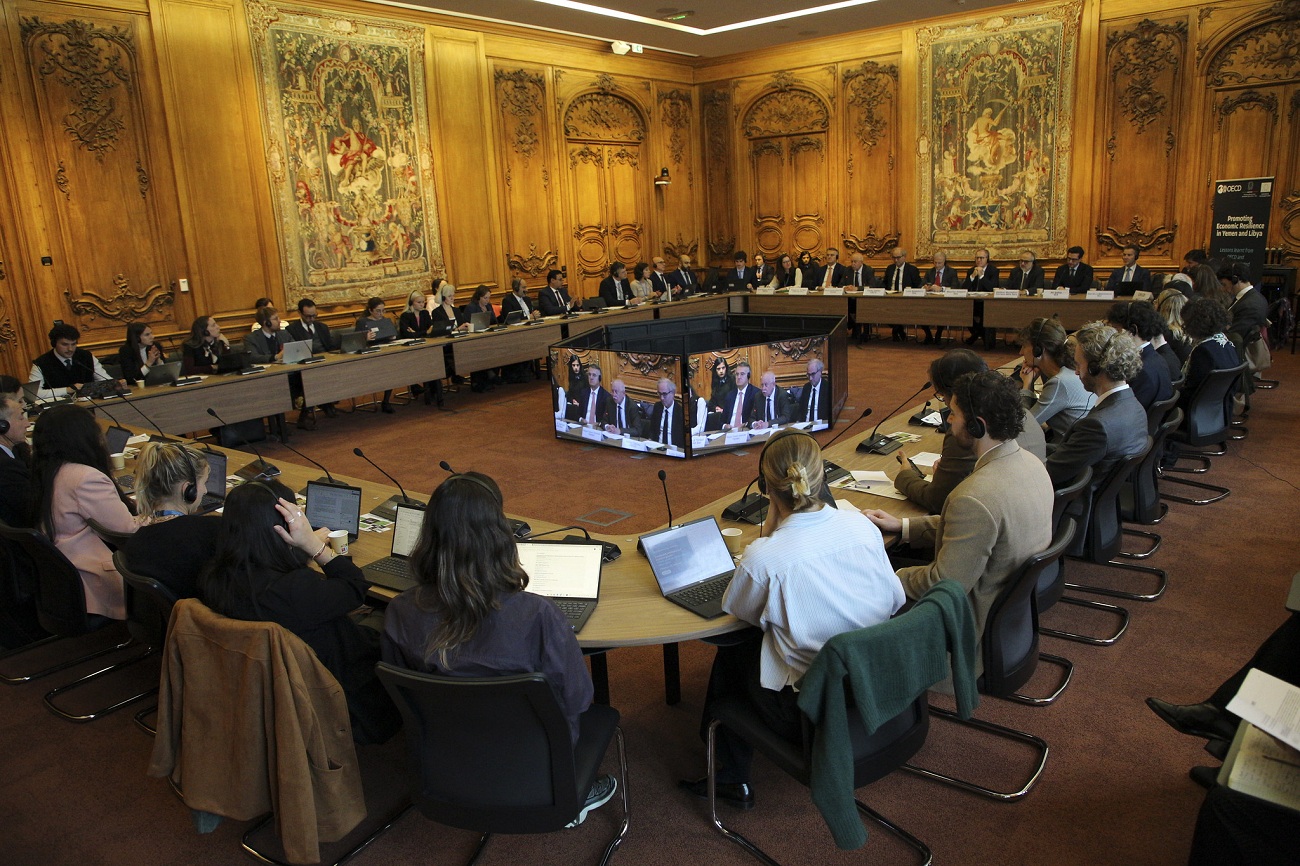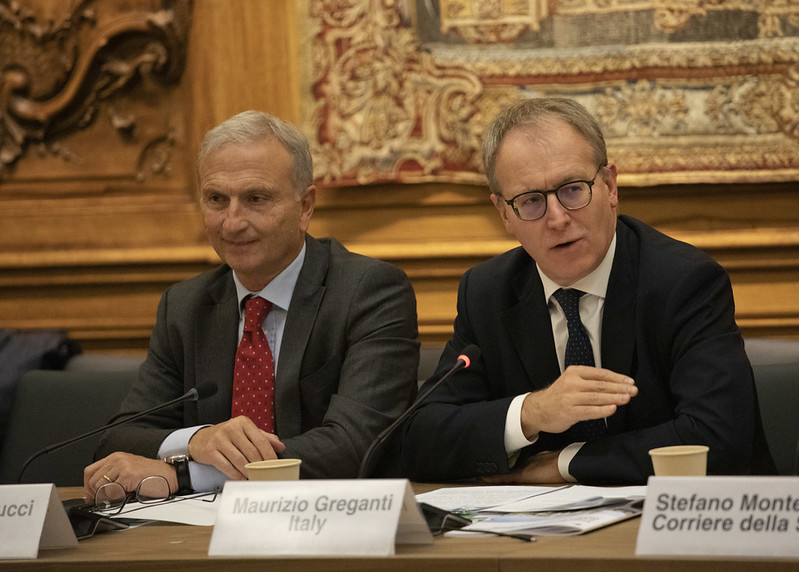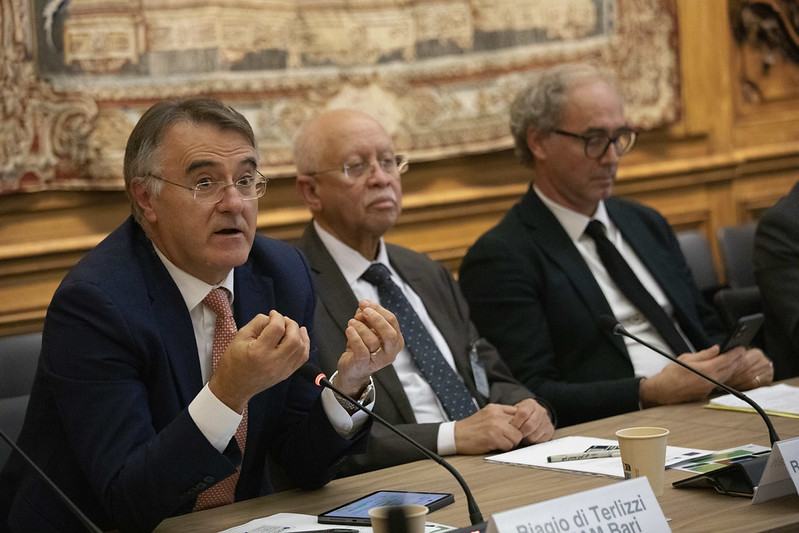
The Permanent Representation of Italy to the OECD, together with the Organisation’s Directorate for Global Relations and Co-operation (GRC), organised the event “Promoting Economic Resilience in Yemen and Libya: Lessons Learnt from OECD and Italian-Supported Actions”, dedicated to presenting the results of Italy-supported projects in Libya and Yemen. Italy was represented by Ambassador Luca Sabbatucci, Permanent Representative to the OECD, and by Maurizio Greganti, Director General for the Countries of the Mediterranean and the Middle East at the Ministry of Foreign Affairs and International Cooperation. Speakers also included Yemen’s Deputy Minister of Planning and International Cooperation, Mohammed Al-Hawri; Yemen’s Ambassador to France, Reyad Yassin Abdullah; the GRC Deputy Director, Karim Dahou; and the Director of CIHEAM-Bari, Biagio Di Terlizzi. Additional contributions were provided by the EU Delegate to the OECD, representatives of Libyan and Yemeni institutions, the International Energy Agency (IEA), and other OECD Secretariat bodies. The event was moderated by Stefano Montefiori, Paris correspondent for Corriere della Sera.
In 2024, Italy contributed EUR 350,000 to the OECD project “Promoting Public-Private Dialogue in Libya”, an initiative aimed at strengthening dialogue between Libyan public institutions and the private sector in the agri-food, banking and financial services, ICT, transport and logistics sectors. A second Italian contribution, totalling EUR 500,000, supports a project to enhance Yemen’s food and energy security, through the training of 50 Yemeni officials and the provision of technical assistance by specialised institutions, in cooperation with the OECD Public Governance Training Centre in Caserta, CIHEAM-Bari and the International Energy Agency.
In his address, Ambassador Sabbatucci underscored the strategic importance of both Libya and Yemen for the stability of the broader region—an aspect with direct implications for Italy. He recalled that, with this in mind, Italy has chosen to draw on the OECD’s expertise—alongside efforts conducted in other fora—to promote economic resilience in both countries through targeted interventions designed to strengthen the skills of key actors in their economic development. Director Greganti, outlining the key priorities of Italy’s foreign policy in North Africa and the Middle East, emphasised its dual approach: a short-term component to address immediate crises in the region, and a long-term perspective to identify stable and sustainable solutions. He further reaffirmed the OECD’s role in this framework, thanks to its recognised expertise in crucial areas such as capacity building and the promotion of public-private partnership initiatives.